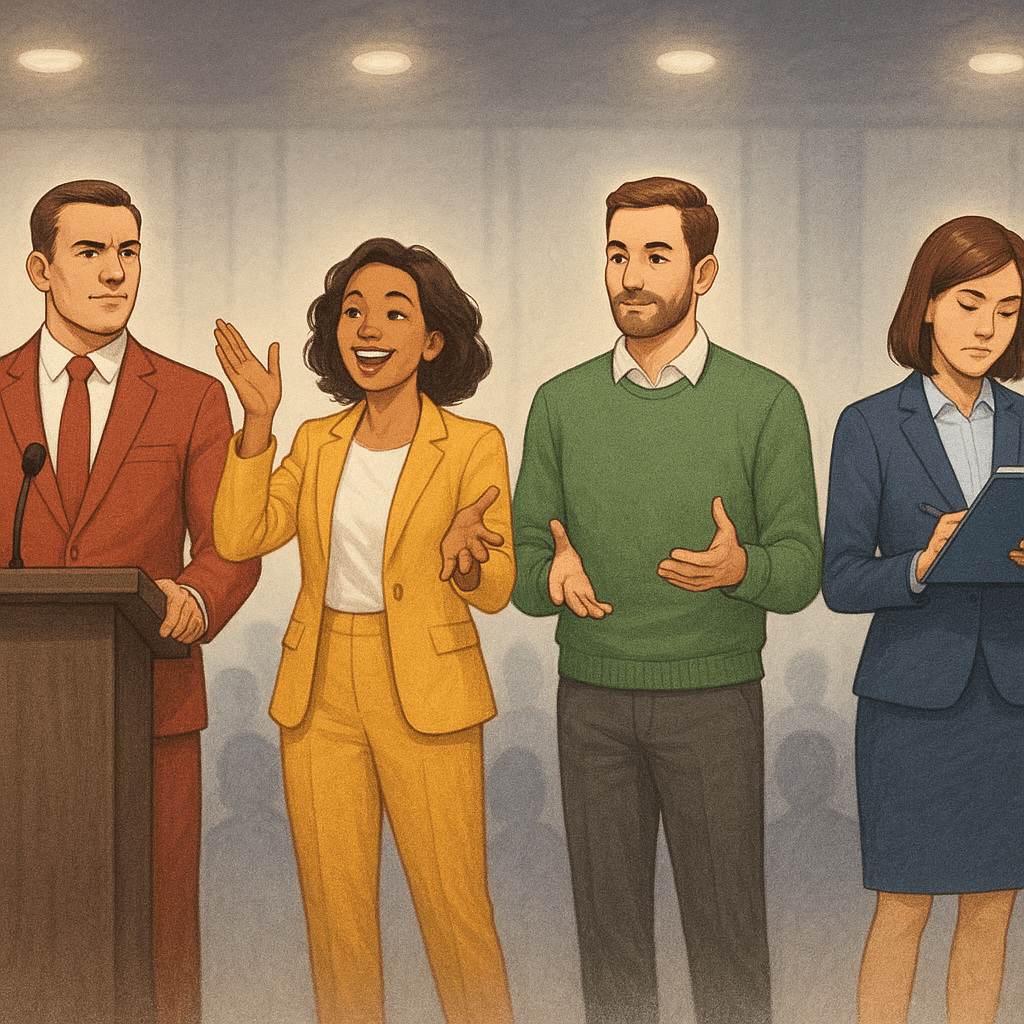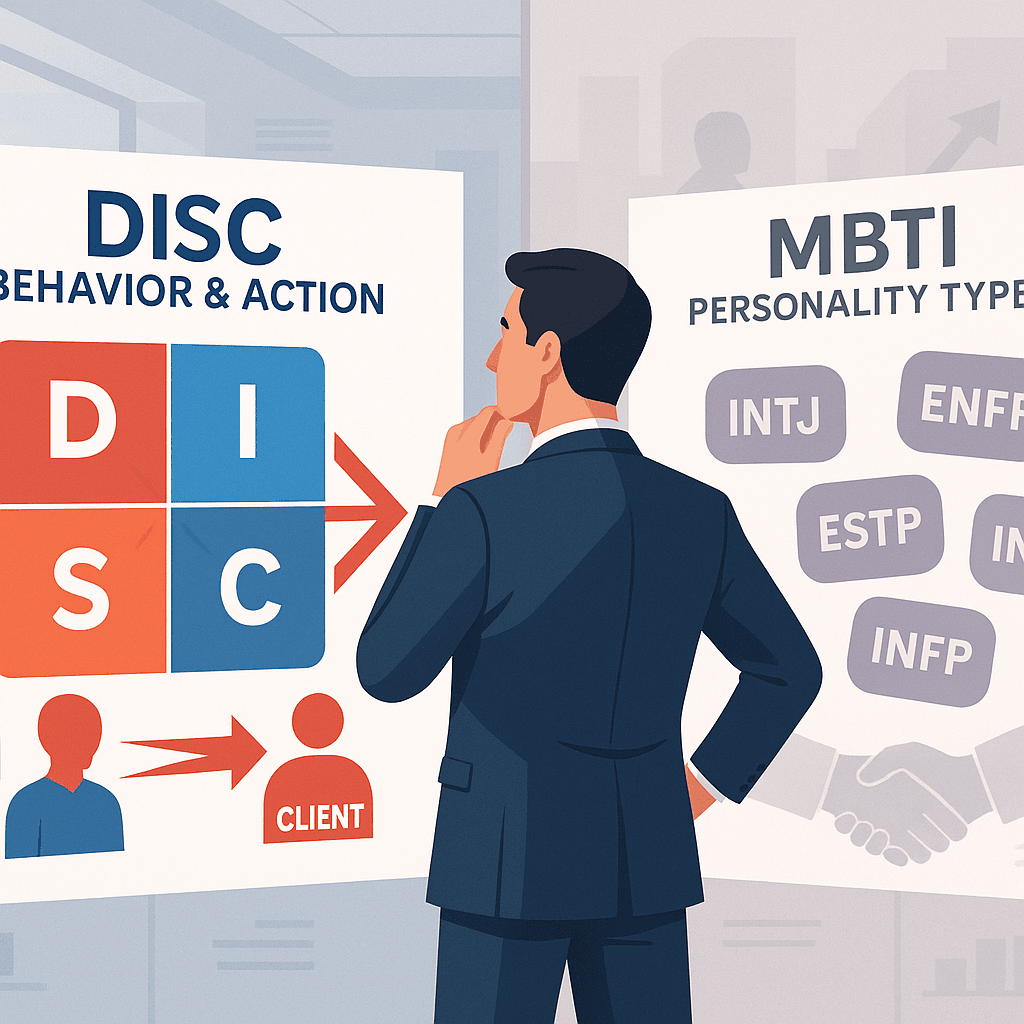
Featured image for Why We Group People into Types: The History of Psychometrics

Why We Group People into Types: The History of Psychometrics

People love labels. Always have. The quiet one. The leader. The rebel. The sensitive soul. Walk into any office, classroom, or family dinner and you’ll hear it - subtle sorting, silent categorizing, mental sticky notes placed on foreheads. But why do we do it? Why this deep, almost instinctive need to group people into types? It’s not just social gossip. It’s history. It’s psychology. It’s survival. And if you ask me, it’s one of the most fascinating parts of being human. Let’s dig in. The Anc

Yaro Pry's avatarYaro Pry··4 min read
Featured image for How Social Media Affects Our Self-Perception

How Social Media Affects Our Self-Perception

Scroll. Tap. Like. Repeat. That tiny glowing screen has become a mirror - but not the honest kind hanging in a quiet bedroom. It’s more like a carnival mirror, bending and stretching identity in ways that feel subtle at first… until they’re not. Social platforms have reshaped how people see themselves. Not just how they present their lives, but how they interpret their value, success, beauty, intelligence, and even personality traits. If you ask me, this shift happened faster than most of us wer

Yaro Pry's avatarYaro Pry··5 min read
Featured image for The Psychology of Loneliness in an Extraverted World

The Psychology of Loneliness in an Extraverted World

The world feels louder than ever. Coffee shops buzz. Social feeds never sleep. Group chats multiply like rabbits. Everywhere he looks, someone is networking, posting, laughing in filtered photos. It’s a culture that celebrates charisma, rewards visibility, and quietly suggests that the more connected a person appears, the more fulfilled they must be. But here’s the uncomfortable truth - being surrounded by noise doesn’t guarantee genuine connection. The psychology of loneliness in an extraver

Yaro Pry's avatarYaro Pry··5 min read
Featured image for Why Do We Procrastinate? A Motivation Level Analysis

Why Do We Procrastinate? A Motivation Level Analysis

Procrastination gets a bad reputation. It’s painted as laziness, poor discipline, or a lack of ambition. But that explanation feels thin, doesn’t it? If it were just about being lazy, then highly driven, intelligent, wildly capable people wouldn’t struggle with it. Yet they do. Here’s the uncomfortable truth - procrastination isn’t a time problem. It’s a motivation problem. And once someone starts looking at it through that lens, things shift. Dramatically. Procrastination Isn’t About Time Man

Yaro Pry's avatarYaro Pry··4 min read
Featured image for The Science of Charisma: Is It In Your Personality?

The Science of Charisma: Is It In Your Personality?

Charisma is one of those slippery words people toss around like confetti. "She just has it." "He walks into a room and owns it." But what is it, exactly? Magic? Confidence? A deep voice and good posture? Here’s a hot take - charisma isn’t fairy dust. It’s psychology. Patterns. Traits. Emotional signals firing in just the right way. And the real question isn’t whether charisma exists. It’s this: is it already wired into your personality? What Is Charisma, Really? Most people think charisma equ

Yaro Pry's avatarYaro Pry··5 min read
Featured image for Why Some People Crave Power More Than Others

Why Some People Crave Power More Than Others

Power. It’s a loaded word, isn’t it? For some, it sparks ambition and drive. For others, it raises eyebrows - or red flags. Yet the hunger for influence isn’t evenly distributed. Some people quietly lead from the background. Others feel an almost magnetic pull toward control, status, and authority. So what’s going on beneath the surface? Why do certain individuals crave power more intensely than others? Let’s dig in. The Psychology Behind the Desire for Power At its core, the desire for power

Yaro Pry's avatarYaro Pry··5 min read