How Your Personality Affects Your Spending Habits
 Yaro Pry··5 min read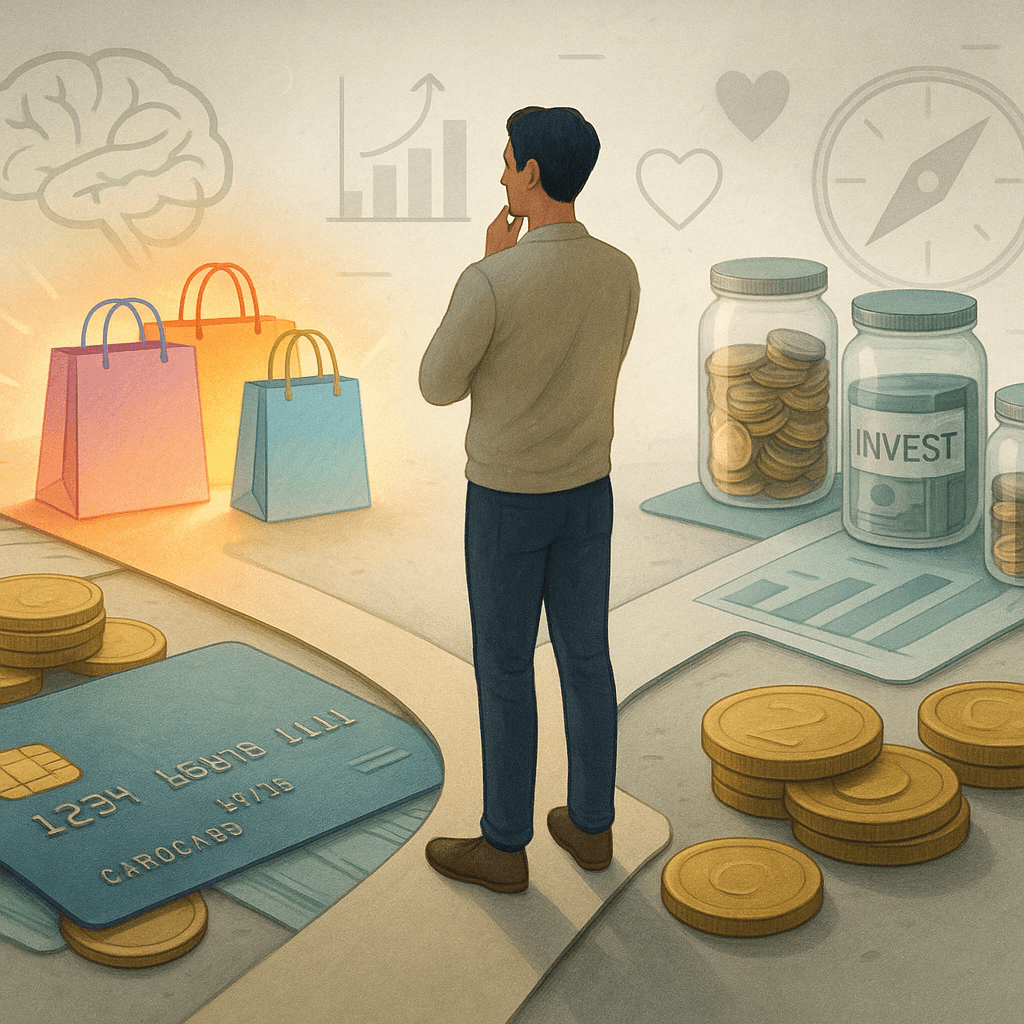
Money is rarely just about money. It is emotion. Identity. Security. Status. Freedom. Sometimes even rebellion wrapped in a price tag. People love to blame their bank account on math. Bad budgeting. Rising costs. A weak month. But if someone looks closely - really closely - the patterns usually trace back to something deeper. Personality. The way someone thinks, feels, reacts, and processes the world quietly shapes how they swipe a card, click “buy now,” or walk away from a sale. Spending habits are less about numbers and more about wiring. So the real question becomes: is personality running the wallet? Short answer? Yes. ## The Psychology Behind Spending Habits Financial behavior isn’t random. It’s predictable in the same way weather patterns are predictable. There are pressures, systems, internal climates. Modern psychology identifies consistent personality traits that influence how individuals make decisions. Tools grounded in research - like the assessment offered at lifematika.com - analyze these patterns using eight established psychological models. That matters. Because when someone understands their personality blueprint, spending stops feeling mysterious. It starts making sense. ### The Big Five and Your Wallet One of the most studied frameworks is OCEAN, also called the Big Five personality traits. Each dimension influences financial choices differently. Here’s how it plays out: - **Openness to Experience**: High scorers often spend on travel, art, tech, courses, and anything new. They value novelty. Predictable purchases bore them. - **Conscientiousness**: These individuals usually budget carefully. They plan. They compare prices. They feel genuine satisfaction from saving. - **Extraversion**: Social experiences, dining out, events, group trips - these expenses add up quickly. - **Agreeableness**: Generous by nature. They may overspend on gifts or struggle to say no to shared costs. - **Neuroticism**: Emotional spending is common. Stress shopping becomes a coping mechanism. Sounds simple, right? It isn’t. Because no one scores high or low in just one trait. It’s the combination that creates unique spending DNA. ## Impulse Buying vs. Strategic Investing Have you ever wondered why some people research a blender for three weeks while others buy it in three minutes? That gap is personality in action. ### Jungian Typology and Decision Speed Jungian cognitive functions explain how individuals process information and make choices. - Intuitive types focus on possibilities. They imagine how a product fits into their future. - Sensing types examine details. Specs matter. Reviews matter. - Thinking types prioritize logic and cost efficiency. - Feeling types prioritize emotional value and harmony. Someone driven by feeling may justify an expensive dinner because it “creates memories.” A thinking-dominant person might calculate cost per hour of enjoyment. Neither is wrong. But both are predictable. ## DISC Styles and Spending Patterns DISC assessment categorizes behavior into Dominance, Influence, Steadiness, and Conscientiousness. These styles quietly shape financial habits. 1. **Dominance (D)** - Fast decisions. Higher risk tolerance. Comfortable investing aggressively. 2. **Influence (I)** - Spends socially. Image-conscious. Prone to impulse buys in exciting environments. 3. **Steadiness (S)** - Prefers stable, predictable expenses. Avoids risky financial moves. 4. **Conscientiousness (C)** - Research-driven. Analytical. Likely to compare ten options before purchasing one. If someone constantly regrets impulse purchases, their behavioral style may explain why. Awareness changes the game. ## Emotional Intelligence and Financial Control Here’s a hot take: budgeting apps don’t fix emotional spending. Emotional intelligence does. When individuals struggle to identify what they’re feeling, they often outsource regulation to consumption. Stress becomes online shopping. Loneliness turns into subscription services. Frustration morphs into late-night takeout. Emotional intelligence measures the ability to: - Recognize emotions - Regulate impulses - Delay gratification - Evaluate consequences calmly Without these skills, financial goals collapse under pressure. With them, restraint feels less like deprivation and more like strategy. ## Core Values Drive Financial Priorities Schwartz’s Theory of Basic Values highlights something powerful - spending reflects what people believe matters most. If someone prioritizes achievement, they may invest in career advancement. If they value security, they build savings. If stimulation ranks high, they chase experiences. Money flows toward values like water flows downhill. Trying to force different spending behavior without understanding values is like swimming upstream. Exhausting. Temporary. ## Motivation Levels and Long-Term Wealth Self-Determination Theory separates intrinsic motivation from external pressure. People who save because they genuinely value financial independence sustain the habit. Those who save because they feel judged rarely stick with it. Motivation determines durability. That’s why personality assessments grounded in science, such as the one provided by lifematika.com, go deeper than surface-level traits. They explore intrinsic drivers, character strengths, and behavioral tendencies in one streamlined 95-question format. Fifteen minutes. Instant results. No registration required. And yes - users can retake it anytime to track changes after major life events. Because personality isn’t static. It evolves. ## The Hidden Link Between Character Strengths and Wealth The VIA Character Strengths model identifies qualities like perseverance, prudence, creativity, and self-regulation. Think about it. - High perseverance supports long-term investing. - Strong prudence encourages cautious budgeting. - Creativity may lead to entrepreneurial ventures. - Low self-regulation increases impulsive purchases. Financial success isn’t only knowledge. It’s behavioral consistency. And consistency lives in character. ## Why Awareness Changes Spending Habits Most people attempt to fix money problems externally. New spreadsheet. New rule. New promise. But external systems collapse when internal patterns remain untouched. Personality insight works differently. It provides: - Clarity about triggers - Understanding of emotional spending cycles - Recognition of risk tolerance - Awareness of value alignment - Practical recommendations tailored to behavioral style It’s like switching on a light in a cluttered room. Suddenly the obstacles aren’t random anymore. They were always there. Just unseen. ## Can Personality Predict Financial Success? Predict? Not perfectly. Influence? Absolutely. Research consistently shows conscientiousness correlates with higher savings rates. Emotional stability links to lower debt. Delayed gratification predicts investment growth. But here’s the nuance. No single personality type guarantees wealth. Extroverts can thrive. Introverts can build empires. Analytical thinkers and intuitive visionaries both succeed. The key isn’t changing personality. It’s working with it. Someone high in openness might automate savings so spontaneity doesn’t sabotage goals. A high-D personality might channel risk tolerance into calculated investments instead of reckless spending. Strategy aligned with personality feels natural. Forced strategy feels like punishment. ## Practical Steps to Align Personality and Spending For readers wondering where to begin, here’s a grounded approach: ### 1. Identify Personality Patterns Take a scientifically grounded assessment that integrates multiple models for a holistic view. ### 2. Analyze Spending Triggers Notice emotional states before purchases. Stress? Celebration? Boredom? ### 3. Align Financial Goals With Core Values If freedom ranks high, focus on passive income. If community matters most, budget intentionally for shared experiences. ### 4. Design Systems That Match Behavioral Style - Impulsive tendencies? Use 24-hour purchase rules. - Highly analytical? Schedule research time to prevent decision fatigue. - Social spender? Create a monthly experience fund. ### 5. Reevaluate After Major Life Events Career shifts, relationships, relocations - personality expression shifts too. Reassessment keeps strategy aligned. Growth demands recalibration. ## The Bottom Line on Personality and Money Spending habits aren’t flaws. They’re signals. Signals of temperament. Motivation. Emotional regulation. Values. Behavioral style. When people treat financial behavior as a moral failing, shame creeps in. Shame blocks growth. When they treat it as data, patterns emerge. And patterns can be optimized. Understanding personality isn’t indulgent self-reflection. It’s strategic self-awareness. Money, after all, amplifies who someone already is. Generous people give more. Anxious people hoard. Adventurous people explore. The wallet is a mirror. The real power comes from knowing what it reflects. And once someone understands that reflection, spending stops being chaotic. It becomes intentional. Designed. Aligned. Which raises one final question. If personality already shapes every financial decision, wouldn’t it make sense to actually understand it?