Building a Productive Workspace Based on Your Personality
 Yaro Pry··4 min read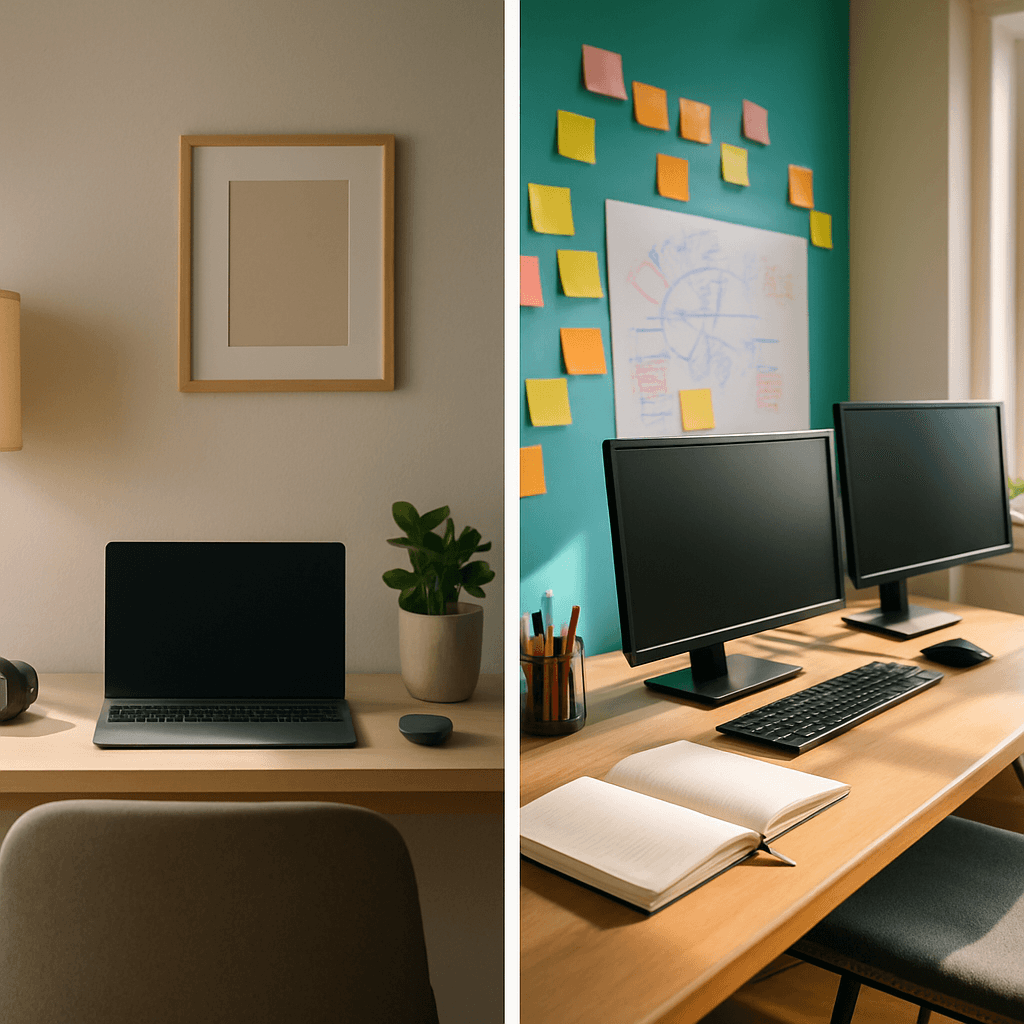
Productivity advice is everywhere. Minimalist desks. Standing setups. Color-coded planners. Morning routines that start at 5 a.m. sharp. And yet - what works brilliantly for one person feels like a slow drain for another. Here’s the truth people don’t say loudly enough: there is no universal "perfect workspace." There’s only the workspace that aligns with someone’s personality. When a workspace matches how a person naturally thinks, focuses, and recharges, work stops feeling like pushing a boulder uphill. It starts flowing. Not magically. Not effortlessly. But smoothly - like a well-oiled machine. So how does someone actually build a productive workspace based on personality? Let’s break it down.
Why Personality Matters for Productivity
Have you ever wondered why some people thrive in buzzing coffee shops while others need monastery-level silence? It’s not discipline. It’s wiring. Personality shapes:
- Focus patterns
- Energy cycles
- Decision-making styles
- Reaction to noise and clutter
- Motivation triggers
Ignoring personality when designing a workspace is like buying shoes without checking the size. They might look good. They might even be expensive. But they’ll hurt after a while. That’s where structured self-discovery becomes powerful. Platforms like lifematika.com analyze personality using eight respected psychological models - from the Big Five to Emotional Intelligence frameworks - and translate them into practical insights. Not vague labels. Real patterns. And patterns matter.
Step One - Understand Your Core Traits
Before rearranging furniture or buying noise-canceling headphones, a person needs clarity. Who are they when they work best? Lifematika’s 95-question assessment takes around 15 minutes and delivers an instant report - no registration required. That alone removes friction. The analysis draws from:
- OCEAN (Big Five personality traits)
- Jungian cognitive styles
- DISC behavior mapping
- VIA character strengths
- Self-Determination Theory
- Schwartz’s value system
- Emotional Intelligence metrics
- Motivational level insights
Sounds complex? It is. But the output feels surprisingly practical. Once someone understands whether they lean toward introversion or extraversion, high conscientiousness or spontaneous creativity, the workspace design becomes strategic instead of random.
Designing a Workspace for Introverts vs. Extraverts
For Introverts
Introverts recharge in quiet. Noise is not just distracting - it’s exhausting. A productive workspace for an introverted personality often includes:
- Minimal visual clutter
- Soft, neutral colors
- Noise control - thick curtains, rugs, or headphones
- Clearly defined personal space
- Limited interruptions
Think of it as a sanctuary. A focused bubble. Too much stimulation? Cognitive overload happens fast.
For Extraverts
Extraverts feed off interaction. Energy rises around people. Their ideal workspace may include:
- Collaborative zones
- Open layouts
- Background ambiance - light music or café noise
- Whiteboards for spontaneous brainstorming
- Easy access to conversation
Silence can feel heavy to them. Almost suffocating. See the contrast? Same goal - productivity. Totally different environments.
Conscientious vs. Creative Personalities
Some individuals crave structure. Others resist it instinctively.
High Conscientiousness
These people thrive with:
- Clearly labeled storage
- Daily planning boards
- Task batching systems
- Time-blocking schedules
- Minimal distractions
Order feels calming. Predictability equals control.
High Openness and Creativity
Creative thinkers often need controlled chaos. Bullet journals next to sketchbooks. Sticky notes. Inspiration walls. Flexible seating. If forced into rigid systems, their productivity dips. Not because they’re lazy - because creativity suffocates under excessive structure. A workspace for them should allow movement, experimentation, and visible idea capture.
The Role of Motivation in Workspace Design
Here’s a hot take: motivation style matters more than furniture. Self-Determination Theory identifies three core drivers - autonomy, competence, and relatedness. Lifematika measures these patterns within its comprehensive report. If autonomy fuels someone, they need:
- Control over layout
- Flexible scheduling
- Personalized aesthetics
If competence drives them:
- Progress trackers
- Skill-building tools nearby
- Clear performance metrics
If relatedness is central:
- Shared workspaces
- Video call setups
- Community boards or shared calendars
It’s like tuning a radio. Slight adjustments make the signal clear.
Emotional Intelligence and Workspace Energy
Emotional intelligence influences how a person handles stress and interpersonal dynamics. Someone high in emotional sensitivity might benefit from:
- Warm lighting instead of harsh fluorescents
- Comfort textures
- Private decompression space
Meanwhile, individuals strong in emotional regulation can handle dynamic, high-stimulus settings more easily. Workspace energy isn’t abstract. It’s physiological. Lighting changes cortisol. Noise affects heart rate. Clutter increases cognitive load. Ignoring these factors is like ignoring weather while planning a picnic.
Values Shape Environment Choices
Schwartz’s value theory highlights how deeply personal priorities guide decisions. If someone values achievement, their workspace might display awards, certifications, visible goals. If they prioritize benevolence, they may incorporate family photos or shared project boards. If stimulation ranks high, bold colors and dynamic layouts feel energizing. Values are invisible architects.
How to Build Your Personality-Based Workspace - Step by Step
Let’s make this actionable.
- Take a structured personality assessment. Start with a scientifically grounded tool like lifematika.com. It’s free to begin, takes about 15 minutes, and provides immediate insights.
- Identify your top three traits. Look for patterns - introversion, high openness, strong autonomy drive.
- Audit your current setup. What drains you? What energizes you?
- Remove mismatches first. Eliminate noise, clutter, or rigidity that conflicts with your natural tendencies.
- Add supportive elements gradually. Lighting, layout shifts, collaboration tools.
- Reassess after major life changes. Lifematika allows unlimited retakes to track evolution over time.
Simple steps. Big impact.
Privacy and Practicality Matter
Some people hesitate when they hear "psychometric analysis." Understandable. Lifematika emphasizes full confidentiality. Data is used solely to generate personal reports. No mandatory registration. Cross-platform access on desktop, tablet, mobile. Convenience reduces friction. Friction kills follow-through. And with over 1,000 users already exploring their behavioral patterns, the traction suggests something important - people are hungry for structured self-understanding.
The Workspace Is a Mirror
A desk setup is not just furniture. It’s a reflection of cognition. When someone forces themselves into a productivity template that clashes with their psychological makeup, burnout creeps in quietly. But when workspace design aligns with personality traits, work feels less like resistance and more like rhythm. Not effortless. Not perfect. Aligned. So before buying another planner or reorganizing shelves for the tenth time, pause. Ask a better question. Who is this workspace actually for? Once that answer becomes clear - through reflection or a structured platform like lifematika.com - building a productive workspace stops being guesswork. It becomes strategy. And strategy beats hacks every single time.