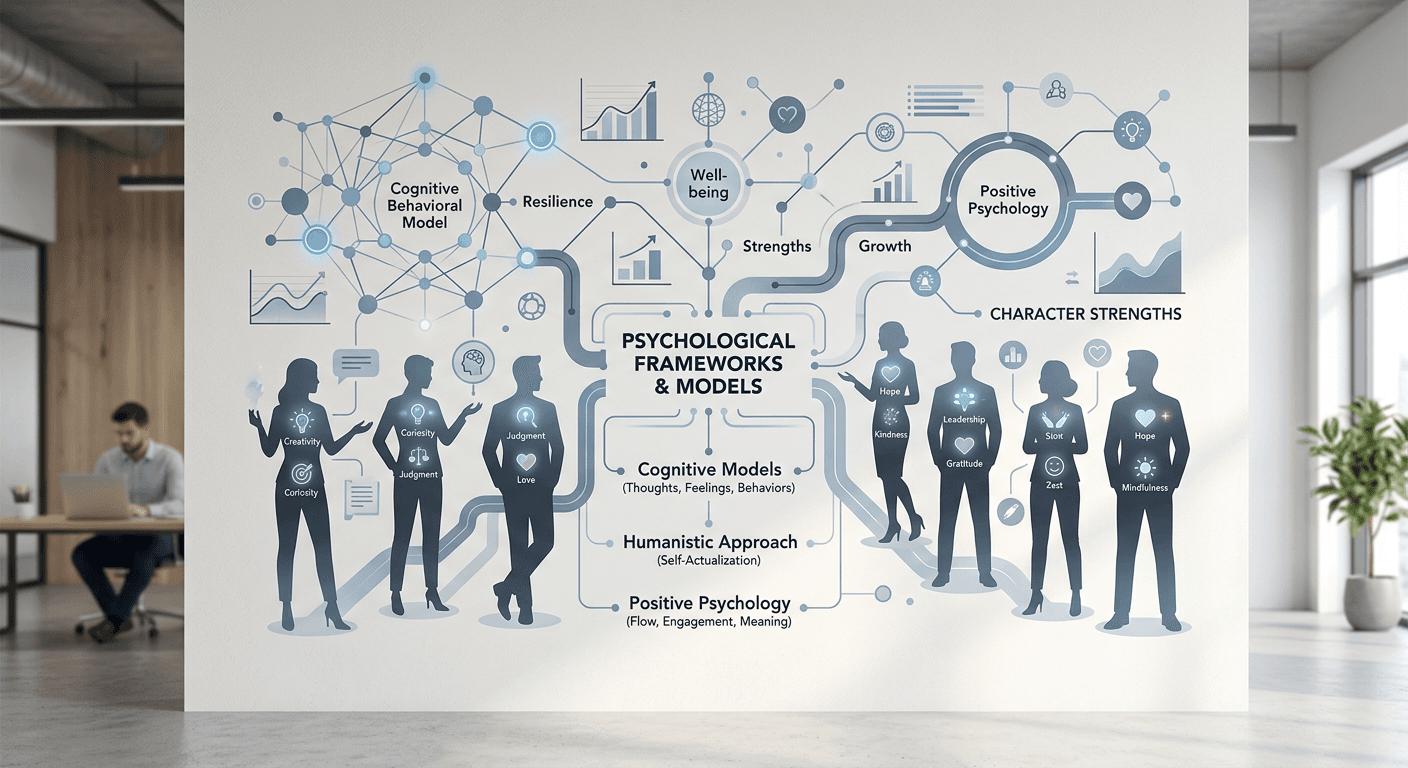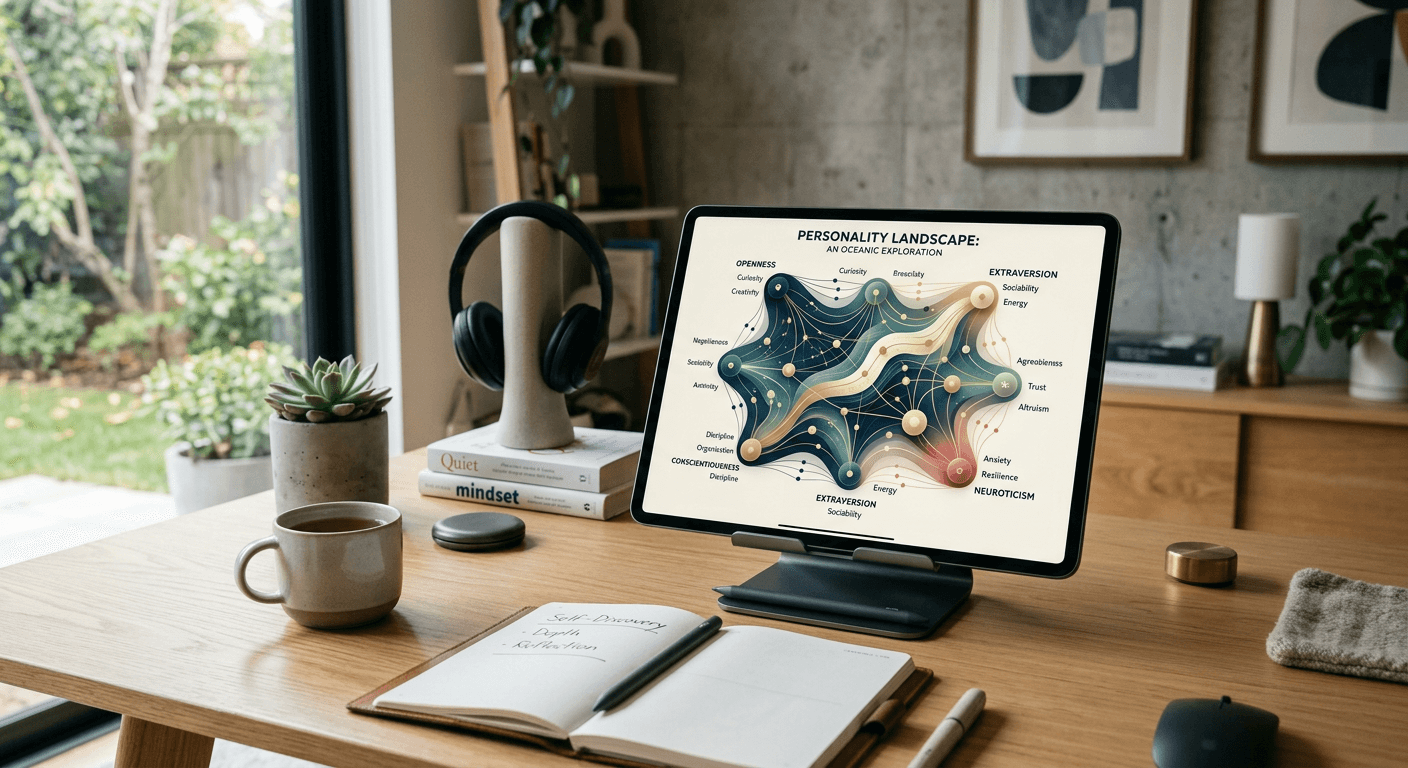
Featured image for Jungian Typology and the Search for Meaning

Jungian Typology and the Search for Meaning

There is a quiet question that follows people around like a shadow: Who am I, really? Not the job title. Not the curated bio. Not the version polished for social media. The real blueprint underneath it all. Jungian typology has been circling that question for nearly a century. And if you ask many psychologists - and plenty of curious late-night thinkers - it still offers one of the most compelling maps for self-discovery. But here’s the thing. Jungian typology isn’t just about labeling yoursel

Yaro Pry's avatarYaro Pry··5 min read
Featured image for Are You a "Perceiving" Type? How to Stay Organized

Are You a "Perceiving" Type? How to Stay Organized

Some people treat their calendar like a sacred contract. Others treat it like... a suggestion. If the second group feels uncomfortably familiar, there’s a good chance this person leans toward a Perceiving personality type. And no - that doesn’t mean messy, irresponsible, or chaotic. It means flexible. Adaptive. Open-ended. But here’s the catch: the modern world rewards structure. Deadlines. Systems. Predictability. So how does a Perceiving type stay organized without feeling trapped? Let’s unpac

Yaro Pry's avatarYaro Pry··4 min read
Featured image for Are You a "Judging" Type? How to Stay Flexible

Are You a "Judging" Type? How to Stay Flexible

Some people love a plan. A real plan. Color-coded calendar. Clear deadlines. Decision made, sealed, done. Others? They’d rather keep options open, see how things unfold, maybe decide tomorrow. If this sounds familiar, here’s the big question - are you a "Judging" type? And if you are… does that mean you’re rigid? Not exactly. But it does mean structure probably feels like oxygen. And flexibility? Well. That can feel like someone quietly moving the furniture in your house while you’re still l

Yaro Pry's avatarYaro Pry··4 min read
Featured image for The Thinking vs. Feeling Struggle in Modern Careers

The Thinking vs. Feeling Struggle in Modern Careers

There is a quiet tug-of-war happening in offices, startups, Zoom calls, and late-night Slack threads across the world. It is not about salaries. Not about job titles. Not even about remote versus hybrid. It is the Thinking vs. Feeling struggle in modern careers. Logic against empathy. Data against intuition. Spreadsheets versus gut instinct. And here is the thing - both sides believe they are right. If you ask seasoned managers, they will often say decisions must be rational. Numbers do not l

Yaro Pry's avatarYaro Pry··4 min read
Featured image for Intuitive Types in a Data-Driven World

Intuitive Types in a Data-Driven World

The modern world worships data. Dashboards glow. Spreadsheets expand. Metrics blink like city lights at midnight. Decisions are expected to come wrapped in charts and backed by numbers. And in the middle of all that measurable certainty stand intuitive types - the people who just know things before the proof arrives. If you ask many executives, analysts, or engineers, instinct sounds suspicious. Soft. Risky. Almost rebellious. But here’s the hot take - intuition is not the opposite of logic.

Yaro Pry's avatarYaro Pry··5 min read
Featured image for How Your Jungian Type Affects Your Dreams

How Your Jungian Type Affects Your Dreams

Dreams are strange little theaters of the mind. One night, someone is flying over neon cities. The next, they’re stuck in a classroom they haven’t seen in twenty years. Random? Maybe. But if you ask many psychologists - and honestly, anyone who has paid attention to their inner world - there’s often a pattern hiding in plain sight. Here’s the intriguing part: a person’s Jungian type can quietly shape the themes, tone, and emotional charge of their dreams. Sounds dramatic? Stay with it. What

Yaro Pry's avatarYaro Pry··5 min read