How Your Jungian Type Affects Your Dreams
 Yaro Pry··5 min read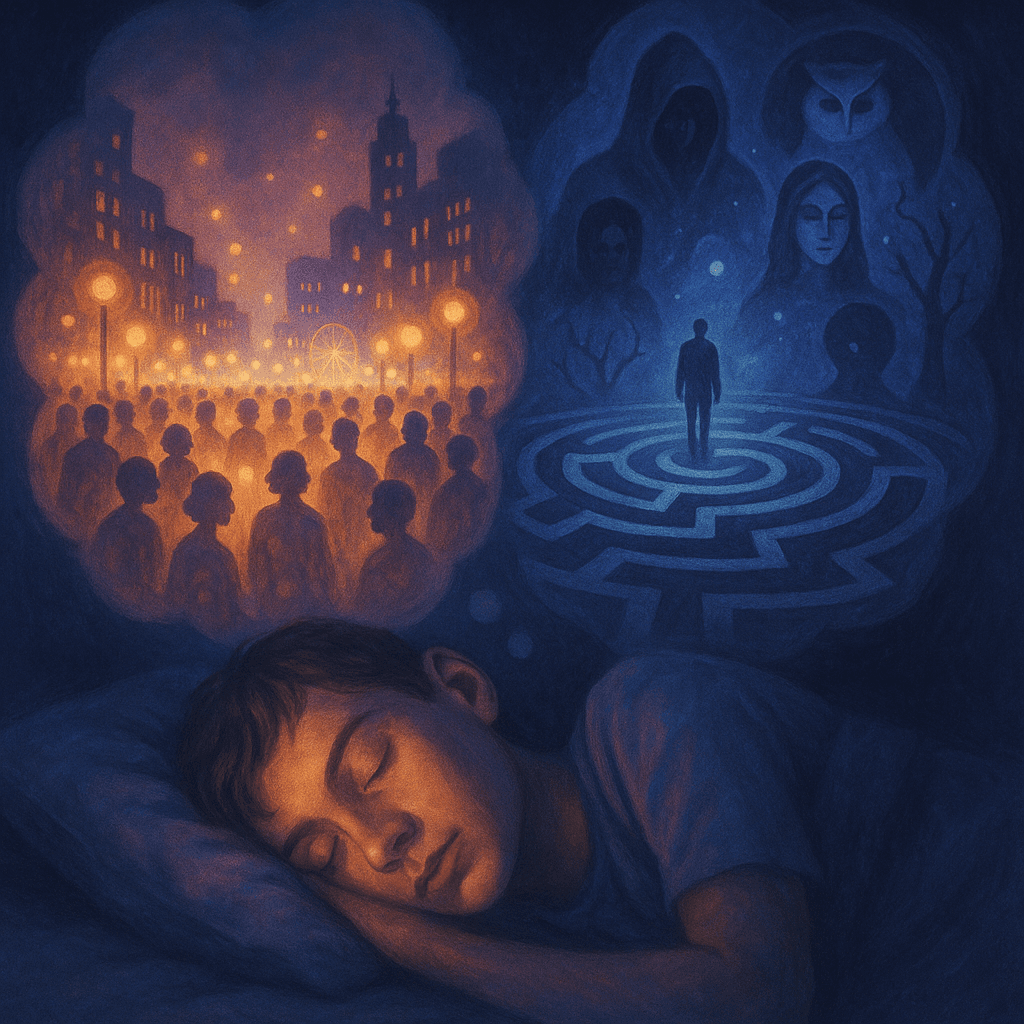
Dreams are strange little theaters of the mind. One night, someone is flying over neon cities. The next, they’re stuck in a classroom they haven’t seen in twenty years. Random? Maybe. But if you ask many psychologists - and honestly, anyone who has paid attention to their inner world - there’s often a pattern hiding in plain sight.
Here’s the intriguing part: a person’s Jungian type can quietly shape the themes, tone, and emotional charge of their dreams.
Sounds dramatic? Stay with it.
What Is Jungian Type, Really?
Before diving into dream symbolism, let’s clear the ground. Jungian typology, inspired by Carl Jung’s psychological theories, explores how people perceive the world and make decisions. It looks at preferences like introversion versus extraversion and thinking versus feeling. These aren’t labels - they’re lenses.
Imagine personality as the operating system running quietly in the background. Most people don’t see it, but it determines how information is processed, how stress is handled, and yes - how dreams unfold.
Jung believed dreams weren’t random fireworks. He saw them as messages from the unconscious, balancing and compensating for what’s missing in waking life. That idea changes everything.
The Inner Compass - Why Type Influences Dream Content
Each psychological type has dominant and inferior functions. In plain language? Strengths on the surface, weaker patterns in the shadows.
Dreams often spotlight those shadow elements.
For example, someone who relies heavily on logical analysis during the day may experience emotionally intense dreams at night. The psyche seeks balance. It’s like a scale that refuses to stay tipped for too long.
Have you ever wondered why certain dream themes repeat for years? Conflict. Exploration. Rescue. Isolation. These aren’t random storylines. They often echo unresolved aspects of personality.
Introverts vs. Extraverts - Dream Worlds Collide
Introverted Types
Introverted personalities often report dreams that feel deeply symbolic, layered, and internal. The focus leans toward:
- Personal transformation
- Hidden rooms or secret passages
- Mysterious guides or shadow figures
- Intense emotional landscapes
These dreams resemble psychological labyrinths. The outer world fades. The inner terrain expands.
It’s as if the mind builds a private universe and invites the dreamer to explore it.
Extraverted Types
Extraverts, on the other hand, frequently dream about social settings and dynamic environments:
- Large gatherings
- Public performance scenarios
- Fast-paced action
- Conflict with authority or groups
The energy moves outward. Interaction drives the plot. Even when symbolism appears, it often shows up through other people.
Of course, no dream fits neatly into a box. But trends emerge over time. Patterns whisper truths.
Thinking vs. Feeling - The Emotional Temperature of Dreams
Here’s where things get fascinating.
Thinking-oriented individuals, who prioritize logic and objective analysis, may experience dreams saturated with emotion. Why? Compensation. The unconscious supplies what conscious life underemphasizes.
These dreams can feel overwhelming. Raw. Sometimes confusing.
Feeling-oriented personalities often encounter dreams involving moral dilemmas, relationship shifts, or ethical crossroads. The storyline may revolve around loyalty, betrayal, reconciliation, or sacrifice.
Notice the difference? One group may wrestle with emotion itself. The other navigates emotional meaning.
Sensing vs. Intuition - Concrete vs. Symbolic Imagery
Sensing types typically dream in vivid detail. Textures. Colors. Physical sensations. The narrative might revolve around realistic scenarios - work projects, familiar streets, everyday routines.
Intuitive types often describe surreal imagery. Floating cities. Shapeshifting characters. Time bending in impossible ways.
It’s like comparing a high-definition documentary to an abstract painting.
Neither is better. Both reveal something essential about how the mind gathers information.
The Shadow Function - Where Dreams Get Intense
Jung introduced the concept of the shadow - the parts of personality that remain underdeveloped or suppressed. Dreams love the shadow.
In fact, they practically roll out a red carpet for it.
Consider this: a confident leader who avoids vulnerability might dream about helplessness. A peacekeeping personality who avoids confrontation might dream about explosive anger.
The unconscious doesn’t attack. It compensates. It balances.
That’s not mystical. It’s psychological equilibrium.
Why Understanding Type Matters for Dream Analysis
Interpreting dreams without knowing personality structure is like reading a novel with half the pages missing. Context changes meaning.
When someone understands their psychological makeup, recurring dream themes suddenly click into place. Symbols stop feeling random. They start feeling personal.
For those curious about uncovering their own typology in a scientifically grounded way, platforms like lifematika.com provide a comprehensive personality assessment built on eight major psychological models. The process includes 95 carefully designed questions and takes about 15 minutes. No registration hoops. Instant detailed analysis. Free to start.
What makes it stand out? It integrates frameworks such as:
- OCEAN - the Big Five traits
- Jungian typology
- DISC behavioral mapping
- VIA character strengths
- Self-Determination Theory
- Schwartz’s core values model
- Emotional intelligence metrics
- Motivational drivers analysis
That’s not surface-level labeling. It’s layered insight.
When dream interpretation connects with structured personality data, clarity increases dramatically. Instead of guessing, individuals analyze patterns with context.
Common Dream Themes by Jungian Preference
While everyone is unique, certain motifs frequently align with specific tendencies:
Dominant Intuition
- Prophetic imagery
- Symbolic death and rebirth
- Archetypal figures
Dominant Sensing
- Physical danger scenarios
- Environmental changes
- Body-focused sensations
Dominant Thinking
- Problem-solving under pressure
- Strategic conflict
- Logical puzzles that collapse emotionally
Dominant Feeling
- Relationship repair
- Community breakdown
- Acts of sacrifice or protection
Again, these are tendencies - not rules carved in stone.
Dreams as Psychological Calibration
Think of the psyche as a self-correcting compass. During waking hours, people lean into strengths. At night, the mind recalibrates.
Dreams highlight neglected traits. They exaggerate imbalance. They dramatize internal tension.
And sometimes, they offer rehearsal space. A shy personality might dream of bold public speech. A risk-taker might dream of catastrophic consequences. It’s rehearsal. It’s simulation.
Almost like the brain runs emotional software updates while the body sleeps.
Can Personality Change Dream Patterns?
Absolutely.
When individuals consciously develop weaker functions - for example, when a rigid thinker practices empathy - dream intensity often shifts. Symbols evolve. Conflict softens.
Many users who retake structured assessments over time notice parallel changes in dream themes. As motivation, values, and emotional awareness expand, nocturnal imagery transforms as well.
That’s growth made visible.
Practical Steps to Connect Type and Dreams
Curious how to apply this insight? Start simple:
- Identify psychological preferences using a research-based assessment.
- Track recurring dream themes for at least two weeks.
- Notice emotional tone - fear, curiosity, guilt, excitement.
- Compare dream content with dominant and inferior functions.
- Look for compensation patterns rather than literal predictions.
It’s less about decoding symbols from a universal dictionary and more about understanding the dreamer’s architecture.
That subtle shift changes everything.
Final Thoughts - The Mind Never Sleeps
Dreams aren’t random noise. They’re dialogues between conscious identity and hidden potential.
Jungian type acts like a filter, shaping what appears on that nightly stage. Some personalities meet their shadow through fiery confrontation. Others encounter it in quiet symbolic riddles.
The real question isn’t whether personality affects dreams.
It’s this: what might those dreams be trying to balance?
Understanding psychological structure doesn’t strip away mystery. It sharpens it. And when insight meets reflection, even the strangest midnight story begins to make sense.