Featured image for The Difference Between Personal and Collective Unconscious

The Difference Between Personal and Collective Unconscious

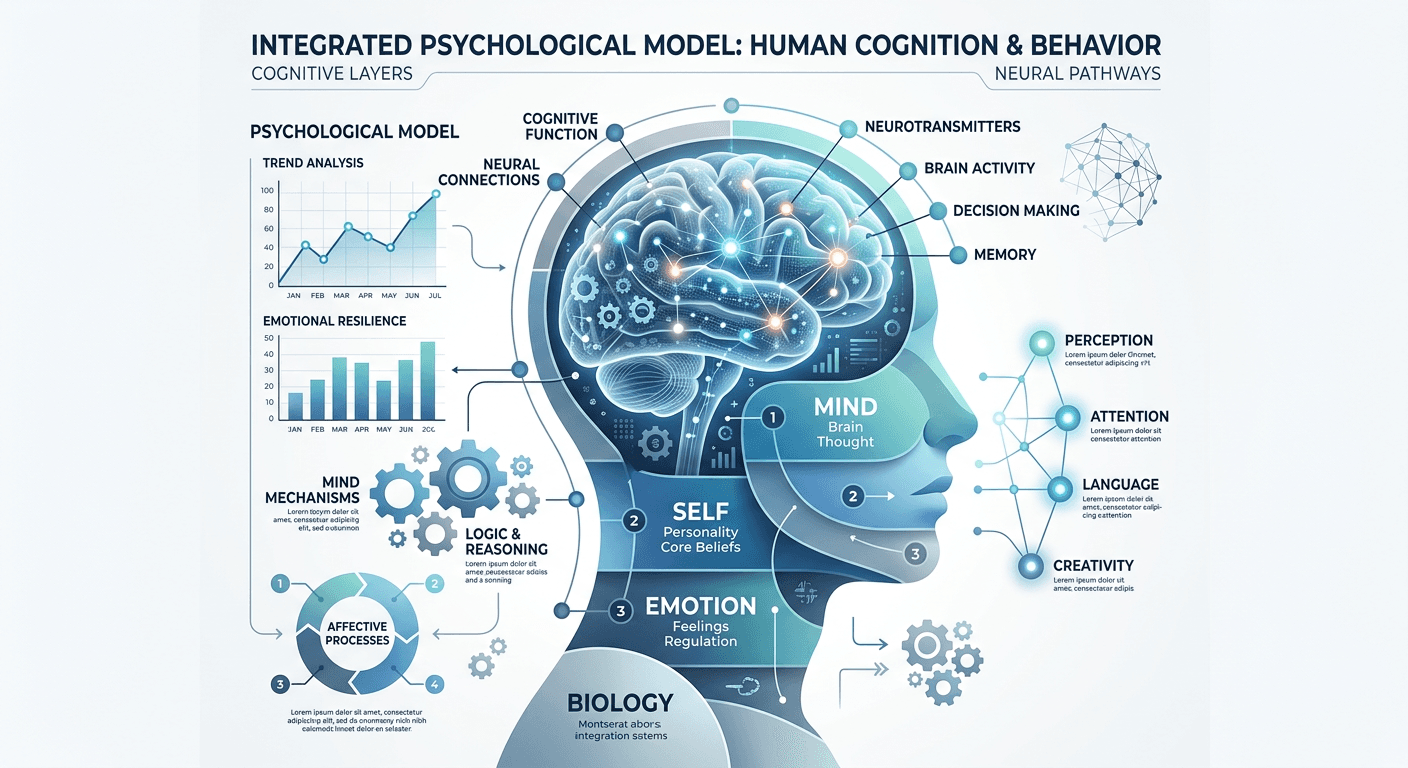
There’s something quietly fascinating about the parts of the mind no one can see. Everyone talks about mindset, habits, productivity hacks. But beneath all that noise sits a deeper layer - actually, two deeper layers - shaping thoughts, decisions, fears, even dreams. Carl Jung called them the personal unconscious and the collective unconscious. And if you ask me, understanding the difference between the two feels like finally finding the backstage door to your own personality. Sounds dramatic?

Yaro Pry's avatarYaro Pry··5 min read
Featured image for Jung’s Concept of "Individuation" Explained

Jung’s Concept of "Individuation" Explained

Some ideas refuse to fade. Carl Jung’s concept of individuation is one of them. Decades later, it still lingers in therapy rooms, late-night journal entries, and those quiet moments when a person asks, "Who am I - really?" Individuation isn’t about becoming famous. Or wealthy. Or impressive on social media. It’s about becoming whole. And if that sounds abstract, good. It’s supposed to. Jung never meant it to be a tidy self-help slogan. This is deeper water. What Is Individuation? At its cor

Yaro Pry's avatarYaro Pry··4 min read
Featured image for How Your DISC Style Changes Under Pressure

How Your DISC Style Changes Under Pressure

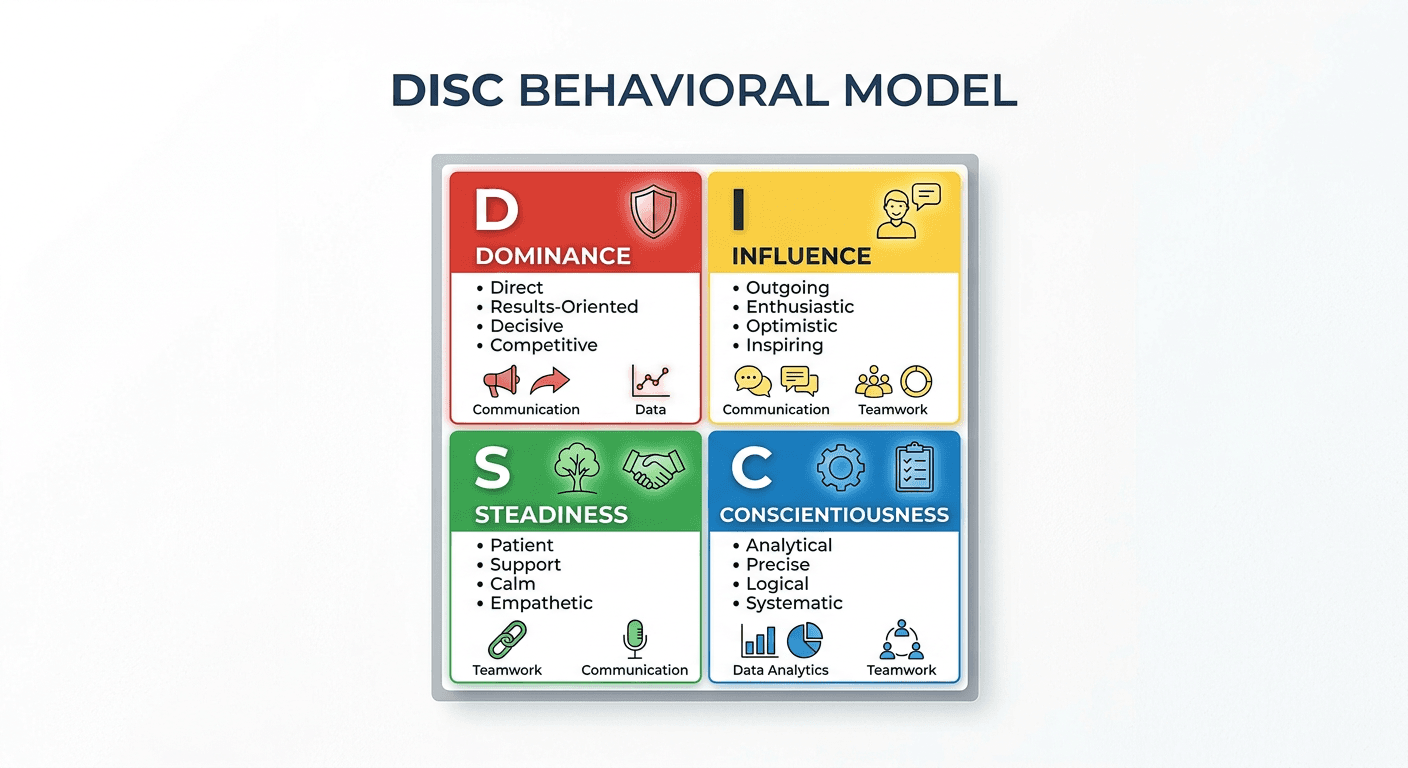
Everyone likes to believe they know themselves. They know how they lead, how they communicate, how they make decisions. Calm. Rational. Predictable. Then pressure walks into the room. A deadline tightens. A conflict escalates. Stakes rise. Suddenly that steady, thoughtful colleague snaps. The bold leader hesitates. The supportive teammate withdraws. What happened? If you ask most behavioral experts, the answer is simple - stress reshapes expression. It doesn’t usually rewrite personality fr

Yaro Pry's avatarYaro Pry··4 min read
Featured image for Using DISC to Improve Your Public Speaking

Using DISC to Improve Your Public Speaking

Public speaking terrifies people. Not everyone, of course - but enough that it regularly tops the list of common fears. And here’s the thing: most advice out there sounds the same. Practice more. Breathe deeply. Picture the audience in pajamas. Fine tips, sure. But they miss something big. They ignore personality. If someone understands how they’re wired - how they naturally communicate, decide, and respond under pressure - speaking in front of a crowd stops feeling like acting and starts feel

Yaro Pry's avatarYaro Pry··5 min read
Featured image for Training Your Staff on DISC Assessment Results

Training Your Staff on DISC Assessment Results

Personality assessments are everywhere these days. Some are fluffy. Some are forgettable. And some - when handled correctly - can genuinely transform how a team communicates, collaborates, and closes deals. DISC falls into that last category. But here’s the catch: handing employees a DISC report and wishing them luck is like giving someone a gym membership and expecting six-pack abs by Friday. Insight without training doesn’t stick. It fades. And fast. This guide walks through how to train st

Yaro Pry's avatarYaro Pry··4 min read
Featured image for Why DISC is More Useful than MBTI for Sales

Why DISC is More Useful than MBTI for Sales

Sales is not therapy. It is not self-expression hour. And it is definitely not a personality fan club. Sales is influence. Communication. Timing. Pressure. Objection handling. Reading the room before the room reads you. So here’s the hot take - when it comes to sales performance, DISC is simply more useful than MBTI. That doesn’t mean MBTI is useless. It’s fascinating. It sparks conversations. It gives people language for identity. But in a revenue-driven environment? DISC wins. And it’s not

Yaro Pry's avatarYaro Pry··4 min read