Featured image for Self-Direction vs. Conformity: Navigating Personal Freedom

Self-Direction vs. Conformity: Navigating Personal Freedom

There’s a quiet tug-of-war happening in almost everyone’s life. On one side - self-direction. On the other - conformity. One whispers, “Choose your own path.” The other nudges, “Stay where it’s safe.” And somewhere in the middle stands the modern human, coffee in hand, wondering why making decisions feels heavier than it should. Honestly, if you ask most people what they value, they’ll say freedom. Independence. Authenticity. Yet look closer and you’ll notice how often choices are shaped by exp

Yaro Pry's avatarYaro Pry··5 min read
Featured image for Understanding Schwartz’s Theory of Basic Human Values

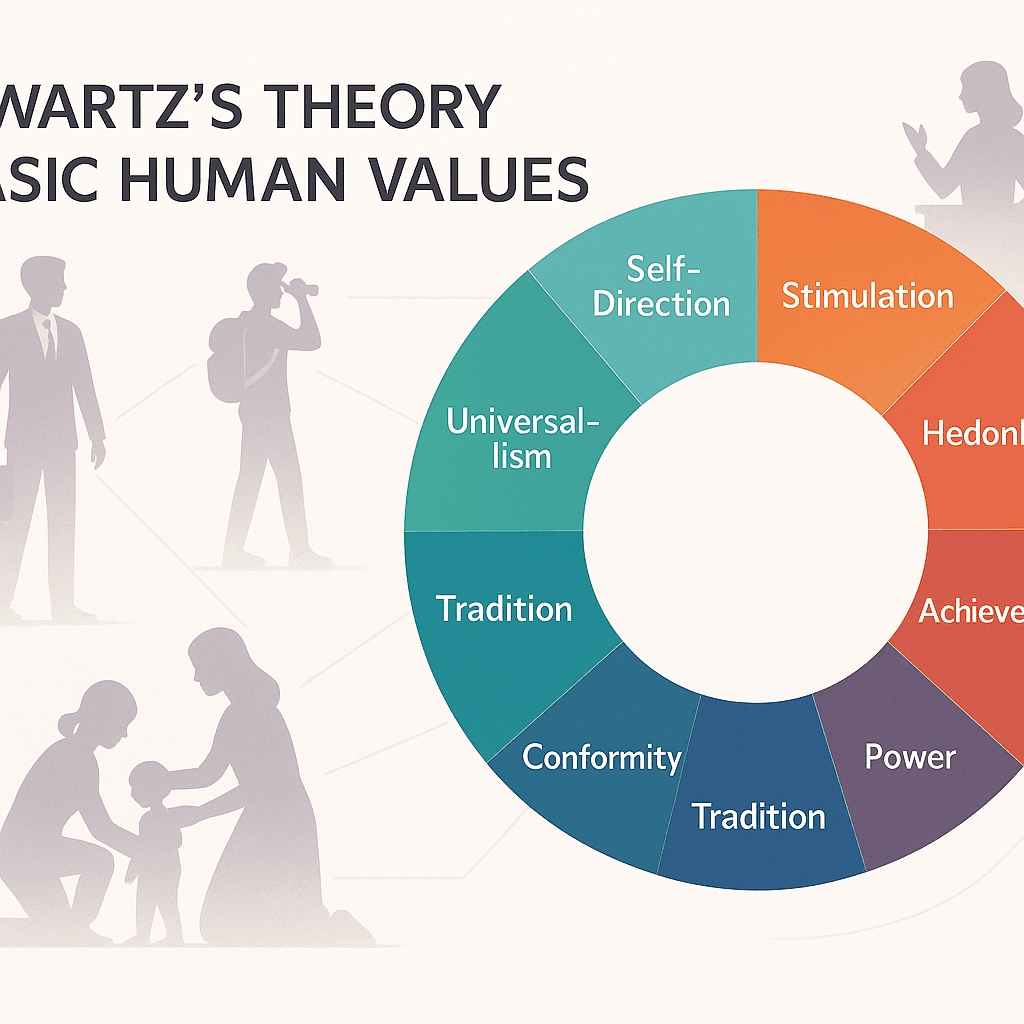
Understanding Schwartz’s Theory of Basic Human Values

Why do people choose wildly different paths, even when they start from the same place? Why does one person chase adventure across continents while another builds a quiet, stable life close to home? It is tempting to say “personality.” But that’s only half the story. Beneath personality traits sits something deeper - something steadier. Values. Schwartz’s Theory of Basic Human Values digs into that deeper layer. And honestly, it explains more about human behavior than most people realize. What

Yaro Pry's avatarYaro Pry··4 min read
Featured image for How to Align Your Daily Tasks with Your Core Needs

How to Align Your Daily Tasks with Your Core Needs

Most people don’t wake up lacking discipline. They wake up misaligned. The to-do list is packed. Meetings. Emails. Groceries. Deadlines. Gym - maybe. By 9 p.m., exhaustion sets in, yet a strange dissatisfaction lingers. Plenty got done. So why does it feel like nothing meaningful moved forward? Here’s the uncomfortable truth - productivity without alignment is just motion. And motion, by itself, doesn’t guarantee progress. When daily tasks fail to connect with core psychological needs, even h

Yaro Pry's avatarYaro Pry··4 min read
Featured image for Why You Feel Burnt Out: An SDT Perspective

Why You Feel Burnt Out: An SDT Perspective

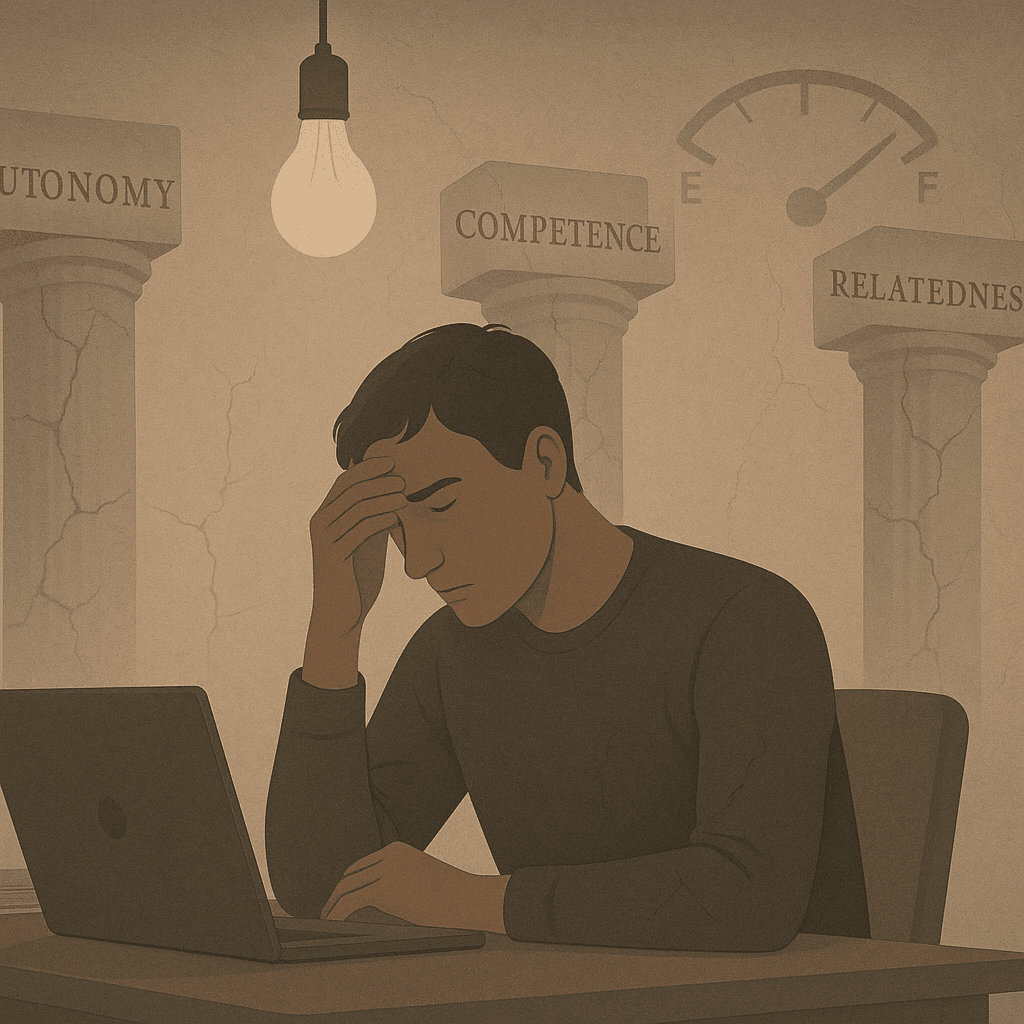
Burnout doesn’t always crash into someone’s life like a dramatic storm. Sometimes it creeps in quietly. A little less motivation here. A bit more irritability there. Coffee stops working. Weekends don’t recharge. Even success feels strangely empty. Sound familiar? Most people blame workload. Or poor time management. Or maybe they assume they’re just "bad at handling stress." But from the lens of Self-Determination Theory - often called SDT - burnout isn’t about weakness. It’s about unmet psychol

Yaro Pry's avatarYaro Pry··4 min read
Featured image for Self-Determination Theory and the Secret to Sustainable Habits

Self-Determination Theory and the Secret to Sustainable Habits

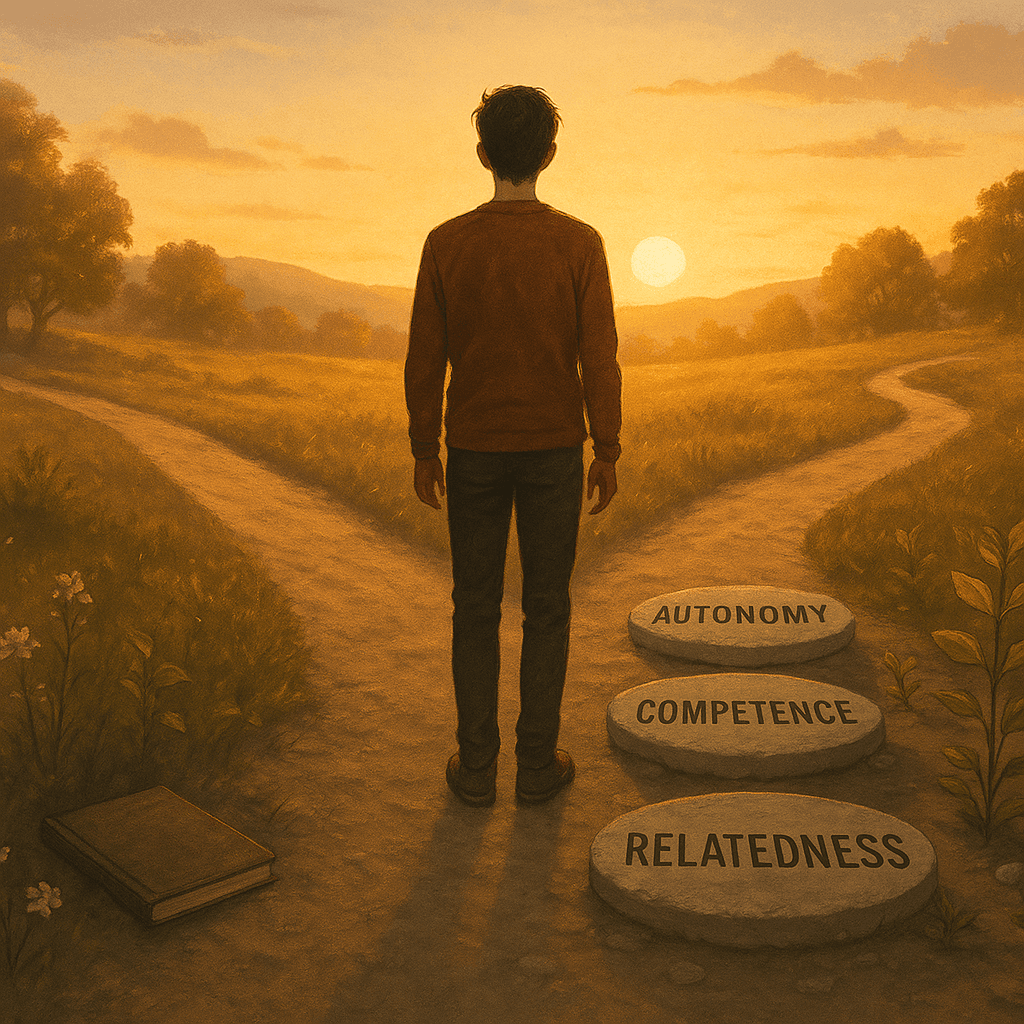
Why do some habits stick like glue, while others fall apart after a week? Everyone has felt that surge of motivation - the Monday morning gym vow, the brand-new journal, the ambitious meal prep plan. For a few days, maybe even a few weeks, everything clicks. Then life nudges back. Energy dips. The habit fades. Here’s the uncomfortable truth: most people chase discipline when they should be cultivating autonomy. That’s where Self-Determination Theory enters the conversation. Not as another sel

Yaro Pry's avatarYaro Pry··5 min read
Featured image for How to Build Meaningful Connections (Relatedness) at Work

How to Build Meaningful Connections (Relatedness) at Work

Walk into any office - virtual or physical - and you can feel it almost instantly. Some teams hum like a well-tuned orchestra. Others feel... off. Polite. Distant. Transactional. The difference usually isn’t talent. It isn’t even strategy. It’s relatedness at work - the sense of genuine human connection. If you ask most professionals what they want from their job, they’ll mention growth, flexibility, maybe better pay. But beneath all that? They want to feel seen. Valued. Connected. Relatedness i

Yaro Pry's avatarYaro Pry··5 min read