Featured image for The Dark Side of High Conscientiousness: Perfectionism

The Dark Side of High Conscientiousness: Perfectionism

High conscientiousness sounds like a compliment. And often, it is. Organized. Reliable. Disciplined. The person who shows up early, meets deadlines, color-codes spreadsheets for fun. Employers love them. Friends depend on them. Society applauds them. But here’s the uncomfortable truth - when conscientiousness climbs too high, it can quietly morph into something heavier. Something rigid. Something exhausting. Perfectionism. And perfectionism doesn’t always wear a villain’s cape. Sometimes it

Yaro Pry's avatarYaro Pry··5 min read
Featured image for Managing an Introverted Team: A Guide for Leaders

Managing an Introverted Team: A Guide for Leaders

Leading an introverted team is not a limitation. It is an opportunity. A quiet room does not mean a disengaged room. It often means people are thinking - deeply, carefully, strategically. And if you ask many seasoned leaders, they will admit something surprising: some of the most productive, creative teams they have ever led were made up of people who preferred reflection over spotlight. Yet here’s the challenge. Modern workplaces reward volume. Brainstorms that feel like verbal ping-pong matche

Yaro Pry's avatarYaro Pry··5 min read
Featured image for Why Conscientiousness is the Best Predictor of University Grades

Why Conscientiousness is the Best Predictor of University Grades

Everyone loves to argue about intelligence. Is it IQ? Natural talent? Raw cognitive horsepower? Parents debate it. Professors hint at it. Students obsess over it quietly at 2 a.m. before an exam. But here’s the uncomfortable truth - intelligence alone doesn’t predict university grades nearly as well as most people think. The real heavyweight champion? Conscientiousness. Yes, that word. Slightly boring. Not flashy. Not dramatic. But when researchers stack personality traits against GPA, consc

Yaro Pry's avatarYaro Pry··4 min read
Featured image for The Power of Intellectual Curiosity (Openness)

The Power of Intellectual Curiosity (Openness)

Some people walk into a room and see walls, chairs, and a clock ticking too loudly. Others walk in and wonder who designed the space, why the lighting feels slightly off, what conversations these walls have absorbed, and whether there’s a better way to arrange everything. The difference? Intellectual curiosity - often described in psychology as Openness. If you ask me, Openness is the quiet superpower no one talks about enough. It doesn’t shout. It doesn’t brag. But it changes careers, relati

Yaro Pry's avatarYaro Pry··4 min read
Featured image for How to Boost Your Agreeableness Without Losing Yourself

How to Boost Your Agreeableness Without Losing Yourself

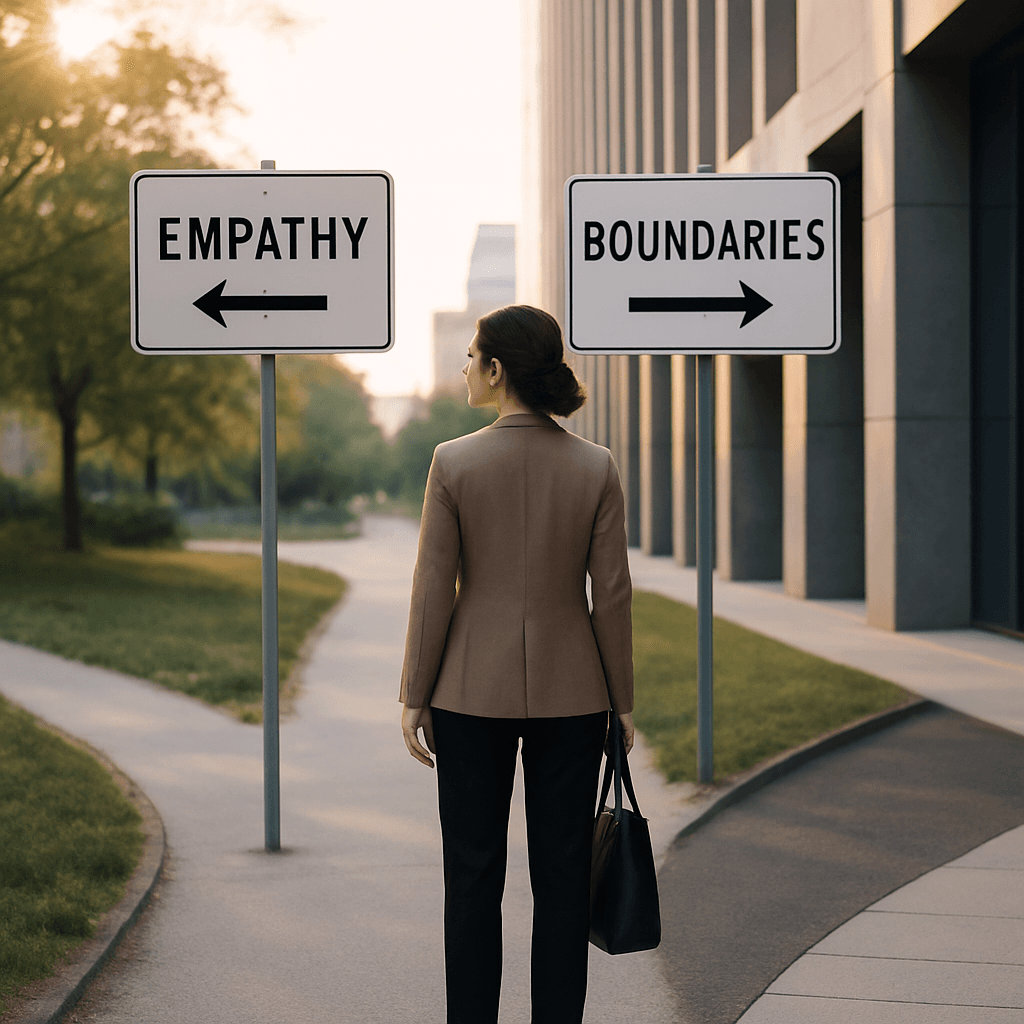
Agreeableness gets a strange reputation. Some people treat it like a superpower - the secret sauce of healthy relationships, teamwork, and emotional intelligence. Others roll their eyes and mutter something about “people-pleasing” and being too soft for the real world. So which is it? Honestly, it’s both. And neither. Agreeableness, one of the Big Five personality traits in the OCEAN model, reflects how cooperative, compassionate, and considerate someone tends to be. High scorers often value

Yaro Pry's avatarYaro Pry··4 min read
Featured image for Dealing with High Neuroticism in a Fast-Paced World

Dealing with High Neuroticism in a Fast-Paced World

The modern world moves like it’s had three espressos before breakfast. Notifications buzz. Deadlines stack up. News cycles spin faster than most people can process. For someone with high neuroticism, that pace doesn’t just feel stressful - it can feel overwhelming. Here’s the honest truth: high neuroticism isn’t a flaw. It’s a personality trait. And like any trait, it comes with trade-offs. The problem isn’t the sensitivity itself. The problem is living in a world that rarely slows down. So wh

Yaro Pry's avatarYaro Pry··4 min read