Featured image for The Virtue of "Humility" in a Self-Promoting World

The Virtue of "Humility" in a Self-Promoting World

Scroll through any social feed and a pattern emerges. Achievement. Announcement. Applause. Everyone seems to be building a personal brand, polishing it, and holding it up to the light like a trophy. Success today isn’t just experienced - it’s displayed. And right there, quietly standing in the corner, is humility. Not flashy. Not loud. Not algorithm-friendly. But powerful. Incredibly powerful. In a culture that rewards visibility, humility can feel almost rebellious. Counterintuitive. Even r

Yaro Pry's avatarYaro Pry··5 min read
Featured image for How to Use "Hope" as a Strategy for Success

How to Use "Hope" as a Strategy for Success

Hope gets a bad reputation. Some people treat it like a fluffy emotion - a soft cushion for hard times. Others dismiss it entirely. "Hope isn’t a plan," they say. And sure, blind optimism won’t pay bills or build a business. But here’s the hot take: hope, when used correctly, is not a wish. It’s a strategy. Not the kind that lives on motivational posters. The kind that shapes behavior, decisions, and long-term outcomes. So what if hope isn’t passive at all? What if it’s one of the most underr

Yaro Pry's avatarYaro Pry··4 min read
Featured image for Which Character Strength is Most Common Globally?

Which Character Strength is Most Common Globally?

It’s a question that sounds simple at first. Almost casual. Which character strength is most common around the world? But sit with it for a minute and it opens a door into something bigger - how humans see themselves, what we value, and what quietly binds strangers together across continents. Are we mostly brave? Kind? Curious? Honest? Here’s the surprising part. When psychologists measure character strengths globally, one trait consistently rises near the top: kindness. Yes. Kindness. Not ambit

Yaro Pry's avatarYaro Pry··5 min read
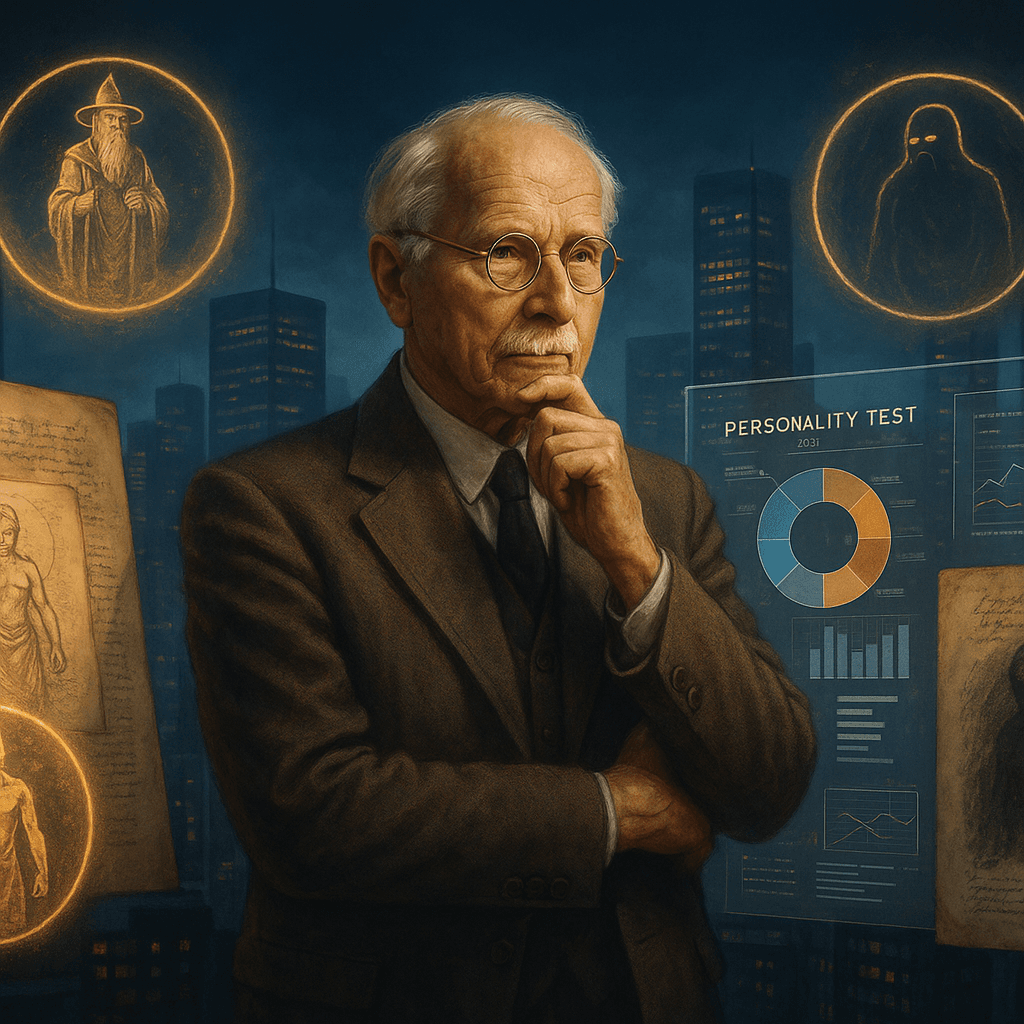
Featured image for Why Jung’s Theories are Still Relevant in 2026

Why Jung’s Theories are Still Relevant in 2026

Psychology trends come and go. One year it’s all about hustle culture and dopamine hacks. The next, it’s shadow work and emotional intelligence reels flooding social media. Yet somehow, Carl Jung - a Swiss psychiatrist who started publishing ideas over a century ago - refuses to fade into the background. Why? Because Jung understood something timeless about human nature. He saw patterns in the chaos. He noticed symbols in our dreams, contradictions in our personalities, and hidden motives behind

Yaro Pry's avatarYaro Pry··5 min read
Featured image for Exploring Your Archetypal Journey with Lifematika

Exploring Your Archetypal Journey with Lifematika

Some people drift through life like passengers in the back seat. Others grip the wheel, eyes forward, music loud. The difference often comes down to one thing - self-awareness. And here’s the uncomfortable truth: most people think they know themselves far better than they actually do. That’s where tools like lifematika.com step in. Not as a horoscope. Not as a personality gimmick. But as a structured, research-backed mirror that reflects what’s actually there - strengths, blind spots, motivation

Yaro Pry's avatarYaro Pry··5 min read
Featured image for Jungian Typology and the Search for Meaning

Jungian Typology and the Search for Meaning

There is a quiet question that follows people around like a shadow: Who am I, really? Not the job title. Not the curated bio. Not the version polished for social media. The real blueprint underneath it all. Jungian typology has been circling that question for nearly a century. And if you ask many psychologists - and plenty of curious late-night thinkers - it still offers one of the most compelling maps for self-discovery. But here’s the thing. Jungian typology isn’t just about labeling yoursel

Yaro Pry's avatarYaro Pry··5 min read