Using Your DISC Profile to Design Your Morning Routine
 Yaro Pry··4 min read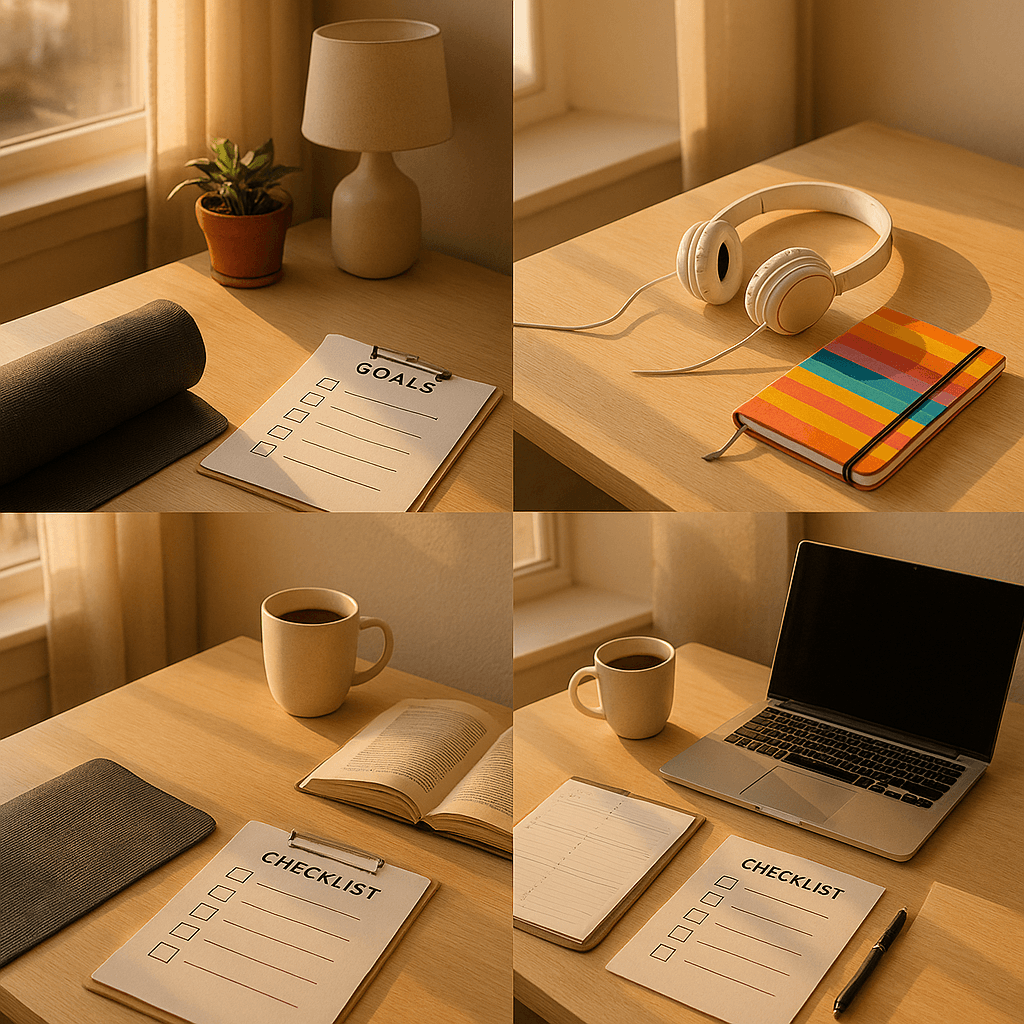
Mornings shape everything.
The tone. The focus. The mood. The quiet confidence - or the low-level chaos - that follows someone into the rest of the day.
Yet most people copy routines that were never built for them. They borrow a CEO’s 5 a.m. workout, a YouTuber’s ice bath ritual, or a productivity guru’s color-coded planner system. Then they wonder why it feels forced.
Here’s the truth - a powerful morning routine isn’t about discipline alone. It’s about alignment. And one of the most practical ways to create that alignment is through a DISC personality profile.
When someone understands how they naturally think, act, and respond, they stop fighting themselves. They start designing smarter.
Why DISC Matters for Your Morning Routine
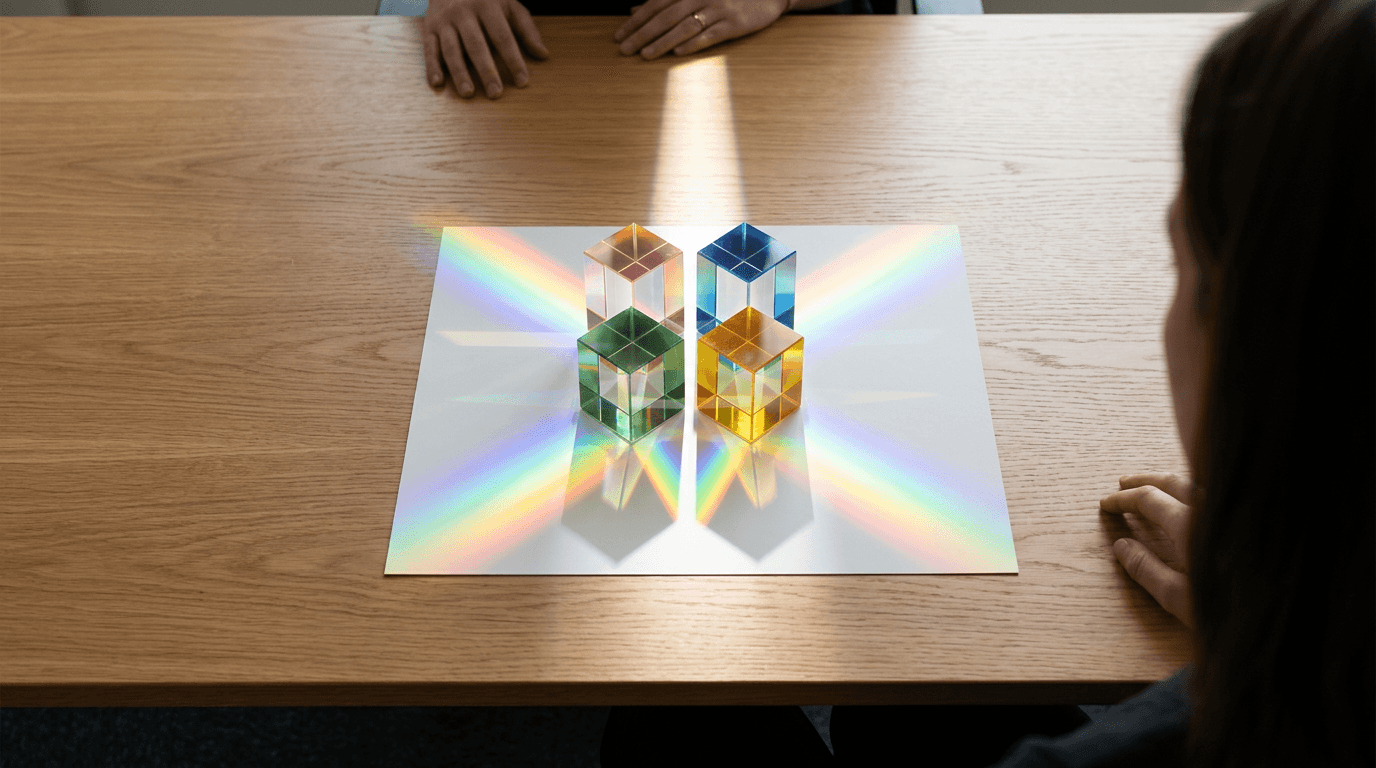
The DISC assessment breaks behavior into four primary styles:
- D - Dominance
- I - Influence
- S - Steadiness
- C - Conscientiousness
Each style processes motivation, structure, and energy differently. So why would their mornings look identical?
Designing a routine without personality insight is like wearing shoes three sizes too small. Technically possible. Completely unnecessary.
Before building anything, it helps to understand one’s behavioral blueprint. A comprehensive platform like lifematika.com goes far beyond a simple quiz. It combines DISC with seven other research-backed models - including OCEAN, Jungian typology, values theory, and emotional intelligence - to produce a detailed personality report in about 15 minutes.
No registration. Instant analysis. Fully private.
That kind of insight changes how someone approaches even small daily habits.
The Dominance Type - Start Fast, Win Early
People high in Dominance crave progress. They move quickly. They want results, not rituals for ritual’s sake.
A slow, reflective sunrise meditation might feel like waiting at a red light with no traffic in sight.
Best Morning Strategies for D Types
- Begin with a decisive action. A workout, a cold shower, or tackling the hardest task first.
- Set one clear objective for the day. Not ten. One major win.
- Keep it efficient. Structure matters, but overplanning drains momentum.
D personalities thrive on movement. Their routine should feel like a launchpad, not a waiting room.
If they try to mimic a slower-paced style, frustration builds. And frustration at 7 a.m. is not ideal.
The Influence Type - Fuel Energy and Connection
I types run on enthusiasm. They’re expressive, optimistic, socially driven. Silence can feel heavy for them.
A rigid, isolated morning may leave them drained before the day begins.
Best Morning Strategies for I Types
- Play energizing music while getting ready.
- Send a voice note or message to someone inspiring.
- Journal creatively rather than following strict prompts.
- Schedule collaborative work early if possible.
For this style, stimulation sparks productivity. Their morning should feel like opening the windows - fresh air, light, motion.
Too much silence? Motivation dips.
They perform best when emotional energy is activated early.
The Steadiness Type - Create Calm Consistency
S personalities value stability. Predictability comforts them. Abrupt change unsettles their rhythm.
A chaotic or rushed start can linger like background noise all day.
Best Morning Strategies for S Types
- Wake at the same time consistently.
- Include a grounding ritual - tea, stretching, light reading.
- Review the day quietly before diving in.
- Avoid information overload first thing.
They don’t need fireworks at sunrise. They need steadiness.
Think of it as warming up an engine properly instead of flooring the accelerator immediately.
When their morning feels secure, their productivity flows naturally.
The Conscientiousness Type - Structure and Precision
C styles appreciate accuracy, detail, and thoughtful preparation. Randomness irritates them. Sloppiness drains them.
A vague routine without measurable steps? That’s a recipe for low-grade anxiety.
Best Morning Strategies for C Types
- Create a written checklist.
- Track habits or metrics.
- Review goals analytically.
- Schedule focused, uninterrupted time.
They don’t necessarily want speed. They want clarity.
A well-designed spreadsheet or structured plan can feel deeply satisfying - almost meditative.
What Happens When You Ignore Your DISC Style?
Resistance.
Procrastination.
That subtle inner friction that whispers, “This isn’t working.”
A Dominance-driven professional forcing a slow journaling practice might abandon it within days. A Steadiness-oriented individual attempting an aggressive 4 a.m. boot camp schedule may feel burned out by week two.
Personality misalignment doesn’t always look dramatic. Sometimes it’s just inconsistency.
And inconsistency compounds.
Going Deeper Than DISC
DISC explains behavior. But behavior connects to values, motivation, emotional regulation, and cognitive patterns.
That’s where layered psychological insight becomes powerful.
Lifematika integrates eight major research-based models into a single streamlined assessment:
- OCEAN - the Big Five personality traits
- Jungian typology
- DISC behavioral mapping
- VIA character strengths
- Self-Determination Theory
- Schwartz’s values framework
- Emotional intelligence analysis
- Motivational drivers
In about 15 minutes, users receive a detailed report highlighting strengths, opportunities, and patterns. It’s free to start. No account required. Data stays private and confidential.
More than 1,000 users have already explored their profiles - and many retake the assessment after career shifts or major life events to track changes over time.
Why does this matter for mornings?
Because a routine built on shallow insight scratches the surface. A routine built on comprehensive self-knowledge fits like a tailored suit.
Designing a Routine That Evolves
Here’s a practical framework anyone can apply:
Step 1 - Identify Your Dominant DISC Style
Understand where behavioral energy flows naturally.
Step 2 - Layer in Motivational Drivers
Is autonomy essential? Mastery? Social connection?
Step 3 - Align With Core Values
A values-driven person wakes differently than someone focused primarily on achievement.
Step 4 - Build a 3-Part Morning Structure
- An activation ritual - physical or mental
- A clarity practice - planning or reflection
- A forward action - one meaningful task
Simple framework. Personalized execution.
Sounds obvious. Yet most people skip the personalization part.
Morning Routine Myths That Need to Go
Let’s clear something up.
- There is no universally “perfect” wake-up time.
- More habits do not equal better outcomes.
- Discipline without fit leads to burnout.
Social media often glamorizes extreme productivity rituals. But a Conscientiousness-heavy analyst and an Influence-driven creative will never optimize mornings the same way.
And they shouldn’t.
The Compounding Effect of Alignment
A well-designed morning routine acts like compound interest for behavior.
Small aligned actions repeated daily create momentum. Momentum builds identity. Identity reinforces consistency.
It becomes self-sustaining.
When someone operates in sync with their DISC profile, effort feels lighter. Focus sharpens. Energy stabilizes.
It’s not magic. It’s psychological leverage.
Final Thought - Design, Don’t Imitate
If someone feels stuck with inconsistent mornings, the issue might not be discipline.
It might be misalignment.
Understanding behavioral style through DISC - especially when combined with broader scientific models like those used by lifematika.com - offers a practical roadmap for change.
No hype. No gimmicks. Just structured self-awareness.
And once mornings align with personality, the rest of the day often follows.
After all, the first hour sets the tone. Why leave it to chance?