The Use of Personality Tests in College Admissions
 Yaro Pry··5 min read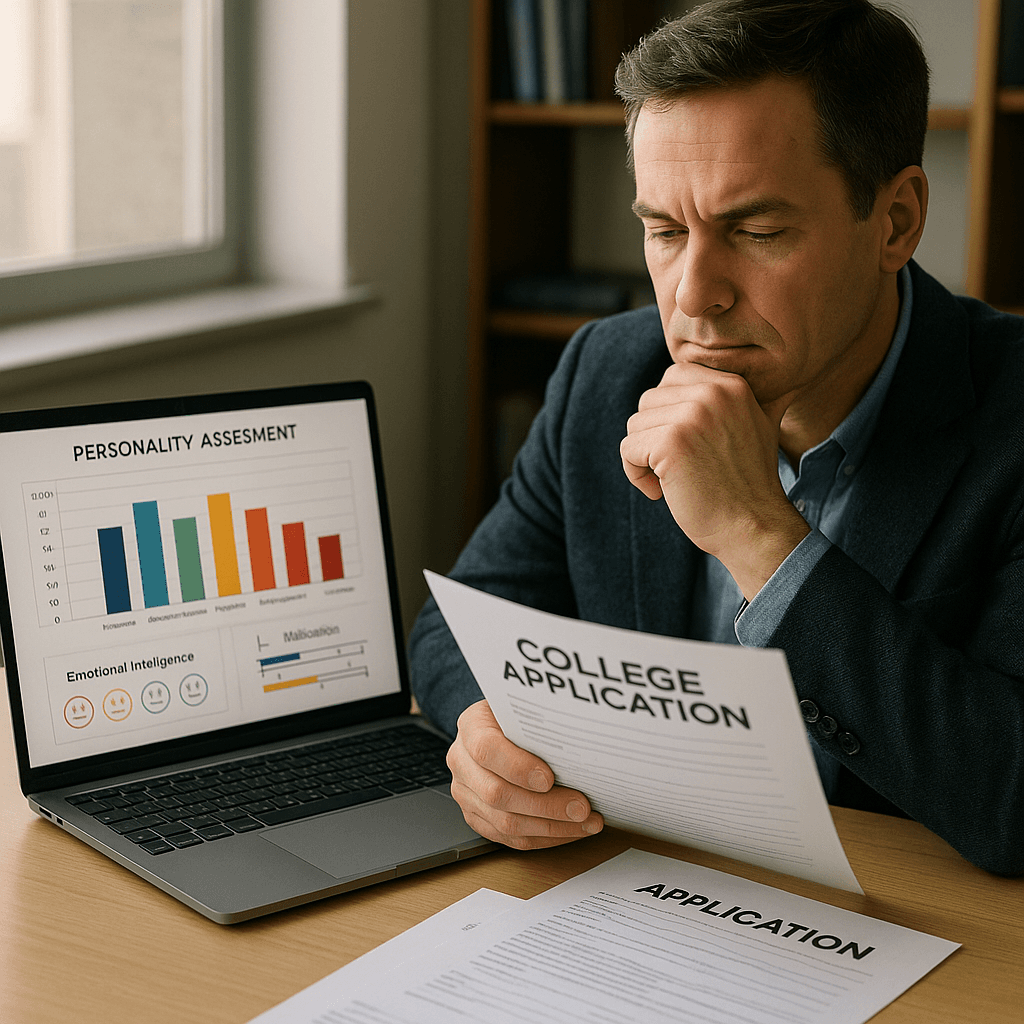
College admissions have always been a high-stakes puzzle. Grades. Test scores. Recommendation letters. A polished personal essay that somehow captures 17 years of existence in 650 words. And now? Personality tests are quietly entering the conversation. Some educators see them as the next logical step. Others raise an eyebrow. A few practically spill their coffee at the idea. So what’s really going on here? ## Why Colleges Are Looking Beyond GPA For decades, academic performance has been the golden ticket. High SAT score? Strong GPA? You’re in the running. Simple, right? Not exactly. Admissions teams know something most applicants eventually discover the hard way - success in college isn’t driven by intelligence alone. Motivation matters. Emotional regulation matters. Adaptability, collaboration, resilience... they matter a lot. Personality assessments promise insight into qualities that transcripts simply can’t show. They attempt to answer questions like: - Does this student thrive under pressure? - How do they handle feedback? - Are they intrinsically motivated or externally driven? - What values guide their decisions? These aren’t minor details. They’re the psychological wiring behind performance. In many ways, relying solely on grades to predict college success is like hiring someone based only on their résumé format. It tells part of the story. Not the whole thing. ## What Personality Tests Actually Measure Let’s clear up a common misconception. Modern personality tests aren’t horoscope-style quizzes. They’re grounded in decades of research. Many scientifically designed assessments combine multiple frameworks to build a fuller psychological profile. Some of the most respected models include: ### 1. The Big Five - OCEAN This framework evaluates five core traits: - Openness - Conscientiousness - Extraversion - Agreeableness - Neuroticism Research consistently links conscientiousness, for example, with academic persistence. That’s not fluffy theory - that’s replicated data. ### 2. Jungian Typology This looks at cognitive preferences and the spectrum of introversion versus extraversion. It helps explain how students process information and recharge energy. ### 3. DISC Behavioral Styles Dominance, Influence, Steadiness, Conscientiousness - these dimensions reveal communication and collaboration tendencies. ### 4. Emotional Intelligence The ability to recognize and regulate emotion is often a stronger predictor of long-term success than raw IQ. Group projects, dorm life, leadership roles - all demand emotional skill. ### 5. Motivational and Values-Based Models Frameworks like Self-Determination Theory and Schwartz’s Theory of Basic Values dig deeper. They explore what truly drives someone. Autonomy? Achievement? Security? Growth? When these systems work together, they form something closer to a psychological blueprint than a surface-level label. ## The Argument in Favor of Personality Testing Supporters of personality tests in college admissions make a compelling case. First, they argue that holistic review should actually be holistic. If schools claim to care about the "whole person," then psychological patterns matter. Second, these assessments can reveal hidden potential. A student from an under-resourced school might not have perfect grades. But high intrinsic motivation, strong emotional intelligence, and high conscientiousness? That combination can outperform raw talent every time. Third, data can reduce bias. When implemented correctly, standardized psychometric tools can offer structured insights that reduce subjective guesswork in admissions committees. And here’s the hot take - personality tests may be fairer than legacy preferences or vague character references. Sounds controversial? Maybe. But worth considering. ## The Ethical Concerns - And They’re Real Of course, this isn’t all smooth sailing. Critics raise serious questions: - Can personality be faked? - Should institutions evaluate psychological traits at all? - Where does privacy begin and end? - Could such tools disadvantage certain cultural groups? These aren’t small concerns. Personality data is sensitive. Mishandled, it becomes invasive. Admissions decisions shape lives. Adding psychological profiling into that equation demands extreme caution. Transparency is key. So is consent. And strict data protection. Without those safeguards, the entire concept collapses. ## How Platforms Like Lifematika Change the Conversation Here’s where modern psychometric platforms enter the scene. lifematika.com offers a scientific personality assessment built on eight leading psychological methodologies. It includes OCEAN, Jungian typology, DISC, VIA Character Strengths, Self-Determination Theory, Schwartz’s values framework, emotional intelligence metrics, and motivational analysis - all within one streamlined system. The assessment includes 95 questions and takes about 15 minutes. No registration required. Instant results. Free to start. That accessibility matters. Instead of being filtered exclusively through admissions offices, students themselves can use tools like Lifematika for self-discovery. They receive a detailed analytical report with practical recommendations immediately after completion. And that shifts the power dynamic. Rather than colleges secretly evaluating personality, students gain awareness first. They can understand strengths, blind spots, and motivational drivers before stepping onto campus. If personality testing becomes part of admissions, platforms grounded in peer-reviewed research - and committed to confidentiality - will set the standard. ## The Privacy Question - A Non-Negotiable Any discussion of personality tests in college admissions must address data security. Lifematika emphasizes strict confidentiality. User data is protected and used solely to generate the individual report. No unnecessary data harvesting. No hidden surprises. In an era where personal information often feels like currency, privacy isn't a bonus feature. It’s foundational. Colleges considering psychometric tools would need similar safeguards. Otherwise, trust evaporates. ## Should Personality Tests Influence Admissions Decisions? Here’s where the debate sharpens. Some experts argue personality data should inform support systems, not gatekeeping. In other words: 1. Use assessments to guide mentoring. 2. Match students with programs aligned to their strengths. 3. Provide early interventions when risk patterns appear. 4. Help students choose majors aligned with core values and motivation. But should personality determine who gets accepted? That’s a heavier question. Human personality evolves. An 18-year-old is not a finished product. Traits shift. Motivations mature. Emotional regulation improves with experience. Reducing someone to a fixed psychological snapshot could be misleading. Honestly, the smarter move may be integration rather than replacement. Combine academic metrics, personal essays, interviews, and validated psychometric insights - without allowing any single element to dominate. ## The Bigger Picture - Education as Human Development Zoom out for a moment. College isn’t just about information transfer. It’s a developmental environment. Students refine identity, values, habits, and long-term goals. Understanding personality can accelerate that growth. Imagine a first-year student discovering they score high in openness but lower in conscientiousness. That insight alone can reshape study habits. Or realizing intrinsic motivation is low - prompting intentional goal setting. When used responsibly, personality testing becomes a mirror. Not a verdict. And mirrors, when accurate, are powerful. ## Practical Benefits for Students Whether or not colleges adopt personality tests in admissions, students can benefit immediately from self-assessment tools. Here’s how: - Identify natural strengths before choosing a major - Improve communication and teamwork - Recognize stress triggers - Align career paths with core values - Track personal growth over time Lifematika even allows users to retake the assessment after major life events. That’s important because development isn’t linear. People change. Priorities shift. A reusable tool respects that reality. ## Final Thoughts - A Tool, Not a Label Personality tests in college admissions spark strong reactions for good reason. They sit at the intersection of psychology, ethics, and opportunity. Handled carelessly, they could oversimplify complex human beings. Handled thoughtfully, they could deepen understanding - both for institutions and for students themselves. The key distinction? Intent. If the goal is control, personality testing becomes problematic. If the goal is growth, guidance, and informed decision-making, it becomes something else entirely. Education is evolving. Admissions processes are evolving. The question isn’t whether psychology will play a role. It’s how wisely that role will be designed. And perhaps the most important question of all - shouldn’t students understand themselves before anyone else tries to evaluate them?