The Psychology of Loneliness in an Extraverted World
 Yaro Pry··5 min read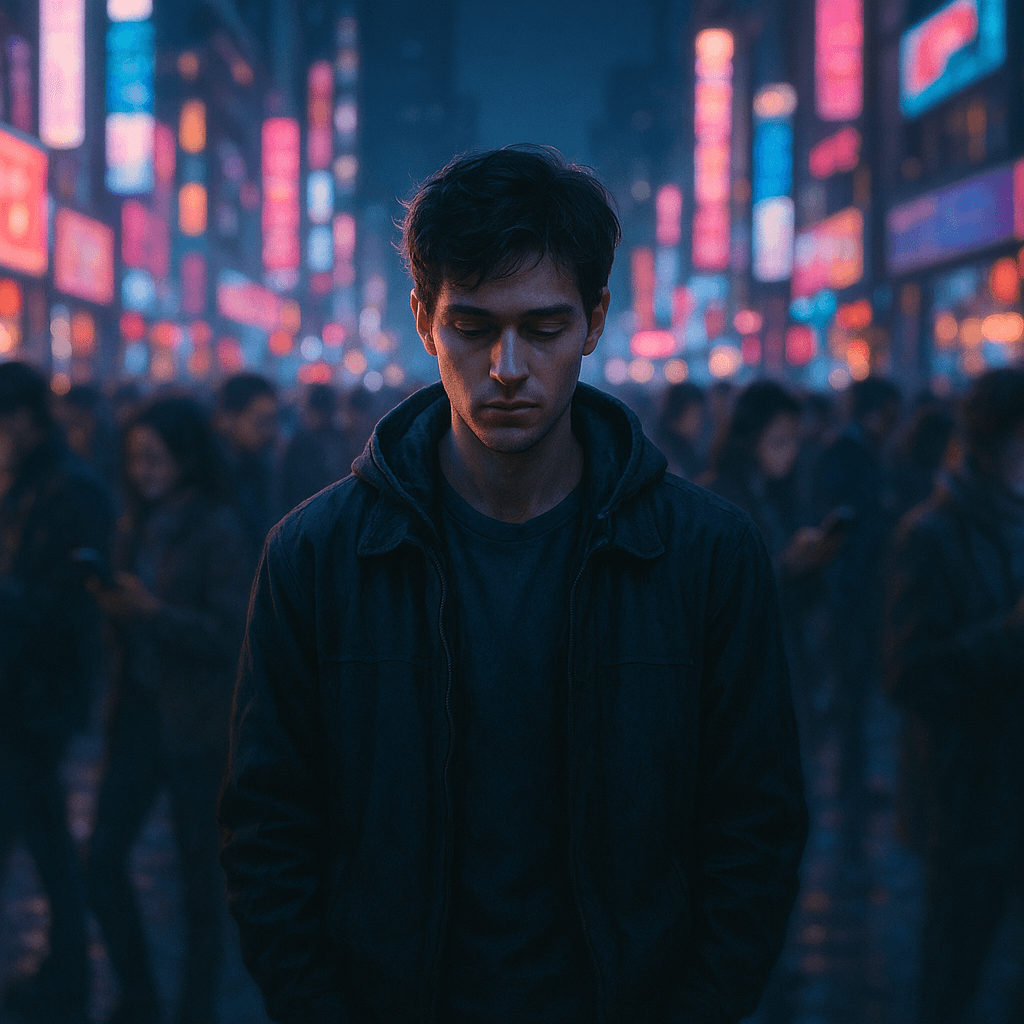
The world feels louder than ever.
Coffee shops buzz. Social feeds never sleep. Group chats multiply like rabbits. Everywhere he looks, someone is networking, posting, laughing in filtered photos. It’s a culture that celebrates charisma, rewards visibility, and quietly suggests that the more connected a person appears, the more fulfilled they must be.
But here’s the uncomfortable truth - being surrounded by noise doesn’t guarantee genuine connection.
The psychology of loneliness in an extraverted world is complicated. It’s layered. And honestly, it’s often misunderstood.
Why an Extraverted Culture Amplifies Isolation
Modern society treats extraversion like a gold medal trait. From job interviews to dating apps, confidence and sociability often take center stage. Quiet reflection? Not so much.
This bias shapes expectations:
- Outgoing people are seen as more competent.
- Busy social calendars are viewed as signs of success.
- Solitude is mistaken for sadness.
Sounds simple, right? Just be more social. Smile more. Say yes more.
Yet human connection isn’t a volume knob. Turning it up doesn’t automatically deepen it.
When a culture idolizes constant interaction, individuals who need meaningful one-on-one bonds - or who recharge alone - can feel out of sync. Like trying to dance to music they can’t quite hear.
The Hidden Layers of Loneliness
Isolation isn’t just about being physically alone. It’s about feeling unseen. Unheard. Unmet.
Psychologists often break it down into a few core experiences:
1. Emotional Disconnection
He might attend parties regularly, yet struggle to name one person he could call at 2 a.m. That gap - between proximity and intimacy - is where emotional emptiness grows.
2. Social Role Pressure
Some people perform sociability like it’s part of their job description. The “fun one.” The “strong one.” The “always available” friend. Over time, performance replaces authenticity.
3. Digital Substitution
Thousands of followers. Dozens of daily notifications. Still, something feels hollow. Online interaction can mimic closeness without delivering its depth - like fast food for the soul. Quick, convenient, but not exactly nourishing.
Have you ever wondered why someone can spend all day messaging and still feel strangely alone at night?
The Personality Factor - Not Everyone Feels It the Same Way
Here’s where things get interesting.
Not everyone experiences isolation equally. Personality shapes perception. Two people can attend the same event and walk away with completely different emotional outcomes.
Research from models like the Big Five - also known as OCEAN - shows that traits such as extraversion, neuroticism, and openness significantly influence social satisfaction. Someone high in extraversion may crave stimulation and feel depleted without it. Meanwhile, a more introverted individual might thrive in quiet settings but struggle under pressure to constantly engage.
That mismatch between inner wiring and outer expectation? It’s exhausting.
This is where platforms like lifematika.com become surprisingly useful. Instead of guessing why certain environments drain or energize a person, it offers a structured, research-based analysis. In just 95 questions - about 15 minutes - users receive a detailed report grounded in eight established psychological frameworks.
No fluff. No vague horoscope energy. Just data-backed insight.
The Eight Psychological Lenses That Matter
Understanding isolation requires more than a single label. It’s not just about being introverted or shy. Human behavior is multi-dimensional.
Lifematika integrates:
- OCEAN (Big Five) - Core personality traits.
- Jungian Typology - Cognitive preferences and energy direction.
- DISC - Communication and behavioral style.
- VIA Character Strengths - Natural virtues.
- Self-Determination Theory - Intrinsic motivation drivers.
- Schwartz’s Values Theory - Guiding principles behind choices.
- Emotional Intelligence - Ability to navigate feelings.
- Motivational Levels - Deep behavioral triggers.
Think of it like switching on multiple spotlights instead of using a single flashlight. The fuller picture changes everything.
Why Social Media Makes It Worse
Let’s be honest. Social platforms reward performance.
Algorithms push highlight reels. Engagement spikes when people appear energetic, adventurous, constantly surrounded by others. Rarely do feeds showcase quiet evenings spent reading or reflecting - even though those moments often bring genuine peace.
This creates comparison loops:
- “Everyone else has more friends.”
- “They’re always invited.”
- “I must be doing something wrong.”
Here’s a hot take - the problem isn’t necessarily lack of connection. It’s distorted perception.
When curated snapshots become the standard, ordinary human rhythms feel inadequate. And that’s a dangerous illusion.
The Biology Behind the Feeling
Isolation isn’t just emotional; it’s physiological.
Studies show that perceived social disconnection can increase stress hormones, disrupt sleep, and even affect immune response. The brain interprets prolonged isolation as a threat. Evolutionarily speaking, being separated from the group once meant danger.
So when someone feels cut off - even in a crowded room - the body may react with anxiety, irritability, or fatigue.
It’s not weakness. It’s wiring.
Practical Ways to Navigate an Extraverted World
No, the solution isn’t to withdraw completely. Nor is it to force endless social engagement.
Balance matters. Intention matters more.
1. Prioritize Depth Over Volume
Five surface-level conversations rarely equal one meaningful exchange. Seek quality. Invest in fewer, stronger bonds.
2. Understand Personal Energy Patterns
Some recharge alone. Others recharge together. Identifying which camp someone belongs to - and why - changes decision-making. Retaking assessments over time can also reveal growth or shifting needs.
3. Redefine “Normal”
Normal doesn’t mean loud. It doesn’t mean busy. It means aligned.
4. Develop Emotional Literacy
Emotional intelligence plays a critical role. Recognizing subtle feelings before they snowball into deeper distress allows earlier adjustment.
5. Protect Privacy and Reflection Space
Constant sharing erodes introspection. Protecting inner life builds resilience.
Self-Discovery as an Antidote
If you ask many psychologists, they’ll say awareness is half the battle.
When individuals understand their values, strengths, and motivational drivers, they stop chasing social expectations that don’t fit. They build lifestyles around compatibility rather than comparison.
That’s the quiet power of structured psychometric insight. A free start, no registration barrier, instant detailed reporting - tools like Lifematika remove friction from self-exploration. More than 1,000 users have already explored their psychological patterns, and the ability to retake the assessment after major life events offers something rare - measurable self-reflection.
Growth becomes observable instead of abstract.
Is Extraversion Really the Ideal?
Here’s an unpopular opinion - society doesn’t need everyone to be louder.
Innovation often emerges from reflection. Empathy deepens in stillness. Some of the most transformative ideas in history were born in solitude, not at crowded mixers.
The goal isn’t to replace extraversion with introversion. It’s to respect the spectrum.
Human diversity in personality functions like an ecosystem. Forests need towering trees and quiet undergrowth. Oceans rely on surface waves and unseen currents. Remove one element, and balance collapses.
Final Thoughts on Connection
The psychology of loneliness in an extraverted world reveals something profound - isolation isn’t always about absence. Sometimes it’s about misalignment.
When outer demands clash with inner design, friction appears. When individuals chase visibility instead of authenticity, emptiness lingers.
But clarity changes the narrative.
Understanding personality structure, motivational patterns, and emotional dynamics transforms confusion into strategy. It replaces vague dissatisfaction with informed adjustment.
And maybe - just maybe - the answer isn’t becoming louder.
Maybe it’s becoming more aligned.