The "Dark Triad" of Personality: What You Need to Know
 Yaro Pry··5 min read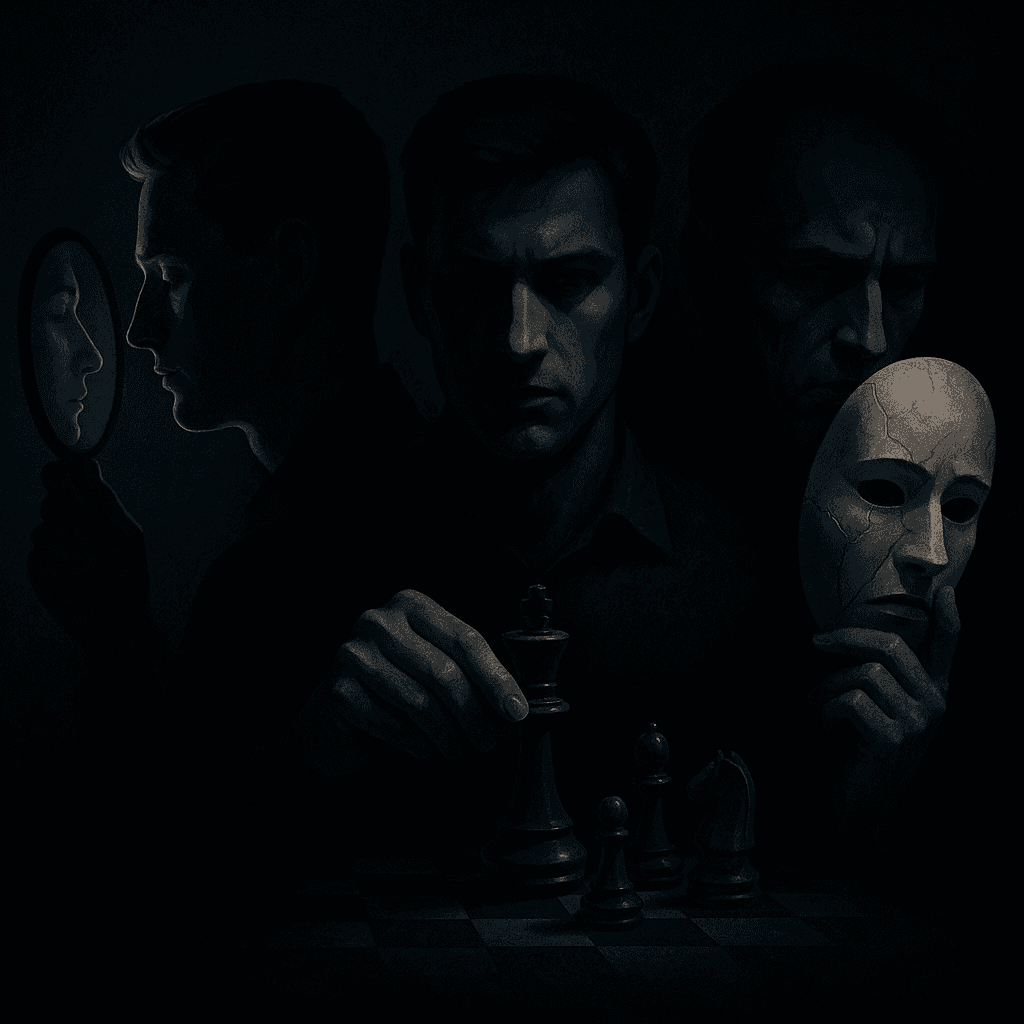
There’s something oddly fascinating about the darker side of human nature. Not the villain-in-a-movie kind of dark. The real kind. The subtle traits that show up in boardrooms, relationships, politics, and sometimes - uncomfortably - in the mirror. Psychologists call it the Dark Triad of personality. It sounds dramatic. Maybe even theatrical. But it’s grounded in serious research and very real behavior patterns. And here’s the kicker: understanding it isn’t about pointing fingers. It’s about awareness. Self-protection. Smarter decisions. So what exactly is the Dark Triad? Why does it matter? And how can someone spot these traits - in others or themselves? Let’s dig in.
What Is the Dark Triad?
The Dark Triad refers to three distinct but related personality traits:
- Narcissism
- Machiavellianism
- Psychopathy
Individually, each trait has its own characteristics. Together, they form a trio of socially aversive tendencies - charm mixed with manipulation, confidence layered over callousness. Think of it like a three-legged stool. Remove one leg, and the dynamic shifts. But when all three are present in high amounts, the personality structure becomes… complicated. Not everyone with these traits is a villain. That’s important. Personality exists on a spectrum. Most people fall somewhere in the middle. A dash of confidence. A sprinkle of self-interest. Completely normal. It becomes problematic when those traits dominate behavior and harm others.
Narcissism - The Mirror That Never Lies (Except It Does)
Narcissism revolves around grandiosity, a craving for admiration, and a strong sense of entitlement. At first glance, narcissistic individuals can seem magnetic. Confident. Charismatic. Driven. Who doesn’t like confidence? But here’s where things get tricky. Underneath that polished surface often lies:
- A fragile self-esteem
- Hypersensitivity to criticism
- A constant need for validation
- Limited empathy
Imagine building a house on sand. It may look impressive, but the foundation shifts with every wave of feedback. Healthy self-esteem says, "I’m capable." Pathological narcissism says, "I must be superior - and everyone needs to see it." There’s a difference.
Machiavellianism - Strategy Without Scruples
Named after Niccolò Machiavelli, this trait centers on manipulation, strategic calculation, and emotional detachment. If narcissism wants applause, Machiavellianism wants control. These individuals tend to:
- Plan several moves ahead
- Exploit situations for personal gain
- Use charm as a tool rather than an expression
- Remain emotionally cool under pressure
It’s chess, not checkers. And sometimes - it works. In competitive environments, strategic thinking and emotional restraint can look like leadership. The ethical line, however, is where the trouble begins. When people become pawns rather than partners, relationships turn transactional. Honestly, that’s exhausting to be around.
Psychopathy - The Absence of Emotional Brakes
Psychopathy is perhaps the most misunderstood of the three. It doesn’t automatically mean criminal behavior. Hollywood has done enough damage there. In personality psychology, psychopathy refers to:
- Low empathy
- Impulsivity
- Thrill-seeking
- Reduced guilt or remorse
Think of emotions as a braking system in a car. Most people slow down when they sense they might hurt someone. Psychopathic traits weaken that braking system. Actions happen first. Reflection - if it happens at all - comes later. In small doses, fearlessness and boldness can be adaptive. Surgeons need steady hands. Entrepreneurs need risk tolerance. But without empathy? The cost can be high.
Why the Dark Triad Matters in Real Life
This isn’t just academic theory tucked away in journals. Dark Triad traits show up in:
- Workplace dynamics
- Romantic relationships
- Leadership roles
- Online behavior
Ever worked with someone who took credit for team success but vanished when mistakes appeared? That could reflect narcissistic tendencies. Met someone who seemed charming but subtly pitted people against each other? Machiavellian strategy might be at play. Encountered a person who lies effortlessly and never seems bothered by it? That leans toward psychopathy. Recognizing patterns protects time, energy, and mental health. And here’s a hot take - sometimes the most important awareness isn’t about others. It’s about oneself.
Self-Reflection - The Uncomfortable but Powerful Step
Nobody enjoys discovering their flaws. Yet self-knowledge is like turning on the lights in a cluttered room. It might not look pretty at first, but at least now you can navigate without stumbling. Modern psychometric platforms make this process far more accessible than it used to be. Tools like lifematika.com offer a scientific personality assessment built on eight recognized psychological models - including OCEAN (Big Five), Jungian typology, DISC, Emotional Intelligence frameworks, and more. In about 15 minutes - just 95 questions - users receive a detailed report outlining strengths, behavioral patterns, and growth areas. No registration. Free to start. Fully confidential. That matters. Because understanding whether someone leans toward dominance, emotional detachment, or approval-seeking can shine a light on subtle Dark Triad tendencies before they escalate. Knowledge isn’t accusation. It’s calibration.
Why a Multi-Model Approach Makes a Difference
Personality is complex. Reducing it to a single label oversimplifies human behavior. Lifematika integrates:
- Big Five traits
- Jungian cognitive functions
- DISC communication styles
- Character strengths (VIA)
- Self-Determination Theory
- Schwartz’s values model
- Emotional Intelligence metrics
- Motivational level analysis
That’s not surface-level profiling. It’s layered insight. When someone understands their motivation drivers, value system, and emotional processing style, they gain leverage over their own darker impulses. And that’s powerful.
Can Dark Triad Traits Be Managed?
Yes - to a degree. Personality isn’t concrete. It’s more like clay. Some parts are firm. Others remain flexible. Research suggests:
- Self-awareness reduces manipulative tendencies
- Empathy training increases emotional responsiveness
- Mindfulness lowers impulsivity
- Clear feedback curbs grandiosity
Change doesn’t happen overnight. It rarely does. But small adjustments compound over time. Like steering a ship - a slight turn today leads to a completely different destination months later.
Red Flags vs. Normal Traits
Here’s where nuance matters. Confidence isn’t narcissism. Strategic thinking isn’t Machiavellian by default. Boldness isn’t psychopathy. The difference lies in empathy, ethics, and impact on others. A useful mental checklist:
- Do actions consistently harm people?
- Is there remorse after mistakes?
- Are relationships reciprocal or one-sided?
- Is honesty flexible when convenient?
Patterns tell the story. One isolated incident? Human. A repeated cycle? That’s when attention is warranted.
The Bigger Picture - Light and Shadow
Carl Jung once wrote about the "shadow" - the unconscious part of personality that contains repressed weaknesses and instincts. The Dark Triad sits comfortably in that shadow space. Ignoring it doesn’t eliminate it. Understanding it integrates it. Every personality contains both light and darkness. Ambition and empathy. Self-interest and generosity. Confidence and humility. The goal isn’t perfection. It’s balance. And if someone genuinely wants to understand where they stand - beyond guesswork, beyond pop psychology - structured self-assessment tools grounded in research can offer clarity that casual reflection simply can’t. Curiosity about personality isn’t vanity. It’s responsibility. Because the better someone understands their motivations, emotional patterns, and behavioral tendencies, the less likely they are to let their darker traits steer the wheel. And that, if you ask me, is the real takeaway. Not fear of the Dark Triad. Awareness of it. Big difference.