The Connection Between Personality and Depression
 Yaro Pry··5 min read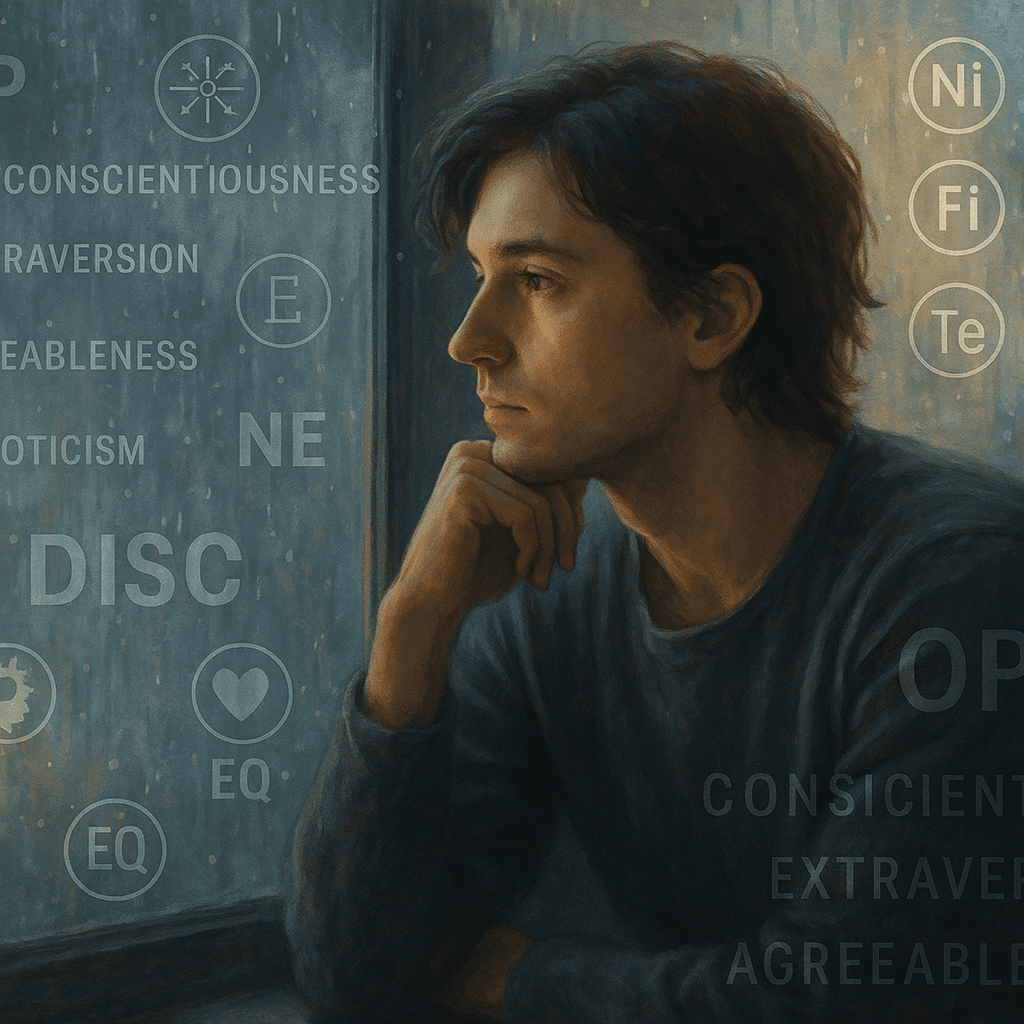
Depression doesn’t show up the same way for everyone. For one person, it’s a heavy fog that refuses to lift. For another, it’s quiet numbness - a strange absence of feeling where joy used to live. And here’s the part many people overlook: personality plays a bigger role in depression than most realize. Is depression purely chemical? Is it situational? Or is it stitched into the deeper fabric of who someone is? Honestly, it’s rarely just one thing. Personality traits shape how people interpret stress, respond to failure, build relationships, and process emotions. In other words, personality can either act like armor… or like dry wood waiting for a spark. Let’s unpack this connection carefully.
How Personality Influences Mental Health
Think of personality as the operating system of the mind. It runs quietly in the background, shaping reactions before conscious thought even kicks in. When life throws curveballs - job loss, breakups, rejection, uncertainty - personality influences whether someone bends, breaks, or rebuilds. Certain traits make individuals more vulnerable to depressive episodes. Others act as protective buffers. Sounds simple, right? It isn’t. Human psychology is layered. Traits interact with environment, childhood experiences, biology, and current stress levels. But research consistently shows patterns worth paying attention to.
The Big Five and Depression Risk
One of the most widely accepted models in psychology is the OCEAN framework - also known as the Big Five personality traits. These five dimensions offer a powerful lens for understanding depression risk. Here’s how they connect:
- Neuroticism: High levels strongly correlate with depression. Individuals high in neuroticism tend to experience intense negative emotions and prolonged rumination.
- Extraversion: Lower levels often link to depressive symptoms. Social withdrawal can both cause and result from low mood.
- Conscientiousness: Lower conscientiousness sometimes aligns with difficulty maintaining routines, which can worsen mental health.
- Agreeableness: Extreme agreeableness may lead to self-neglect or suppressed resentment.
- Openness: This trait has a more complex relationship, sometimes buffering creativity and adaptability, sometimes amplifying existential reflection.
High neuroticism, in particular, acts like a magnifying glass for stress. Small problems feel enormous. Minor criticism feels catastrophic. The mind loops and loops and loops. Exhausting, isn’t it?
Jungian Typology and Emotional Processing
Carl Jung’s theory of cognitive functions adds another layer. Introversion and extraversion are only the beginning. The deeper question becomes: how does someone process information and make decisions? For example:
- Feeling-oriented individuals may internalize relational conflict deeply.
- Thinking-dominant personalities might suppress emotion until it surfaces as burnout.
- Intuitive types can spiral into overanalysis and future-based worry.
- Sensing types may struggle when routines collapse.
Depression often grows in the gap between internal processing and external demands. When someone’s natural style clashes with their environment - say, a reflective introvert in a hyper-social workplace - the friction builds slowly. Like a shoe that almost fits. Not painful at first. But walk far enough and blisters appear.
Behavioral Styles and Communication Patterns
The DISC assessment highlights another important dimension - behavior under pressure. Consider these patterns:
- High Dominance: May mask sadness with irritability or control.
- High Influence: Might hide depressive feelings behind humor or charisma.
- High Steadiness: Can avoid confrontation and silently absorb stress.
- High Conscientiousness: Often battles perfectionism and fear of mistakes.
Perfectionism, especially, deserves attention. When self-worth ties directly to performance, setbacks hit harder. A missed goal doesn’t feel like a mistake. It feels like personal failure. And that mindset is fertile ground for depressive thinking.
Values, Motivation, and Emotional Well-Being
Here’s a hot take: depression isn’t always about weakness. Sometimes it’s about misalignment. When someone’s core values clash with their daily reality, distress grows. Schwartz’s theory of basic human values shows that individuals prioritize different guiding principles - achievement, security, freedom, connection, tradition, stimulation. Now imagine someone who deeply values creativity stuck in a rigid, repetitive role. Or a person who prioritizes connection living in isolation. Over time, that mismatch can erode vitality. Self-Determination Theory sharpens this idea further. Humans need three psychological nutrients:
- Autonomy
- Competence
- Relatedness
When these needs go unmet, motivation drops. Mood follows. It’s like trying to grow a plant without sunlight. No matter how resilient the seed, it struggles.
Emotional Intelligence as a Protective Factor
Emotional intelligence - the ability to recognize, understand, and regulate emotions - often acts as a buffer against depression. People with higher emotional awareness can:
- Identify early warning signs of burnout
- Communicate distress effectively
- Seek support before crisis escalates
- Reframe negative thoughts more constructively
Those who struggle in this area may feel overwhelmed by emotions they can’t name. And unnamed emotions are powerful. They blur into shame, guilt, irritability, or numbness. Awareness doesn’t eliminate sadness. But it gives language to it. Language reduces chaos.
Can Personality Change - And Does It Matter?
Here’s the question many quietly ask: if certain traits increase depression risk, is someone stuck with them? Not exactly. Personality isn’t cement. It’s more like clay - structured, yes, but still adaptable. Research shows traits shift gradually across life, especially after major events or intentional effort. Someone high in neuroticism can develop stronger coping tools. An introverted individual can build meaningful social systems without becoming someone else. A perfectionist can learn self-compassion. The key is awareness. And that’s where structured personality assessment becomes valuable.
Understanding Yourself Through Scientific Assessment
Guesswork rarely leads to clarity. Vague self-labels like “overthinker” or “too sensitive” don’t provide actionable insight. A scientifically grounded framework does. Platforms like lifematika.com offer a comprehensive psychometric assessment built on eight recognized psychological models, including:
- OCEAN Big Five traits
- Jungian typology
- DISC behavioral styles
- VIA character strengths
- Self-Determination Theory
- Schwartz’s values theory
- Emotional intelligence measures
- Motivational level analysis
The test includes 95 questions and takes roughly 15 minutes. No registration required. Free to start. Immediate results. More importantly, it provides a detailed analytical report highlighting strengths, behavioral patterns, motivational drivers, and potential growth areas. For someone wondering how personality connects to mood patterns, that level of insight can feel like switching on a light in a dark room. Suddenly, patterns make sense.
When to Seek More Than Self-Discovery
Let’s be clear. Personality assessment is not a substitute for therapy or medical treatment. If someone experiences persistent sadness, hopelessness, sleep disruption, appetite changes, or thoughts of self-harm, professional support is essential. But self-knowledge complements treatment beautifully. Therapy becomes more precise when individuals understand their default coping style. Conversations deepen when values are clear. Growth accelerates when strengths are identified alongside vulnerabilities.
Breaking the Stigma Around Personality and Depression
Some people fear that linking personality to depression means blaming the individual. That’s not the point. Recognizing patterns isn’t about fault. It’s about leverage. If high sensitivity increases emotional depth, it also increases empathy. If introspection raises rumination risk, it also enhances self-awareness. Every trait carries dual potential. The goal isn’t to erase personality. It’s to work with it. Like sailing. Wind can capsize a boat - or carry it forward. The sailor adjusts the sail, not the weather.
Practical Steps for Protecting Mental Health
For those exploring the link between personality and depression, consider these steps:
- Identify core traits. Use validated assessments rather than assumptions.
- Map triggers. Notice which environments drain energy versus restore it.
- Strengthen protective habits. Routine, exercise, sleep, connection.
- Build emotional vocabulary. Name feelings precisely.
- Seek alignment. Adjust work, relationships, or goals to better match core values.
Small shifts compound over time.
Final Thoughts on Personality and Depression
Depression is complex. Biological factors matter. Circumstances matter. Trauma matters. But personality matters too. It shapes perception, resilience, motivation, and relationships. It influences how setbacks are interpreted and how support is received. Ignoring personality in conversations about mental health is like ignoring terrain when planning a road trip. Understanding one’s psychological landscape doesn’t eliminate storms. Yet it provides a map. And a map, even in rough weather, changes everything.