Meditation and the Big Five: What Works for You?
 Yaro Pry··4 min read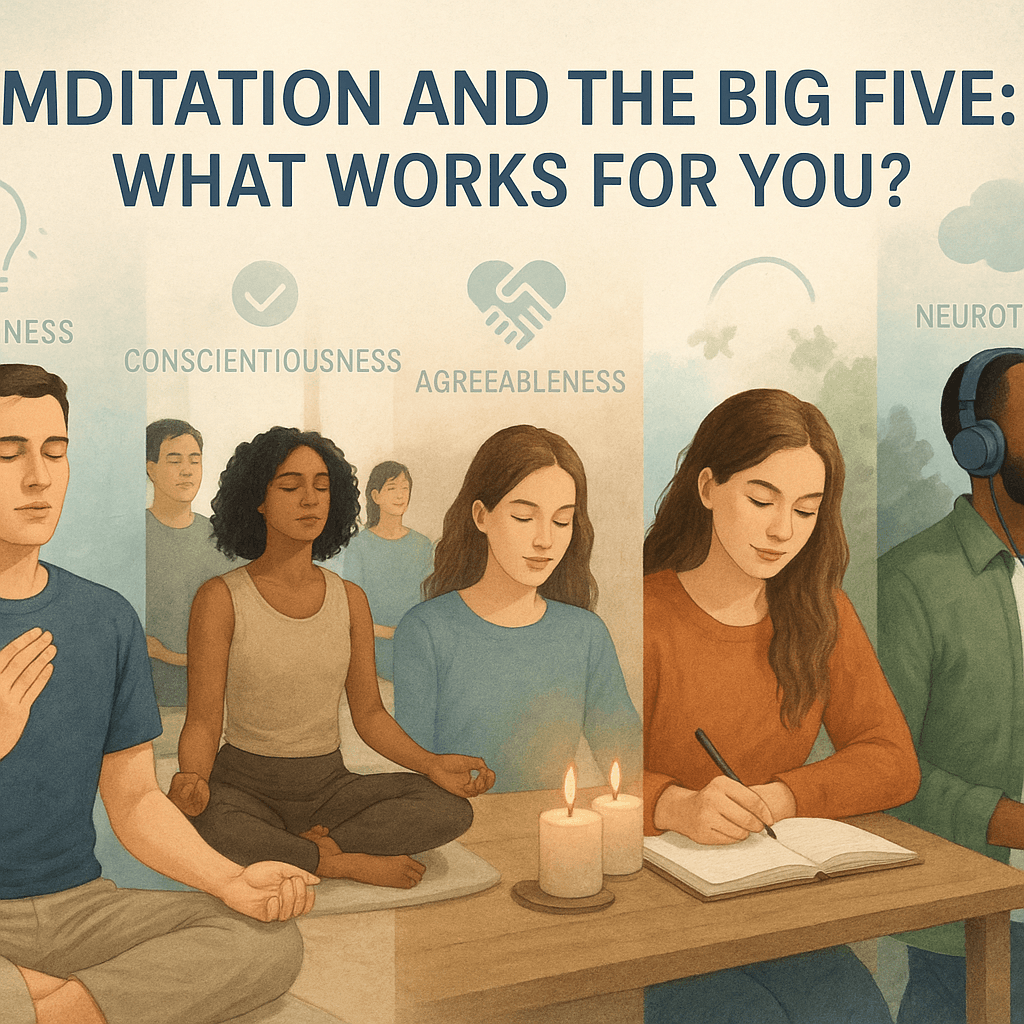
Meditation advice is everywhere. Breathe in. Breathe out. Clear your mind. Sit still for twenty minutes and - somehow - become enlightened.
Sounds simple, right?
But here’s the uncomfortable truth: meditation is not one-size-fits-all. What feels like bliss to one person can feel like psychological torture to another. And the missing link often comes down to personality.
This is where the Big Five personality traits - also known as OCEAN - step into the spotlight. When someone understands how Openness, Conscientiousness, Extraversion, Agreeableness, and Neuroticism shape their inner world, meditation stops feeling like guesswork and starts feeling personal.
If you ask many seasoned psychologists, the key to sustainable mindfulness is alignment. The right practice for the right mind.
Why Personality Matters in Meditation
Imagine handing the same workout plan to a marathon runner and someone who prefers yoga. Technically, both can follow it. But will both thrive? Probably not.
Meditation works the same way. Some people crave structure. Others need freedom. Some want silence. Others process life through movement or sound.
The Big Five model - one of the most scientifically supported frameworks in modern psychology - offers a practical lens for understanding these differences. And platforms like lifematika.com make it surprisingly accessible. In about 15 minutes and 95 thoughtfully designed questions, users receive a detailed personality analysis built on eight respected psychological models. No registration hoops. Instant results. Complete privacy.
That kind of insight changes the meditation game entirely.
The Big Five and Your Ideal Meditation Style
1. Openness to Experience - The Explorer Mind
People high in Openness are curious, imaginative, and drawn to new ideas. Routine bores them. Repetition? Only if it feels meaningful.
For this personality profile, rigid breath-counting may feel stale after a week. They thrive with:
- Guided visualizations
- Loving-kindness meditation
- Philosophical contemplation practices
- Music-based or sound bath sessions
These approaches stimulate imagination. They feel expansive. Almost like mental travel.
On the flip side, individuals lower in Openness often prefer grounded, predictable techniques. Simple breath awareness. Body scans. Clear instructions. Nothing too abstract.
And that’s perfectly fine. Meditation does not need to feel mystical to be effective.
2. Conscientiousness - The Structured Achiever
Highly conscientious individuals love plans. Checklists. Measurable progress.
For them, meditation works best when it becomes a scheduled habit. Same time. Same place. Clear duration.
They often benefit from:
- Timer-based sessions
- Habit tracking apps
- Goal-oriented mindfulness programs
- Structured courses with milestones
Consistency is their superpower.
Meanwhile, people lower in Conscientiousness may struggle with rigid expectations. If meditation feels like another task on a never-ending to-do list, resistance builds fast. Flexible, shorter practices work better. Five mindful minutes during a walk. A breathing pause before sleep. Gentle integration rather than strict discipline.
Here’s a hot take: forcing structure on a free-spirited personality often kills the habit entirely.
3. Extraversion - Energy Inward or Outward?
Extraverts recharge through interaction. Silence can feel loud to them.
Group meditation sessions, community classes, or guided recordings with a strong teacher presence often resonate deeply. The shared energy keeps them engaged.
Solo, silent retreats? Not always ideal - at least not at first.
Introverts, by contrast, may find group settings overstimulating. They prefer:
- Quiet, solitary practice
- Minimal external input
- Longer reflection periods
For them, meditation becomes a private sanctuary. A reset button hidden from the noise of the world.
Have you ever noticed how some people leave a workshop energized while others look drained? Personality explains a lot of that.
4. Agreeableness - The Compassion Connector
Highly agreeable individuals are empathetic and relationship-focused. They often respond strongly to practices centered on kindness and compassion.
Loving-kindness meditation. Gratitude reflection. Compassion exercises.
These techniques feel natural - almost intuitive.
Those lower in Agreeableness may prefer more analytical or performance-based approaches. Mindfulness framed as cognitive training. Emotional regulation as skill-building. Less emphasis on warmth, more on clarity.
Neither is better. They simply reflect different motivational drivers.
5. Neuroticism - Navigating Emotional Intensity
This trait often carries stigma, but it shouldn’t. Higher Neuroticism simply means stronger emotional reactivity and sensitivity to stress.
For these individuals, meditation can be transformative - but only if introduced carefully.
Jumping into long silent sessions may amplify anxious thoughts. Instead, grounding practices help:
- Short, guided breathing exercises
- Progressive muscle relaxation
- Body-focused awareness
- Emotion labeling techniques
Gradual exposure builds confidence.
Those lower in Neuroticism might find it easier to sit with discomfort. They can explore longer sessions earlier without feeling overwhelmed.
The key insight? Emotional intensity shapes how meditation feels in the body.
How to Discover Your Personality Profile
Guessing rarely works. People often misjudge their own traits. That’s why structured assessment matters.
lifematika.com combines the Big Five with seven additional psychological frameworks - including Jungian typology, DISC behavior mapping, emotional intelligence, motivational drivers, and core values theory. The result is not a shallow label but a layered personality portrait.
It takes around 15 minutes. Ninety-five focused questions. Immediate, detailed feedback. Users can retake it anytime to track growth after major life events or mindset shifts.
More than 1,000 people have already explored their profiles on the platform. And because it operates without mandatory registration and protects data strictly for personal reporting, the experience feels refreshingly safe.
Understanding personality through a scientific lens is like switching from a blurry mirror to high-definition glass. Suddenly, patterns make sense.
Matching Meditation to Motivation
Here’s where things get interesting.
The Self-Determination Theory component within Lifematika examines intrinsic motivation - autonomy, competence, and relatedness. When meditation aligns with these drivers, consistency skyrockets.
For example:
- If autonomy is strong, self-designed meditation routines work best.
- If competence matters most, skill-building mindfulness appeals.
- If relatedness leads, group or partner practice sustains engagement.
It’s like tuning an instrument. When personality and practice resonate, the sound becomes clear instead of strained.
Common Meditation Mistakes - And Why They Happen
Many beginners quit because they believe:
- They are "bad" at meditation.
- Their mind is too busy.
- They lack discipline.
Often, the real issue is mismatch.
A highly extraverted person forcing silent isolation. A low-conscientiousness personality trying to follow a rigid 30-day challenge. A highly anxious individual diving into unstructured stillness.
That’s not failure. That’s poor fit.
Honestly, understanding personality feels like receiving the instruction manual that should have come with meditation apps in the first place.
The Future of Personalized Mindfulness
The wellness world is shifting. Generic advice is losing ground. Personalized, data-informed growth is rising.
Scientific psychometrics now blend with mindfulness practices in ways that feel both practical and empowering. Instead of copying someone else’s morning ritual, individuals can design their own based on measurable traits and motivations.
It’s a smarter path.
And perhaps a kinder one.
Because meditation should not feel like squeezing into someone else’s mental mold. It should feel like coming home to one’s own mind.
So the real question becomes: what actually works for you?
The answer may already be written in your personality profile. The only step left is discovering it.