Learning to Say No: A Guide for High-Agreeableness People
 Yaro Pry··5 min read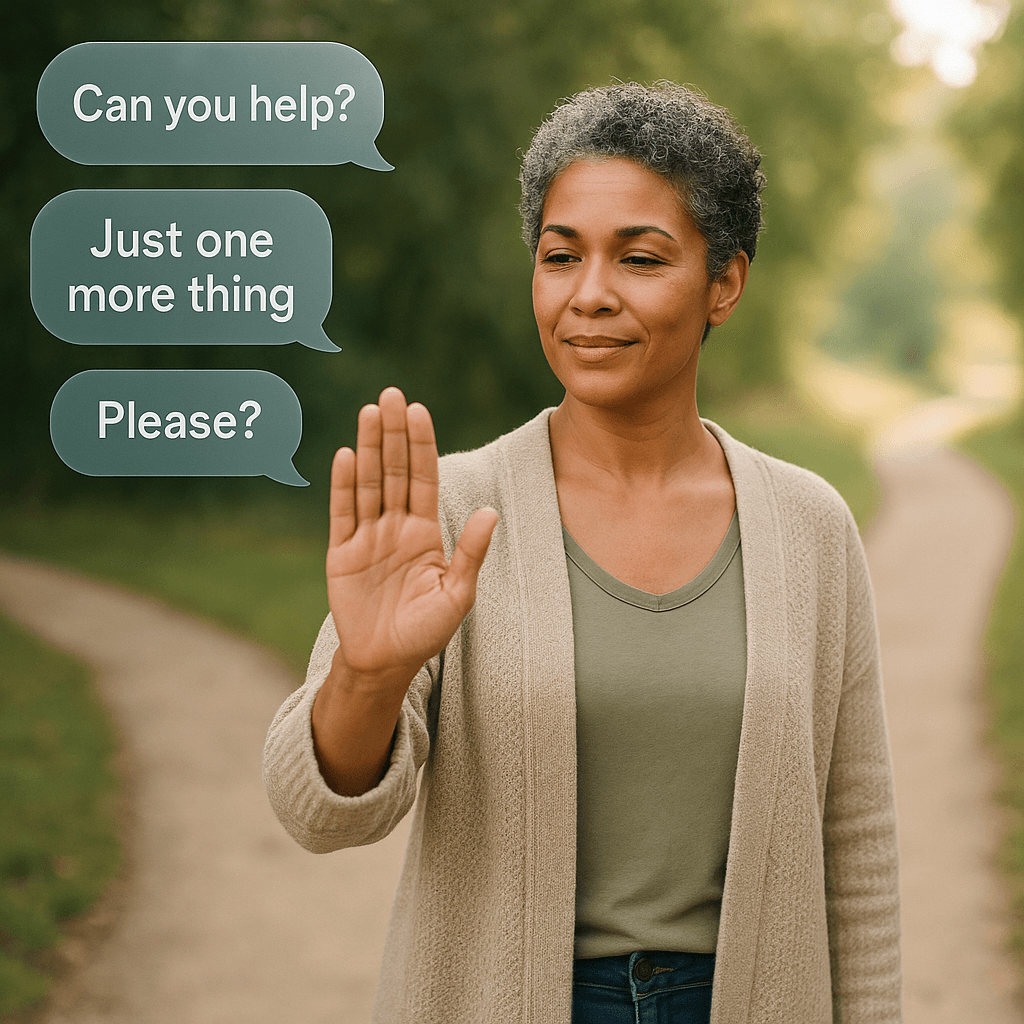
High-agreeableness sounds like a compliment. And it is - mostly. People who score high on agreeableness tend to be warm, cooperative, compassionate, and easy to get along with. They smooth conflict. They listen. They care. In a world that can feel sharp-edged and impatient, they are the soft landing. But here’s the uncomfortable truth: being highly agreeable can quietly sabotage personal boundaries. At some point, the constant yes becomes heavy. Resentment creeps in. Energy drains. And the person who wants harmony above all else starts feeling out of sync with themselves. So how does someone kind, empathetic, and conflict-averse learn to say no - without feeling like a villain? Let’s unpack it.
Why High-Agreeable People Struggle to Say No
Agreeableness is one of the Big Five personality traits - often called OCEAN in psychology. It measures cooperation, trust, empathy, and concern for others. High scorers genuinely value connection. That’s beautiful. It’s also complicated. When someone deeply values harmony, saying no can feel like:
- Disappointing others
- Creating tension
- Appearing selfish
- Risking rejection
Even small refusals can trigger outsized anxiety. A declined invitation. A delayed favor. A boundary around workload. Each one feels like pulling a thread in a carefully woven social fabric. Sounds dramatic? Maybe. But for highly agreeable personalities, the emotional cost feels real. And here’s the catch - they often don’t notice the buildup until they’re exhausted.
The Hidden Cost of Always Saying Yes
Constant agreement may keep external peace. Internally, though, it can create friction. Overcommitment becomes the norm. Personal goals slide down the priority list. Sleep shortens. Stress rises. Eventually, something cracks. Common signs include:
- Feeling overwhelmed but unable to decline requests
- Quiet resentment toward people they care about
- Difficulty identifying personal needs
- Burnout disguised as "being busy"
Here’s a hot take: resentment is often a boundary that wasn’t set. High-agreeable individuals rarely intend to overextend themselves. They simply default to cooperation. It’s automatic. Like muscle memory. The problem isn’t kindness. It’s imbalance.
Understanding Your Personality Before Changing It
Before someone rewires lifelong patterns, they need clarity. Not guesswork. Not vague self-help slogans. A structured psychometric assessment can help illuminate the full personality profile - not just agreeableness, but motivation, emotional intelligence, values, and communication style. Platforms like lifematika.com offer a 95-question scientific personality assessment that takes about 15 minutes. No registration. Free to start. Instant results. What makes it interesting is the integration of eight established psychological models at once - including:
- OCEAN Big Five traits
- Jungian typology
- DISC behavioral styles
- VIA character strengths
- Self-Determination Theory
- Schwartz’s values framework
- Emotional intelligence metrics
- Motivational drivers
Why does that matter? Because high agreeableness alone doesn’t tell the full story. Someone might be cooperative but also highly conscientious. Or empathetic yet strongly value autonomy. Those combinations change how boundaries should be built. Self-awareness is the foundation. Without it, change feels like guesswork in the dark.
Reframing "No" as a Relationship Skill
Here’s where perspective shifts everything. Saying no isn’t rejection. It’s information. When someone declines respectfully, they communicate limits. Clear limits create predictability. Predictability builds trust. Counterintuitive? Maybe. But consider this: Would you rather work with someone who says yes reluctantly and underperforms, or someone who sets honest expectations upfront? Exactly. Boundaries are not walls. They’re fences with gates. They show where responsibility begins and ends. Highly agreeable people often imagine that refusal equals conflict. In reality, vague commitments cause more friction than clear declines.
A Simple Mental Shift
Instead of asking: "Will they be upset if I say no?" Try asking: "What happens to me if I say yes?" That one question changes the equation.
Practical Strategies for Saying No (Without Guilt)
Theory is helpful. Practice is better. Here are grounded, realistic approaches:
1. Use the Pause Technique
High-agreeable individuals often respond instantly. Automatic yes. Insert a pause. Try phrases like:
- "Let me check my schedule."
- "I need to think about that."
- "Can I get back to you tomorrow?"
A pause creates space between request and response. Space allows intention.
2. Start with Appreciation, Not Apology
Many people default to: "I’m so sorry, I can’t..." Instead, try: "I appreciate you thinking of me. I won’t be able to take this on right now." Notice the difference? It’s firm. Respectful. Not self-degrading.
3. Offer Alternatives - When Appropriate
Sometimes a full no isn’t necessary. Examples:
- "I can’t help this weekend, but I’m free next Tuesday."
- "I can’t lead the project, but I can review the draft."
Boundaries don’t require total withdrawal. They require clarity.
4. Practice Discomfort Tolerance
Let’s be honest. Saying no may feel awkward at first. That tension? It’s growth. High-agreeable personalities are wired to detect social friction quickly. But not every uncomfortable moment signals danger. Sometimes it simply signals change. Learning to sit with mild discomfort is like building a muscle. Weak at first. Stronger over time.
5. Separate Identity from Behavior
Declining a request does not mean becoming unkind. Kindness is a trait. Overextension is a behavior. Those two are not the same.
Balancing Empathy with Self-Respect
Empathy is a gift. It allows someone to sense needs before they’re spoken. Yet empathy without boundaries becomes emotional labor. Healthy balance looks like this:
- Understanding others’ feelings
- Recognizing personal limits
- Communicating both clearly
It’s not selfish to consider personal bandwidth. It’s sustainable. And sustainability matters. High-agreeable individuals often thrive when their actions align with their core values. Tools grounded in frameworks like Schwartz’s values theory or Self-Determination Theory can reveal whether people-pleasing actually supports autonomy, competence, and meaning - or quietly erodes them. Insight changes behavior.
When Agreeableness Becomes a Superpower
Here’s the part that often gets overlooked. High agreeableness, when paired with boundaries, becomes leadership fuel. Imagine someone who:
- Listens deeply
- Communicates clearly
- Respects their own limits
- Acts from values, not fear
That’s not passive. That’s powerful. In team settings, such individuals create psychological safety. In relationships, they model mutual respect. In personal growth, they move from reactive compliance to intentional choice. The goal isn’t to become less kind. It’s to become selectively kind.
Tracking Personal Growth Over Time
Change doesn’t happen overnight. Personality traits remain relatively stable, but behavior patterns can evolve. One underrated strategy is reassessment. Taking a scientifically grounded personality evaluation periodically - especially after major life events - helps measure growth. Because growth is rarely obvious day-to-day. Platforms like lifematika allow users to retake the assessment and compare shifts in motivation, emotional awareness, and behavioral tendencies. Over 1,000 users have already explored their profiles, using data as a mirror. And sometimes a mirror tells the truth more clearly than memory.
The Bottom Line
Learning to say no isn’t about becoming colder. It’s about becoming clearer. For high-agreeableness individuals, the journey involves:
- Understanding their personality structure
- Reframing refusal as healthy communication
- Practicing small, consistent boundary-setting
- Tolerating short-term discomfort for long-term balance
Kindness doesn’t require self-erasure. Harmony doesn’t require self-sacrifice. And sometimes, the most generous word a highly agreeable person can say is a calm, steady, unapologetic no. Simple. Not easy. But absolutely worth it.