How Teachers Can Use Psychometrics to Help Students
 Yaro Pry··5 min read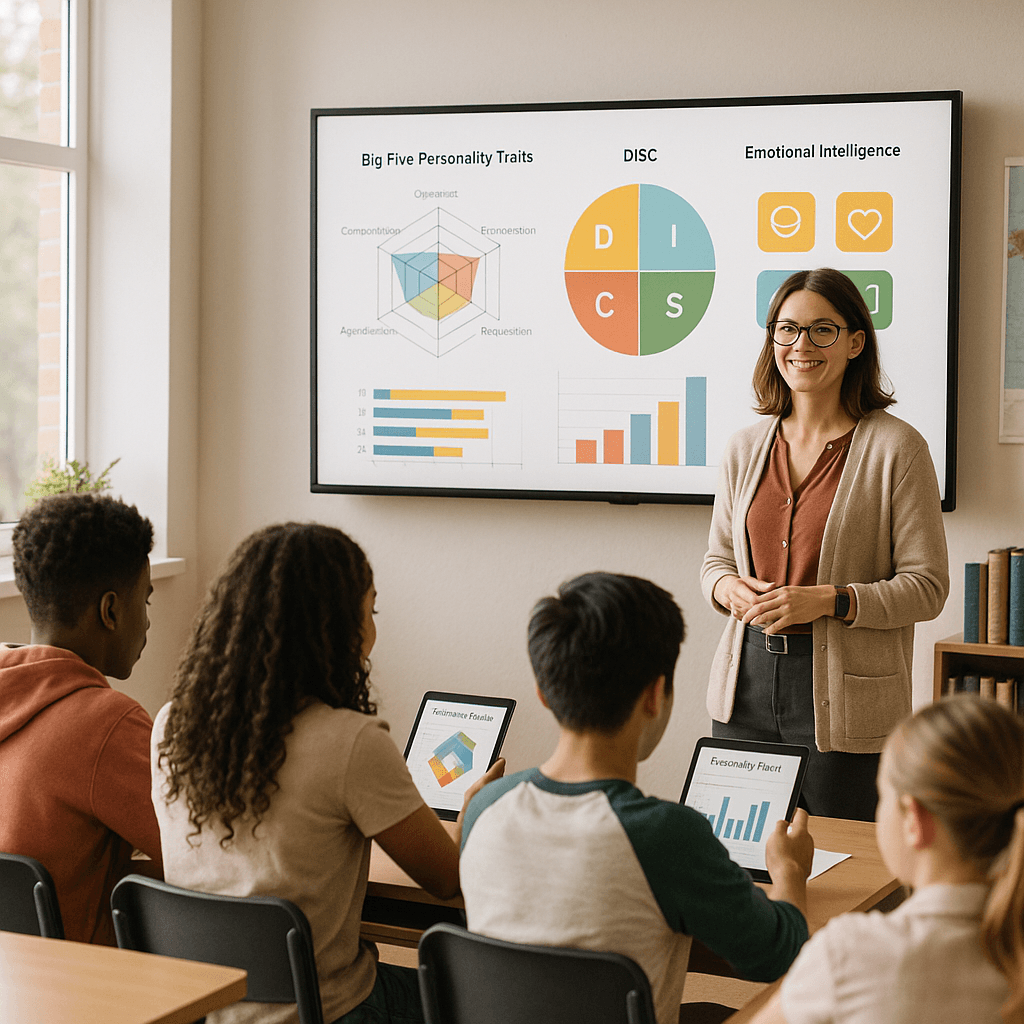
Classrooms have changed. Students haven’t. They still walk in carrying invisible backpacks - stuffed with hopes, insecurities, raw talent, and quiet confusion about who they are. The difference today? Teachers have better tools to understand what’s inside those backpacks. Psychometrics is one of those tools. And if you ask many experienced educators, it might be the missing piece between "good teaching" and truly transformational teaching. Let’s unpack this properly.
What Is Psychometrics - And Why Should Teachers Care?
Psychometrics sounds technical. Almost clinical. But at its core, it’s simple: the science of measuring personality traits, motivations, strengths, and behavioral patterns. Think of it as a compass. A teacher can guess which direction a student is heading. Or they can use data-driven insight to guide them with precision. Modern psychometric platforms like lifematika.com make this accessible. No bulky paperwork. No weeks of interpretation. Just structured questions - 95 of them - completed in about 15 minutes, followed by an instant analytical report grounded in eight established psychological frameworks. Sounds simple, right? But the implications inside a classroom are huge.
Why Personality Insight Matters in Education
Every teacher has seen it. One student thrives during debates but freezes during written exams. Another writes brilliant essays yet avoids group discussions. A third follows instructions perfectly but hesitates when asked to lead. Without insight, these differences can look like motivation problems. Or discipline issues. Or worse - lack of ability. With psychometric understanding, they look like personality patterns. That shift changes everything.
Here’s What Teachers Gain
- Clarity - Why certain students resist specific tasks.
- Precision - How to adapt communication styles.
- Fairness - Evaluating potential beyond surface behavior.
- Empathy - Understanding emotional triggers and motivators.
Instead of teaching one class, educators start teaching 25 individuals. And that’s powerful.
The 8 Psychological Models - Why a Holistic Approach Works
Not all personality tools are equal. Some focus only on traits. Others only on behavior. The real magic happens when multiple validated models intersect. Platforms like Lifematika combine eight major psychological methodologies simultaneously. That matters. Let’s break down why each one is relevant in a school setting.
1. OCEAN - The Big Five Personality Traits
This model measures openness, conscientiousness, extraversion, agreeableness, and neuroticism. In practice? - High conscientiousness students may excel in structured environments. - High openness learners thrive in creative assignments. - High neuroticism students might need stronger emotional reassurance. A teacher who understands this doesn’t mislabel sensitivity as weakness.
2. Jungian Typology
Introvert versus extrovert isn’t about shyness. It’s about energy flow. Group work energizes some students. It drains others. Knowing this helps educators balance participation expectations without forcing personalities into molds.
3. DISC Behavioral Styles
Dominance, Influence, Steadiness, Conscientiousness. This framework explains classroom dynamics almost instantly. That outspoken student who challenges instructions? Possibly high Dominance. The peacemaker in group conflicts? Likely high Steadiness. Instead of punishment, teachers can redirect strengths.
4. VIA Character Strengths
This is where education meets humanity. Curiosity. Perseverance. Kindness. Leadership. When teachers identify core virtues, they can nurture them intentionally. Imagine designing assignments that amplify a student’s natural strengths instead of constantly fixing weaknesses.
5. Self-Determination Theory
Students are motivated by autonomy, competence, and relatedness. If one of these is missing, engagement drops. Psychometric insights help teachers detect which need isn’t being met.
6. Schwartz’s Values Theory
Values guide decisions. Some students prioritize achievement. Others value harmony. Others crave independence. When classroom rules clash with personal values, friction happens. Understanding this reduces unnecessary conflict.
7. Emotional Intelligence
Emotional regulation affects everything - test performance, peer relationships, feedback response. Teachers who understand a student’s emotional profile can frame feedback in ways that build resilience instead of defensiveness.
8. Motivational Levels
Why does one student push relentlessly while another stops at "good enough"? Motivation isn’t random. It has structure. When educators identify underlying drivers, they can design incentives that actually work.
Practical Ways Teachers Can Apply Psychometrics
Theory is great. Classrooms are messy. So how does this translate into daily practice?
1. Personalized Learning Strategies
Instead of one-size-fits-all instruction, teachers can:
- Offer flexible assignment formats - written, visual, oral.
- Adjust collaboration requirements based on energy styles.
- Provide autonomy for students high in independence values.
- Create structured checklists for highly conscientious learners.
Small tweaks. Big difference.
2. Better Career Guidance
Students constantly ask, "What should I do with my life?" Guesswork isn’t guidance. Psychometric reports from platforms like lifematika.com provide detailed personality analysis immediately after completion - no registration barriers, fully confidential, and reusable over time. With over 1,000 users already engaging the platform, it’s clear there’s demand for deeper self-understanding. Teachers can use these insights during mentorship sessions to align subject strengths with career paths realistically. Not based on trends. Based on temperament.
3. Conflict Resolution in the Classroom
Have you ever noticed how certain students clash repeatedly? Often it’s behavioral style mismatch. A high-Dominance student may overwhelm a high-Steadiness peer. An analytical thinker may frustrate a spontaneous collaborator. Understanding these dynamics turns discipline conversations into developmental coaching.
4. Supporting Mental Well-Being
Anxiety, burnout, disengagement - these don’t appear overnight. Personality profiles can highlight vulnerability patterns early. Students high in neuroticism or low in emotional regulation may benefit from proactive support before academic performance drops. Prevention beats repair. Every time.
Addressing Privacy and Ethics
Here’s the uncomfortable question: Is it safe? It should be. Ethical psychometric use requires:
- Voluntary participation.
- Transparent purpose explanation.
- Strict confidentiality.
- Use for development - not labeling.
Lifematika emphasizes full data privacy, using responses solely to generate personal reports. No unnecessary data storage games. That matters, especially in educational environments. Students must feel empowered, not analyzed under a microscope.
The Risk of Ignoring Personality Data
Here’s a hot take. Standardized education without personality insight is like prescribing the same glasses to every student and hoping they all see clearly. Some will. Many won’t. And when they struggle, the system often blames effort instead of fit. Psychometrics doesn’t replace teaching skill. It sharpens it. It gives educators a structured lens through which to interpret behavior, performance, and motivation.
Creating a Future-Ready Classroom
The world students enter after graduation is complex. Rapid change. Career pivots. Hybrid work. Emotional intelligence matters as much as technical skill. Helping students understand themselves early is like giving them an internal GPS. They navigate choices faster. Recover from setbacks quicker. Collaborate more effectively. And teachers? They move from information delivery to strategic mentorship. That’s a different level of impact.
Implementation Blueprint for Schools
For educators considering integrating psychometrics, here’s a simple roadmap:
- Introduce the concept of personality science in class discussions.
- Offer optional assessment opportunities through validated platforms.
- Hold one-on-one reflection sessions to interpret results.
- Translate insights into concrete academic strategies.
- Encourage reassessment after major life transitions.
Because personality isn’t static. Students evolve. Retaking assessments over time helps track growth and shifting motivations.
Final Thoughts - Education Beyond Grades
Grades measure performance. Psychometrics measures patterns. Both matter. But only one explains why performance fluctuates. Teachers already carry enormous responsibility. Adding psychometric insight doesn’t complicate their work - it clarifies it. When educators understand personality structures, motivation systems, and emotional tendencies, they stop guessing. They start guiding. And maybe that’s the real goal of modern education. Not just producing high scores. But developing self-aware, resilient, purpose-driven humans. Honestly, that seems worth 15 minutes and 95 questions.