How Interior Design Reflects Your Personality Traits
 Yaro Pry··5 min read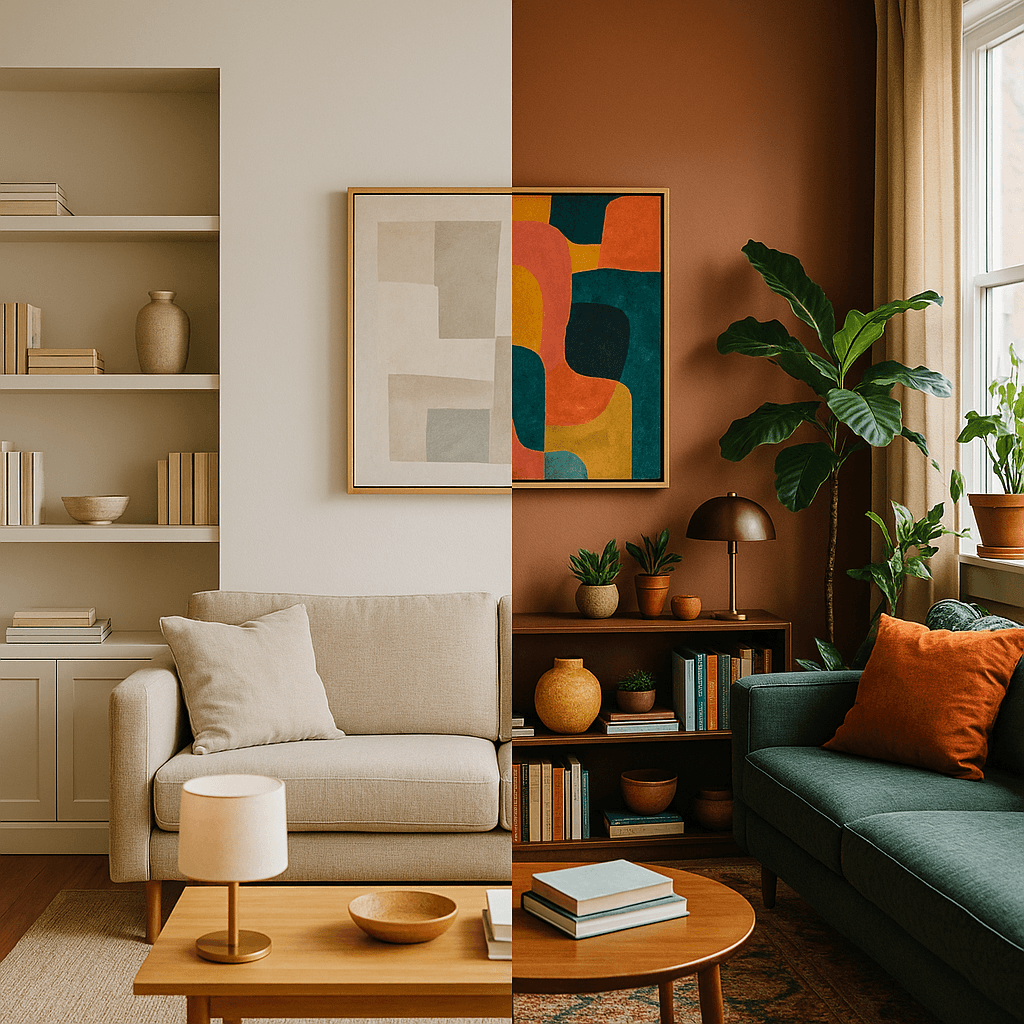
Walk into someone’s home and you’ll learn more about them in five minutes than you might over coffee. The colors on the walls. The way the couch faces the window - or doesn’t. The stack of books on the floor instead of a shelf. None of it is random.
Interior design is not just about aesthetics. It’s psychology with throw pillows.
If you ask any experienced designer, they’ll tell you the same thing: a space always mirrors its owner. Sometimes subtly. Sometimes loudly. And once you understand personality traits, you start seeing patterns everywhere.
The Psychology Behind Interior Design Choices
Every decision - minimalist or maximalist, muted or bold - ties back to how someone processes the world. Personality influences comfort zones, stimulation needs, emotional regulation, and even how much visual “noise” a person can tolerate.
Think of a home as a second skin. Just as clothing expresses identity, rooms express internal wiring.
Modern psychometric science has mapped personality traits with impressive precision. Tools based on frameworks like the Big Five, Jungian typology, DISC, emotional intelligence models, and motivation theories help explain why one person thrives in an industrial loft while another feels safe surrounded by soft textures and warm lighting.
Platforms such as lifematika.com bring eight major psychological methodologies together in one streamlined assessment. In about 15 minutes, users answer 95 questions and receive a detailed personality report - instantly, privately, and without registration. The results often explain not only career preferences or relationship styles, but even design instincts.
Sounds surprising? It shouldn’t.
How Specific Personality Traits Show Up in Your Space
1. Openness to Experience - The Creative Curator
People high in Openness gravitate toward originality. Their homes rarely look like catalog copies. Instead, you’ll find:
- Eclectic art pieces
- Unconventional color combinations
- Travel souvenirs integrated into decor
- Layered textures and statement furniture
These individuals treat design like storytelling. Each object carries narrative weight. A Moroccan lamp here. A mid-century chair there. The room becomes a living collage.
Here’s a hot take: perfectly coordinated interiors often belong to people lower in Openness. Creativity thrives in a little chaos.
2. Conscientiousness - The Structured Minimalist
Highly conscientious individuals crave order. Clean lines calm their nervous system. Storage solutions excite them more than abstract sculptures ever could.
Their design style often includes:
- Neutral color palettes
- Clearly defined zones for work and rest
- Clutter-free surfaces
- Functional furniture with purpose
For them, a tidy room equals mental clarity. Visual clutter feels like background noise that never turns off.
Minimalism isn’t about trendiness in this case. It’s about control and efficiency.
3. Extraversion vs. Introversion - Energy Management Through Space
Extraverts design for interaction. Large dining tables. Open floor plans. Extra seating “just in case.” Their living room says, Come in, stay awhile.
Introverts, on the other hand, design for restoration. Cozy reading nooks. Softer lighting. Corners that feel like cocoons.
Neither approach is better. They simply reflect how energy flows.
Have you ever noticed how some homes feel like a social hub while others feel like a retreat center? That’s personality architecture at work.
4. Emotional Intelligence - Atmosphere as Priority
Individuals with high emotional intelligence think about how a room feels, not just how it looks. They pay attention to:
- Lighting temperature
- Scent
- Acoustic softness
- Spatial harmony
They understand that mood lives in details. A harsh white bulb can shift an entire evening. A textured rug can ground conversation.
Design becomes emotional regulation.
5. Values and Motivation - The Invisible Drivers
According to Schwartz’s theory of basic values and Self-Determination Theory, people act based on deeply rooted motivations - security, achievement, stimulation, benevolence, autonomy.
These drivers shape interiors more than most realize.
- Security-focused individuals prioritize durability and tradition.
- Achievement-oriented personalities display awards, certifications, or symbols of progress.
- Autonomy-driven types prefer customizable, flexible layouts.
- Benevolence-centered people create welcoming, inclusive environments.
The room becomes a physical manifesto.
Why Understanding Your Personality Improves Interior Design Decisions
Here’s where things get practical.
Many people redecorate impulsively. They follow trends on social media. They replicate influencer aesthetics. Then, months later, the space feels… off.
Why? Because the design doesn’t align with their psychological blueprint.
Understanding personality traits before making major design choices can prevent expensive mistakes. A person low in stimulation needs will not feel comfortable in a neon-colored apartment, no matter how fashionable it looks online.
Self-awareness simplifies decisions:
- Color selection becomes intuitive.
- Furniture style aligns with lifestyle needs.
- Layout choices reflect social habits.
- Decor elements reinforce identity.
Instead of chasing trends, individuals design from the inside out.
The Role of Scientific Personality Assessments in Design
This is where structured insight makes a difference.
A comprehensive psychometric assessment - like the one offered by lifematika.com - combines eight leading psychological frameworks into one holistic report. It analyzes Big Five traits, Jungian cognitive preferences, DISC behavior styles, character strengths, emotional intelligence, motivation levels, and personal values.
The process takes around 15 minutes. Ninety-five questions. No registration. Instant detailed analysis. Completely private.
More than 1,000 users have already explored their profiles, and many choose to retake the assessment after major life changes to track shifts in perspective.
That matters because personality is relatively stable, yet circumstances influence expression. A new career. A relationship. A relocation. These transitions subtly reshape how someone interacts with their environment.
Design evolves too.
Interior Design Styles Through a Personality Lens
Minimalist
Often linked with high conscientiousness and lower sensory stimulation needs. Clean, predictable, calming.
Bohemian
Common among individuals high in Openness and autonomy. Layered, expressive, emotionally rich.
Industrial
Appeals to pragmatic, task-oriented personalities. Raw materials. Honest structure. Function forward.
Scandinavian
Balances warmth and simplicity. Frequently attracts those who value harmony, emotional stability, and moderate structure.
Classic Traditional
Often reflects security-focused values and appreciation for heritage. Timeless over trendy.
Notice the pattern? Design categories align with measurable psychological dimensions.
Designing a Home That Feels Authentically Yours
Authenticity in interior design doesn’t come from copying a showroom. It comes from alignment.
When a person understands their strengths, behavioral tendencies, and motivational drivers, decorating stops feeling overwhelming. It becomes strategic.
Imagine knowing:
- Whether bold color energizes or drains you
- If open spaces inspire productivity or create anxiety
- How much sensory input feels optimal
- What visual symbols reinforce confidence
That clarity turns a house into a psychological ally rather than a source of friction.
Honestly, interior design might be one of the most underrated tools for personal growth. Surroundings influence mood, focus, and even decision-making patterns. Change the room, and sometimes you change behavior.
Not magically. But subtly, consistently.
Final Thoughts - Your Space Is a Mirror
Walls don’t lie.
The layout of a living room. The texture of curtains. The presence - or absence - of decoration. All of it reveals patterns.
Understanding personality traits through scientific assessment provides a roadmap. Instead of guessing why certain styles feel right or wrong, individuals gain language for their instincts.
Interior design then transforms from decoration into self-expression backed by data.
And perhaps that’s the real goal - creating a space that feels less like a trend and more like home.