Why We Lie: The Psychology of Deception and Values
 Yaro Pry··5 min read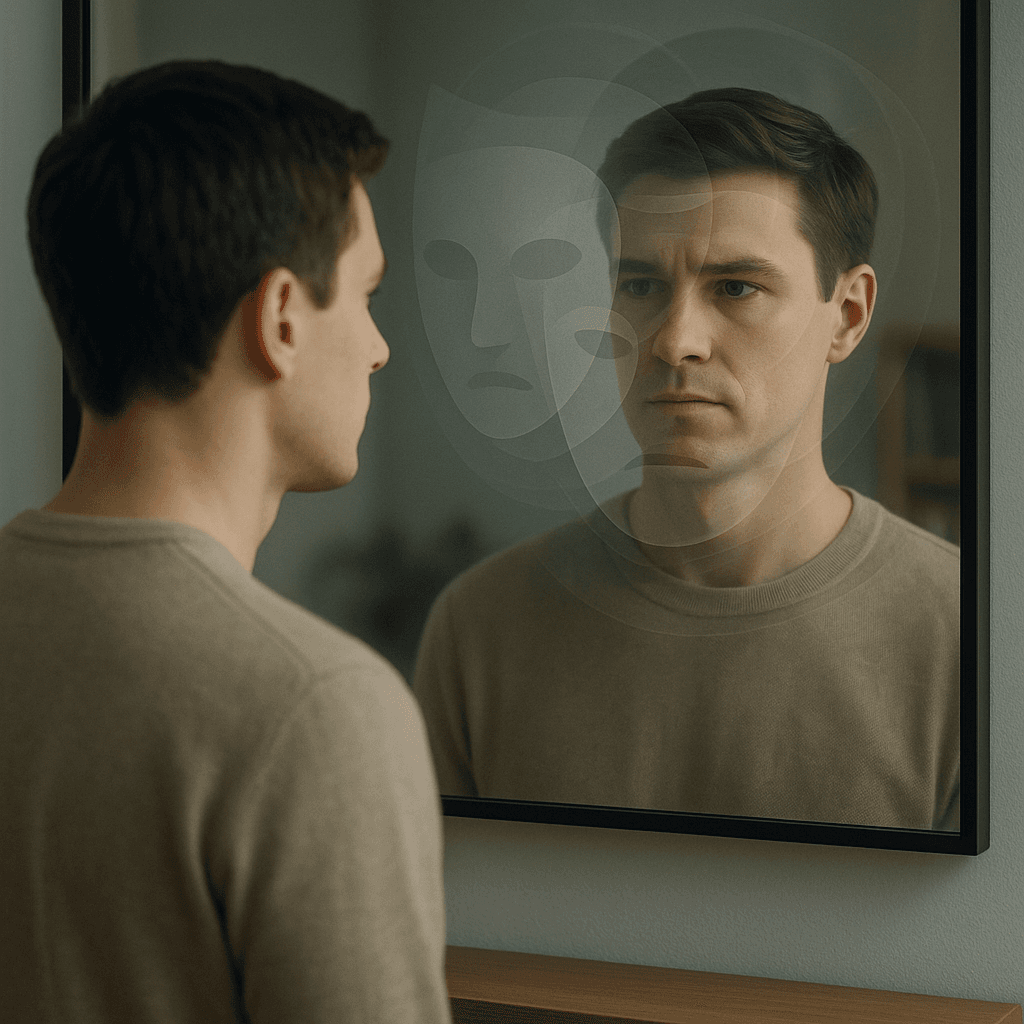
Lying is one of those human behaviors everyone condemns - and almost everyone practices. Awkward, right? From tiny social fibs to carefully constructed double lives, deception slips into daily routines more easily than most people would like to admit. But here’s the real question: why do we lie in the first place? Is it about survival? Ego? Fear? Or something deeper woven into personal values and personality traits? The psychology of deception isn’t just about morality. It’s about identity. Motivation. Self-preservation. And sometimes, it’s about avoiding discomfort at any cost. Let’s unpack it.
The Psychology of Lying - It’s Not Always What You Think
When most people think of deception, they picture malicious intent. Manipulators. Cheaters. Con artists. That’s the dramatic version. In reality, many lies are surprisingly ordinary. A polite “I’m fine.” An exaggerated resume bullet point. A strategically omitted detail in a difficult conversation. Research in personality psychology suggests deception often emerges from three core drivers:
- Self-protection - avoiding punishment, embarrassment, or rejection
- Social harmony - preserving relationships or preventing conflict
- Self-enhancement - boosting status, image, or perceived competence
Notice something? Not all of those sound evil. Some even sound… understandable. That’s where it gets complicated.
Values Shape Deception More Than We Realize
Here’s a hot take: people don’t lie randomly. They lie in alignment with what they value most. Sounds counterintuitive, but think about it. Someone who values harmony might lie to avoid hurting feelings. Another who prioritizes achievement might exaggerate results to stay competitive. A person driven by security could hide information to avoid instability. In other words, deception often protects something the individual believes is important. Psychologists studying Schwartz’s Theory of Basic Values have long argued that values quietly steer decision-making beneath conscious awareness. They’re like invisible hands on the steering wheel. Most drivers don’t even notice them - until they crash. Understanding personal value systems is crucial when exploring why someone bends the truth. Without that lens, judgment comes too quickly and insight arrives too late.
Personality Traits and the Tendency to Lie
Not everyone lies the same way. Not everyone lies for the same reasons. Personality plays a major role. According to the Big Five model - often called OCEAN - certain traits correlate with patterns of honesty or deception:
1. Conscientiousness
Highly conscientious individuals tend to value duty and responsibility. They’re less likely to engage in impulsive dishonesty, though they may justify strategic omissions if they believe it serves a larger goal.
2. Agreeableness
Those high in agreeableness often tell "white lies" to protect relationships. Conflict avoidance can become a breeding ground for small distortions.
3. Neuroticism
Anxiety-driven personalities may lie defensively. Fear of criticism or abandonment can trigger protective dishonesty.
4. Extraversion
Highly extroverted individuals sometimes exaggerate stories to entertain or impress. Not always malicious - sometimes theatrical.
5. Openness to Experience
Creative minds might bend narratives in subtle ways, especially when identity expression feels more important than strict factual precision. See the pattern? Lying often reflects temperament rather than villainy. If you ask most behavioral scientists, deception is less about good versus bad and more about coping strategies colliding with values.
The Role of Emotional Intelligence in Deception
Emotional intelligence cuts both ways. People with high emotional awareness can detect how others feel - which makes them more capable of telling convincing lies. But it also gives them the capacity for empathy and ethical restraint. That’s the paradox. A sharp understanding of emotions is like owning a high-powered tool. It can build bridges. Or it can quietly dismantle trust. Studies suggest individuals with developed emotional regulation skills are better at managing guilt after deception. Yet those same skills, when aligned with strong moral values, reduce the likelihood of lying in the first place. So which path someone takes? That depends on deeper motivational structures.
Motivation - The Hidden Engine Behind Dishonesty
Self-Determination Theory divides motivation into intrinsic and extrinsic categories. In plain terms: are people acting from inner alignment or external pressure? When actions are driven by fear, reward, status, or social approval, deception becomes more tempting. External pressure squeezes integrity like a stress ball. But when decisions align with intrinsic values - growth, authenticity, purpose - lying becomes psychologically uncomfortable. Ever notice how some people crumble under dishonesty while others rationalize it effortlessly? That’s motivation architecture at work. It’s not random.
How Behavioral Styles Influence Lying
The DISC assessment framework provides another interesting angle. Different behavioral styles manage conflict and communication differently:
- Dominance types may distort facts to maintain control.
- Influence types might embellish for social approval.
- Steadiness types often hide concerns to avoid disruption.
- Conscientious types can selectively share information to maintain precision and standards.
None of these automatically equate to chronic dishonesty. They simply show how communication patterns intersect with situational pressure. It’s like watching different actors improvise the same scene - each delivers it differently based on personality wiring.
Why Self-Awareness Changes Everything
Here’s the uncomfortable truth: most people underestimate how often they bend reality. Not dramatically. Subtly. Memory itself is malleable. Perception is biased. Ego edits experiences like a personal PR manager. Sometimes deception isn’t even conscious - it’s a defense mechanism polishing identity. This is where structured self-analysis becomes powerful. Platforms like lifematika.com take a scientific approach to self-discovery by combining eight major psychological models into one comprehensive assessment. In about 15 minutes - 95 thoughtfully designed questions - users receive a detailed personality analysis grounded in peer-reviewed research. Why does this matter in a discussion about deception? Because understanding one’s core values, motivational drivers, emotional intelligence level, and behavioral style provides context. It reveals why certain situations trigger defensive responses. It exposes patterns. And patterns, once visible, are harder to ignore. The assessment integrates:
- OCEAN personality traits
- Jungian typology
- DISC behavioral styles
- VIA character strengths
- Self-Determination Theory
- Schwartz’s value theory
- Emotional intelligence measures
- Motivational level analysis
That holistic lens allows individuals to see not just what they do - but why. And honesty begins with awareness.
Small Lies vs. Big Lies - A Psychological Spectrum
Not all deception carries equal weight. There’s a spectrum:
- Polite social smoothing
- Strategic omission
- Image management
- Defensive distortion
- Calculated manipulation
Each level involves different cognitive and emotional processes. Minor social lies often activate empathy centers - people lie to protect others. Major deception typically involves rationalization and emotional detachment. The shift happens gradually. Like turning a dimmer switch instead of flipping a light. Have you ever wondered at what point justification becomes self-betrayal? That’s the moral fault line.
The Cost of Deception
Lying isn’t free. Even when undetected, dishonesty increases cognitive load. The brain must track inconsistencies. Stress hormones rise. Trust erodes internally before it collapses externally. Long-term deception can fragment identity. People begin performing versions of themselves rather than living authentically. It’s exhausting - like juggling masks. On the flip side, radical honesty without emotional intelligence can damage relationships. So balance matters. This isn’t about perfection. It’s about alignment.
Can Understanding Psychology Reduce Lying?
Honestly? It can. When individuals understand their triggers - rejection sensitivity, status anxiety, conflict avoidance - they gain choice. Instead of automatic defense, they can pause. Self-awareness turns impulse into decision. That’s powerful. Scientific tools that map personality architecture provide a mirror. Sometimes uncomfortable. Often clarifying. Always informative. And here’s the interesting part - when people see their strengths highlighted alongside vulnerabilities, shame decreases. Growth becomes possible.
Final Thoughts - Deception Is Human, Awareness Is Transformational
Lying isn’t a glitch in human nature. It’s a signal. A signal that something feels threatened. A signal that values are clashing. A signal that identity needs protection. Understanding the psychology of deception doesn’t excuse harmful behavior. But it does illuminate it. When individuals explore their personality traits, core motivations, emotional patterns, and value systems - whether through structured psychometric analysis or intentional reflection - they gain clarity. Clarity reduces fear. Fear reduces defensiveness. Defensiveness reduces dishonesty. It’s not magic. It’s psychology. And perhaps the real opposite of lying isn’t blunt truth-telling. It’s self-awareness.