Using Lifematika for Corporate Team Building
 Yaro Pry··4 min read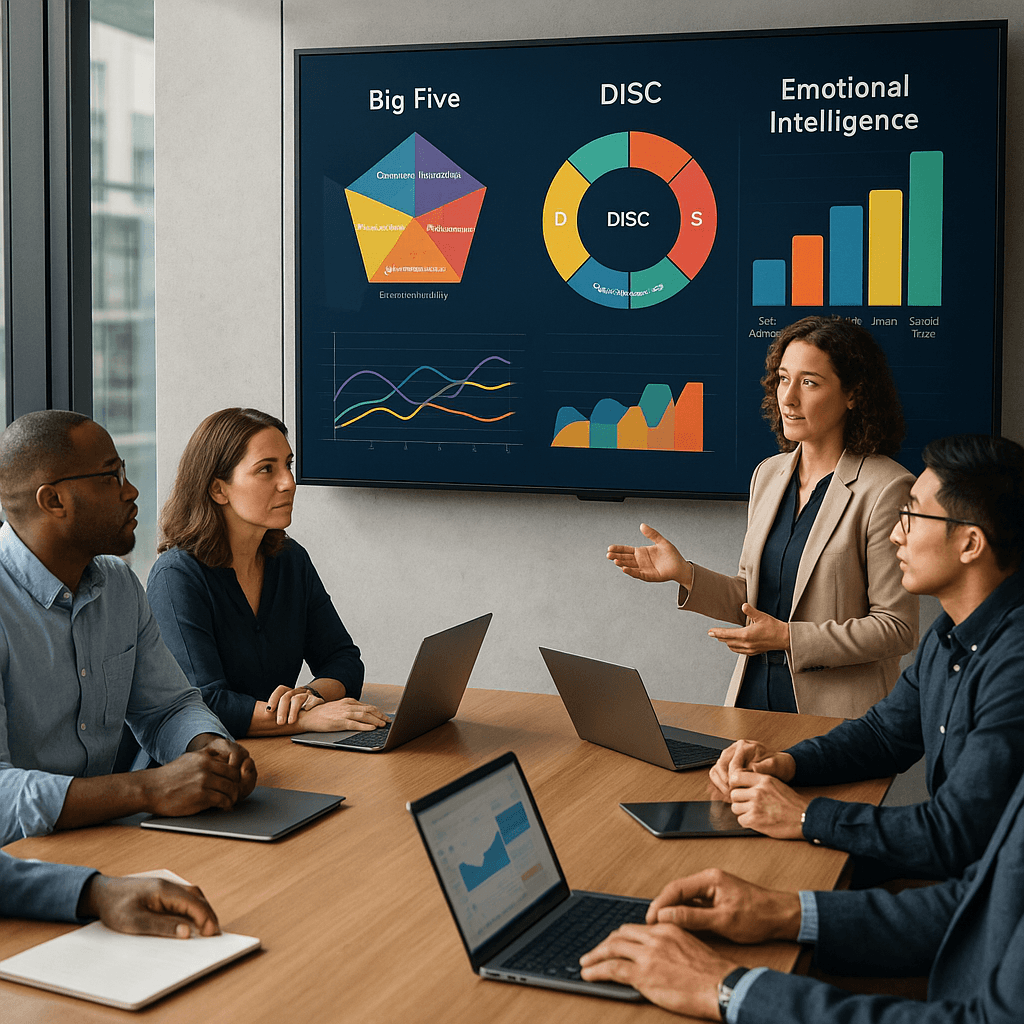
Team building gets tossed around like confetti in corporate meetings. Everyone agrees it matters. Few agree on what it actually means. Trust falls? Escape rooms? Another catered workshop with lukewarm coffee and a PowerPoint no one remembers?
Here’s the uncomfortable truth - most team building activities feel good for a day and fade by Monday morning.
If you ask seasoned HR leaders, what teams really need isn’t another icebreaker. They need clarity. About themselves. About each other. About why they react, lead, hesitate, or push forward the way they do.
That’s where lifematika.com steps in, and honestly, it changes the game.
Why Traditional Team Building Often Falls Flat
Picture a typical corporate bonding session. People smile. They participate. Some even enjoy it. But underlying tensions? Communication gaps? Personality clashes? Those remain untouched.
Because surface-level activities rarely address the real dynamics shaping performance:
- Different communication styles
- Conflicting core values
- Unspoken motivational drivers
- Emotional blind spots
- Leadership mismatches
Teams are complex ecosystems. Expecting them to thrive without understanding psychological wiring is like tuning a piano while wearing earplugs. You might hit a few right notes. Mostly, it’s guesswork.
What Makes Lifematika Different for Corporate Teams
Lifematika isn’t a fluffy personality quiz. It’s a scientific psychometric platform built on eight respected psychological models - all integrated into one streamlined 95-question assessment.
It takes about 15 minutes. No registration wall. No complicated setup. Immediate analytical report.
And here’s where it gets interesting.
Instead of offering a single personality label, the platform blends:
1. OCEAN - The Big Five
It evaluates openness, conscientiousness, extraversion, agreeableness, and neuroticism. In simple terms - how someone thinks, plans, socializes, and handles stress.
2. Jungian Typology
Explores cognitive functions and the introversion-extroversion spectrum. Great for understanding how employees process information and make decisions.
3. DISC Assessment
Maps communication and behavior styles. Dominant? Influential? Steady? Conscientious? Suddenly that "difficult coworker" makes more sense.
4. VIA Character Strengths
Identifies natural strengths that can be amplified instead of ignored.
5. Self-Determination Theory
Reveals intrinsic motivation drivers - autonomy, competence, relatedness.
6. Schwartz's Theory of Basic Values
Highlights the deep values guiding decisions, often unconsciously.
7. Emotional Intelligence Metrics
Assesses emotional awareness and regulation capacity.
8. Motivational Levels
Uncovers the internal engines pushing action.
That’s not surface-level. That’s layered psychological mapping.
How Lifematika Enhances Corporate Team Building
Let’s get practical. How does this actually improve teamwork?
Clarity Before Chemistry
Strong teams aren’t built on forced chemistry. They’re built on clarity.
When employees understand:
- Why a colleague prefers structure
- Why another thrives in brainstorming chaos
- Why one needs recognition
- Why another values autonomy above praise
Conflict stops being personal. It becomes predictable. Manageable. Even useful.
Better Communication - Fast
DISC insights alone can transform meetings. Imagine knowing ahead of time that:
- One team member wants direct, concise data.
- Another needs relational context before committing.
- A third prefers written follow-ups instead of verbal agreements.
Meetings shorten. Frustration drops. Productivity climbs.
Smarter Role Allocation
Ever seen a highly analytical employee stuck in a high-social sales role? Or a visionary strategist drowning in administrative details?
It’s like putting a violinist behind a drum set and wondering why the rhythm feels off.
Lifematika’s multidimensional analysis helps managers align strengths with responsibilities. Teams perform better not because they try harder - but because they operate in alignment with natural tendencies.
Implementing Lifematika in a Corporate Setting
Adopting psychometric tools doesn’t need to be complicated. In fact, simplicity is part of Lifematika’s appeal.
Step 1 - Team Completion
Each employee completes the 95-question assessment - around 15 minutes. It’s free to start and requires no account creation.
Step 2 - Individual Reflection
Participants review their instant analytical reports privately. This builds self-awareness before group discussions begin.
Step 3 - Facilitated Workshop
Leaders or HR professionals guide structured conversations around communication styles, strengths, and motivation patterns.
Step 4 - Action Planning
Teams create practical adjustments:
- Meeting structure changes
- Role refinements
- Feedback style agreements
- Conflict resolution strategies
And because the assessment can be retaken anytime, teams can measure growth after reorganizations, promotions, or high-stress quarters.
Privacy and Trust - The Foundation of Honest Participation
Corporate employees are cautious. Rightfully so.
Lifematika addresses that directly. Data remains confidential and is used solely to generate individual reports. No hidden profiling. No external data selling.
Trust matters. Without it, assessments become performance theater.
Cross-Platform Flexibility for Modern Workforces
Remote team? Hybrid model? Global workforce across time zones?
The platform works seamlessly on mobile, tablet, and desktop devices. No downloads. No IT complexity.
Which means implementation doesn’t turn into a technical headache.
The Psychological Advantage in Competitive Markets
Organizations invest heavily in tools - CRM systems, project software, automation platforms.
But here’s a hot take: the real competitive edge isn’t software.
It’s psychological alignment.
A team that understands itself moves faster. Adapts quicker. Handles stress with more cohesion. Innovation improves because people feel seen and understood.
Think of it like tuning an orchestra before a performance. Each instrument matters. But harmony? That requires awareness of how every piece contributes to the whole.
Common Concerns About Psychometric Team Assessments
"Will this box employees into labels?"
Not if used correctly. Lifematika offers dynamic insights, not rigid categories. It highlights tendencies, not destinies.
"What if results create tension?"
Tension already exists in most teams. The difference is visibility. Once patterns are visible, they become manageable.
"Is 15 minutes enough for accuracy?"
The assessment integrates peer-reviewed methodologies refined over decades. Efficiency doesn’t mean superficiality. It means focused design.
Why Leaders Should Pay Attention
High-performing leaders recognize something subtle yet powerful: performance problems are rarely about laziness.
They’re about mismatch.
- Mismatch between personality and role.
- Mismatch between communication styles.
- Mismatch between motivation and management approach.
When those misalignments shrink, engagement rises. Retention improves. Burnout decreases.
And that’s not soft metrics. That’s bottom-line impact.
Long-Term Benefits of Using Lifematika for Team Development
Companies that integrate psychometric awareness into culture often see:
- More constructive feedback cycles
- Stronger cross-department collaboration
- Improved conflict navigation
- Higher employee satisfaction
- Clearer leadership pipelines
Because understanding personality isn’t a one-time exercise. It’s an ongoing lens through which decisions become smarter.
Lifematika already supports over 1,000 users and continues growing as professionals seek grounded, research-based insight rather than trendy personality hype.
Final Thoughts on Corporate Team Building with Lifematika
Team building shouldn’t feel like a mandatory retreat with polite laughter and forgotten lessons.
It should feel like flipping on the lights in a room everyone has been working in for years.
Suddenly, the layout makes sense.
Using Lifematika for corporate team building offers something rare - psychological depth combined with simplicity. A short assessment. Immediate insights. Practical application.
No theatrics. No gimmicks. Just structured self-discovery that fuels stronger collaboration.
For organizations serious about sustainable performance, this isn’t just another HR tool.
It’s a strategic advantage.