Using DISC to Improve Your Public Speaking
 Yaro Pry··5 min read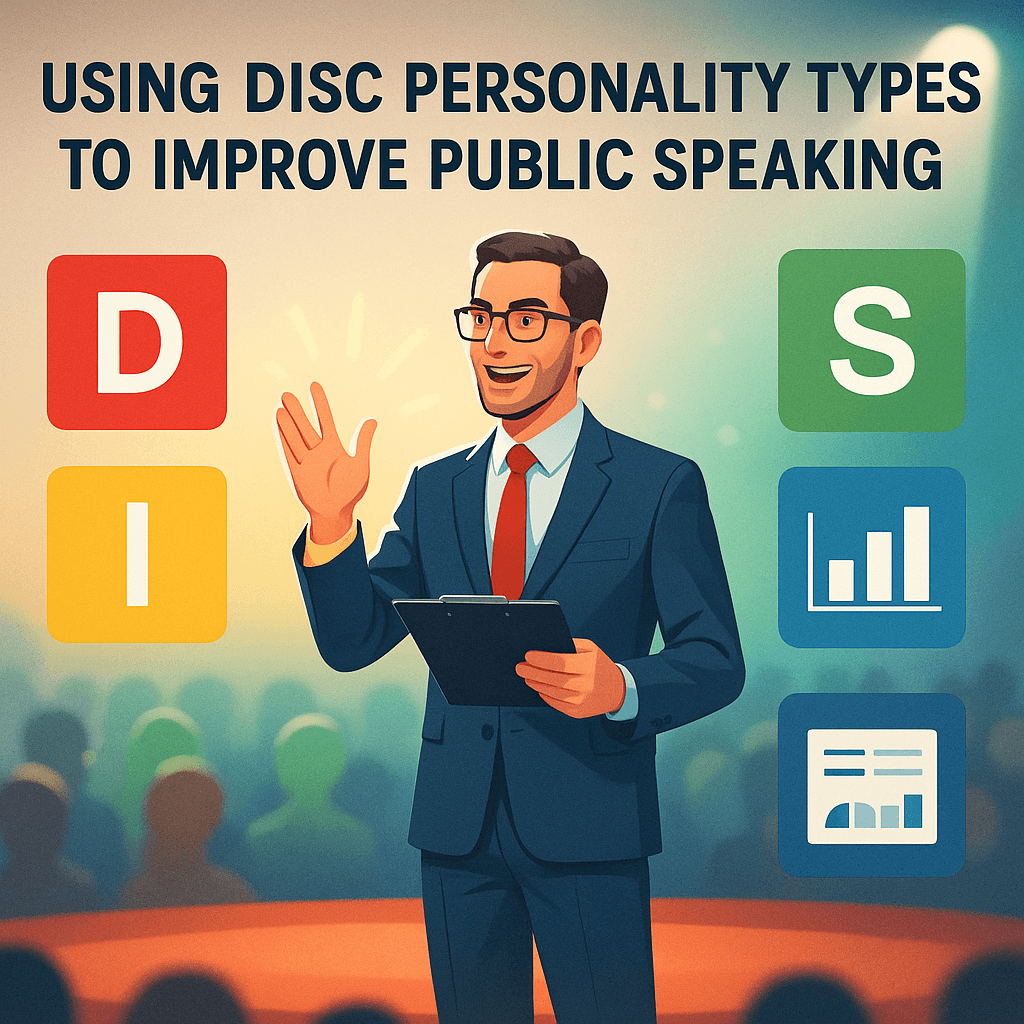
Public speaking terrifies people. Not everyone, of course - but enough that it regularly tops the list of common fears. And here’s the thing: most advice out there sounds the same. Practice more. Breathe deeply. Picture the audience in pajamas. Fine tips, sure. But they miss something big.
They ignore personality.
If someone understands how they’re wired - how they naturally communicate, decide, and respond under pressure - speaking in front of a crowd stops feeling like acting and starts feeling like amplifying who they already are.
That’s where DISC comes in.
What Is DISC and Why Does It Matter for Public Speaking?
DISC is a behavioral model that breaks personality into four primary styles:
- D - Dominance
- I - Influence
- S - Steadiness
- C - Conscientiousness
Each style approaches communication differently. Some speakers command. Some charm. Others build trust quietly. And some persuade with logic so tight it feels like a well-built bridge.
Have you ever wondered why one speaker can pace a stage with electric energy while another barely moves yet holds everyone spellbound? That’s not random. That’s behavioral wiring at work.
When someone understands their DISC profile, they stop copying viral TED Talks and start leaning into their natural strengths. That shift changes everything.
Why Most Public Speaking Advice Falls Flat
Generic tips treat all speakers the same. But a high-D executive and a high-S team lead don’t think, feel, or communicate the same way.
Imagine telling a marathon runner to sprint the entire race. Sounds exhausting, right? That’s what happens when people force themselves into a style that isn’t theirs.
Better strategy: know the runner. Train for their strengths. Build stamina where needed.
DISC offers that blueprint.
How Each DISC Style Can Shine on Stage
D - Dominance: Command the Room
High-D speakers thrive on results. They move fast. They’re direct. They dislike fluff.
In public speaking, that translates into:
- Clear calls to action
- Strong posture and decisive gestures
- Concise messaging
If you ask me, D-types often make powerful keynote speakers. They cut through noise like a sharp blade through paper.
But here’s the catch - they can come off as intense or impatient. The improvement strategy?
- Slow down intentionally.
- Add short stories or examples.
- Pause for audience reactions.
Authority plus warmth. That’s the sweet spot.
I - Influence: Energize and Engage
High-I personalities love people. They’re expressive, optimistic, and animated. Put them on a stage and it often feels natural.
Their public speaking strengths include:
- Storytelling flair
- Strong emotional connection
- Dynamic vocal variety
They don’t just give talks. They perform them.
Still, enthusiasm can sometimes outrun structure. Ideas jump. Timelines blur. So improvement means tightening the framework:
- Create a clear outline before speaking.
- Use bullet-point prompts.
- Set time checkpoints.
Energy backed by structure becomes magnetic instead of chaotic.
S - Steadiness: Build Trust Quietly
S-style speakers are calm, patient, and supportive. They may not seek the spotlight, yet audiences often trust them deeply.
Their strengths:
- Consistent tone
- Empathetic language
- Reliability under pressure
They’re the steady heartbeat in the room.
The challenge? Avoiding monotony. Adding variation in pacing, subtle gestures, or visual aids can make a big difference. Even small movement shifts can create momentum.
Confidence for S-types grows when they realize they don’t need to be loud to be powerful.
C - Conscientiousness: Deliver Precision
C-style communicators value accuracy. They prepare thoroughly. Slides are polished. Data is airtight.
On stage, they offer:
- Logical structure
- Evidence-based arguments
- Credibility
Honestly, when complex topics need clarity, C personalities often excel.
Yet perfectionism can slow delivery or increase anxiety. Improvement here means:
- Accepting small imperfections.
- Reducing overly dense slides.
- Practicing conversational tone.
Think of it like editing a book - clarity beats quantity every time.
Blending Styles - Because Nobody Is Just One Letter
Here’s a hot take: very few people are purely one style. Most sit somewhere between two, sometimes three. That mix shapes how they present.
A D-I speaker? Bold and charismatic. An S-C? Thoughtful and methodical. An I-S? Warm and relatable.
Understanding that blend helps refine preparation strategy. Instead of asking, “How should a speaker act?” the better question becomes, “How can this person communicate at their best?”
Practical Steps to Use DISC for Better Presentations
Knowing theory is helpful. Applying it changes performance.
Here’s a simple roadmap:
1. Identify Your DISC Profile
Start with a credible assessment. Platforms like lifematika.com offer a streamlined 95-question evaluation that integrates DISC alongside seven other psychological models. It takes about 15 minutes. No registration walls. Results appear instantly.
What makes that valuable? Context. DISC paired with frameworks like OCEAN, Jungian typology, Emotional Intelligence, and motivational theory creates a more complete picture. Public speaking isn’t just behavior - it’s values, cognition, and emotion layered together.
2. Map Strengths to Speaking Tasks
Once someone knows their profile, they can match preparation methods accordingly:
- D - focus on sharp messaging and decisive openings.
- I - craft memorable stories.
- S - build structured transitions.
- C - refine data and supporting evidence.
This isn’t about changing personality. It’s about aligning preparation with it.
3. Anticipate Stress Reactions
Pressure reveals patterns.
D may become abrupt. I may ramble. S might withdraw. C could over-explain.
When speakers predict their default stress response, they can counterbalance it in advance. That awareness alone reduces stage anxiety.
4. Practice in Style-Specific Ways
Different personalities benefit from different rehearsal techniques:
- D - rehearse concise openings.
- I - record and refine pacing.
- S - simulate Q&A sessions for confidence.
- C - practice simplifying complex slides.
Practice should feel tailored, not forced.
The Science Behind Personality-Based Communication
Behavioral psychology consistently shows that self-awareness improves performance. DISC works because it provides a shared language for behavior. Combine that with models like Self-Determination Theory and Schwartz’s Values framework - both included in comprehensive platforms such as lifematika - and speakers gain insight into motivation and decision drivers.
Why does that matter?
Because confident speaking isn’t just about technique. It’s about alignment. When values, strengths, and communication style line up, delivery feels natural. Almost effortless.
Like swimming with the current instead of against it.
Public Speaking as Self-Discovery
Here’s something people rarely say: improving presentation skills often leads to broader personal growth.
When someone understands how they influence others, how they process information, and what energizes them, the benefits spill into leadership, relationships, and career choices.
Public speaking becomes less about performance and more about clarity.
Clarity about who they are.
Clarity about how they want to show up.
Final Thoughts on Using DISC for Public Speaking
Great speakers aren’t manufactured from a single mold. They’re refined versions of themselves.
DISC doesn’t box anyone in. It offers a mirror. And sometimes, that mirror is exactly what someone needs before stepping onto a stage.
So the next time nerves kick in before a presentation, the question isn’t “How do I act like a confident speaker?”
It’s this: “How does my personality communicate best?”
Answer that, prepare accordingly, and the stage starts to feel less like a spotlight interrogation and more like home turf.
Sounds simple.
But powerful.