Understanding the Core Psychology Test Types and Their Applications
 Yaro Pry··5 min read
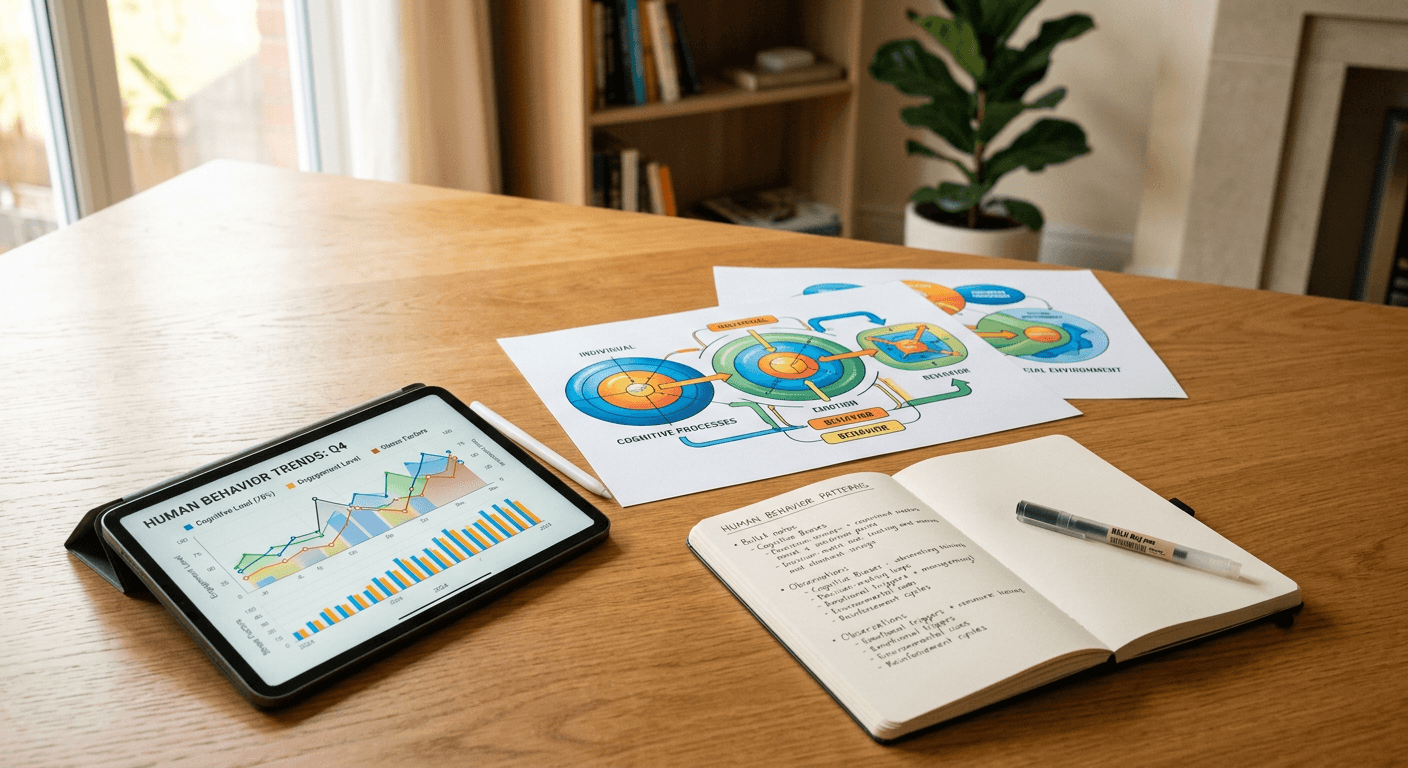
A psychology test is a systematic, standardized procedure used to assess an individual's cognitive abilities, emotional functioning, or behavioral patterns through observable data points. These tools are designed to provide consistent, objective measurement across various mental constructs, helping practitioners draw evidence-based conclusions about a person's psychological profile.
Quick Summary
A psychology test is a scientifically validated instrument used to measure latent psychological constructs like personality traits, intelligence, or emotional health. These evaluations rely on standardized scoring and empirical norms to ensure that results are reliable and meaningful across diverse populations, serving as a cornerstone of modern clinical and organizational assessments.
- Psychological tests provide objective, data-driven insights into behavior.
- They categorize human experience into measurable frameworks such as personality, intelligence, and neuro-psychology.
- Standardized administration is essential for ensuring test validity and reliability.
- These tools assist in diagnosing mental health conditions and mapping professional aptitude.
Table of Contents
- Understanding the Psychology Test Definition
- Primary Psychological Test Categories
- Intelligence and Cognitive Ability Assessment
- Personality Assessment Frameworks
- Clinical and Behavioral Diagnostic Tools
- The Role of Standardization and Validity
- Practical Applications of Testing
- FAQ
- Recommended Reads

Understanding the Psychology Test Definition
At its core, a psychology test definition focuses on the concept of latent variables-characteristics that cannot be observed directly, such as intelligence, temperament, or anxiety levels. Because these traits are invisible, psychologists create standardized scenarios, questions, or tasks that elicit responses reflecting the underlying trait. By quantifying these responses, clinicians can move beyond subjective impressions toward a structured, data-informed understanding of the human psyche.
To ensure scientific rigor, a high-quality test must possess both reliability and validity. Reliability refers to the consistency of the results; if a person takes a test on two separate occasions under similar conditions, the results should be largely congruent. Validity, conversely, ensures that the test actually measures what it claims to measure. Without these two pillars, an assessment remains anecdotal rather than scientific, rendering it insufficient for professional or clinical decision-making.
Primary Psychological Test Categories
When exploring the types of tests psychology offers, experts generally group them into broad psychological test categories based on the intent and target construct. These categories help differentiate between assessments meant for high-stakes clinical diagnosis and those intended for self-discovery or professional development. Understanding these distinctions is vital for interpreting the utility of any given report or profile.
Broadly, these categories include objective personality inventories, projective personality tests, cognitive ability assessments, and clinical symptom checklists. While each serves a distinct purpose, they all follow the same underlying logic of forcing a response to a standardized stimulus to infer the state or trait of the subject.
Intelligence and Cognitive Ability Assessment
Intelligence tests represent one of the oldest and most refined types of tests psychology has to offer. These instruments are designed to quantify cognitive processing, including memory, processing speed, spatial reasoning, and verbal comprehension. By comparing an individual's performance against normative data-a representative sample of the general population-clinicians can identify intellectual strengths and potential cognitive impairments.
Pro Tip: When reviewing cognitive assessment results, look for the distinction between crystallized intelligence (learned knowledge) and fluid intelligence (the ability to solve new problems). Both components provide a holistic view of intellectual adaptability.
These tests are crucial in educational settings for identifying learning disabilities or giftedness, and in clinical settings to assess the impact of traumatic brain injuries or neurodegenerative conditions. Because these assessments are highly sensitive, they must be administered by trained professionals to ensure that external variables, such as fatigue or environmental distractions, do not skew the data.
Personality Assessment Frameworks
Personality assessment is perhaps the most widely recognized branch of testing. These models map out the relatively stable patterns of thought, feeling, and behavior that define an individual. Rather than measuring a "correct" answer, these instruments evaluate how an individual typically interacts with the world, their primary motivations, and their interpersonal style.
Modern personality testing often utilizes the Big Five (OCEAN) model, which looks at openness, conscientiousness, extraversion, agreeableness, and neuroticism. Other frameworks focus on values and self-determination theory, helping individuals understand not just who they are, but what drives them to perform. These tools are increasingly popular for personal development, helping people identify their character strengths to navigate career transitions or interpersonal challenges effectively.
Clinical and Behavioral Diagnostic Tools
Clinical diagnostics represent the most specialized segment of psychology test types. These instruments, often referred to as psychopathological screening tools, are designed to detect signs of mental health disorders such as depression, anxiety, or post-traumatic stress. Unlike personality tests, which describe typical behavior, these tools check for deviations from baseline mental health that might require intervention.
These assessments are highly structured and often rely on Likert-scale self-reports or structured clinical interviews. Because of their potential for high-impact outcomes, they are strictly regulated and primarily utilized by licensed mental health professionals. The goal here is clarity: reducing the complexity of subjective human distress into manageable clinical data that can guide treatment plans and therapeutic progress.
The Role of Standardization and Validity
Standardization is the bedrock of any credible psychology test. It refers to the uniform procedures used for administration and scoring. Whether a person takes an assessment in a clinic in New York or a quiet office in London, the test items, instructions, and time limits remain identical. This ensures that the scores are comparable across different individuals and settings.
Validity, as mentioned previously, is the degree to which evidence supports the interpretation of test scores. Content validity ensures the test covers all aspects of the measured construct, while criterion-related validity looks at how well the test score predicts behavior in real-world scenarios. Without rigorous validation, a test is essentially just a survey with no predictive power or clinical utility.
Practical Applications of Testing
Psychometric tools find applications far beyond the doctor's office. In the corporate world, they are used for talent development and leadership training, helping employees identify their unique working styles and communication preferences. In education, they provide a roadmap for students to select learning environments that match their cognitive profiles.
For the individual, engaging with these tools is an exercise in self-awareness. By using scientific frameworks to analyze one's character strengths, motivations, and behavioral patterns, people can make more informed choices about their lives and career paths. This application transforms testing from a passive diagnostic tool into an active, strategic instrument for growth.
FAQ
How does a professional psychology test differ from an online quiz?
Professional tests undergo rigorous psychometric validation, including peer review, testing for bias, and the establishment of population norms. Online quizzes often lack these controls, making their results unreliable for clinical or professional decisions.
What are the most common psychology test types used in coaching?
Coaches often utilize personality inventories, values assessments, and motivational frameworks, such as those grounded in Self-Determination Theory or character strength analysis, to help clients identify their personal goals and behavioral tendencies.
Can a psychological test be wrong?
Yes, tests are not infallible. Results can be affected by the subject's current mental state, environmental factors, or a lack of self-awareness. A professional test provides a data point to be interpreted alongside other information, not as an absolute diagnosis.
Are my results private when I take a personality assessment?
Privacy depends on the provider. Ethical platforms prioritize data encryption and do not share sensitive psychological data with third parties. It is essential to review the privacy policy of any platform before completing an assessment.