Transcendence: Finding Meaning and Purpose in the Everyday
 Yaro Pry··4 min read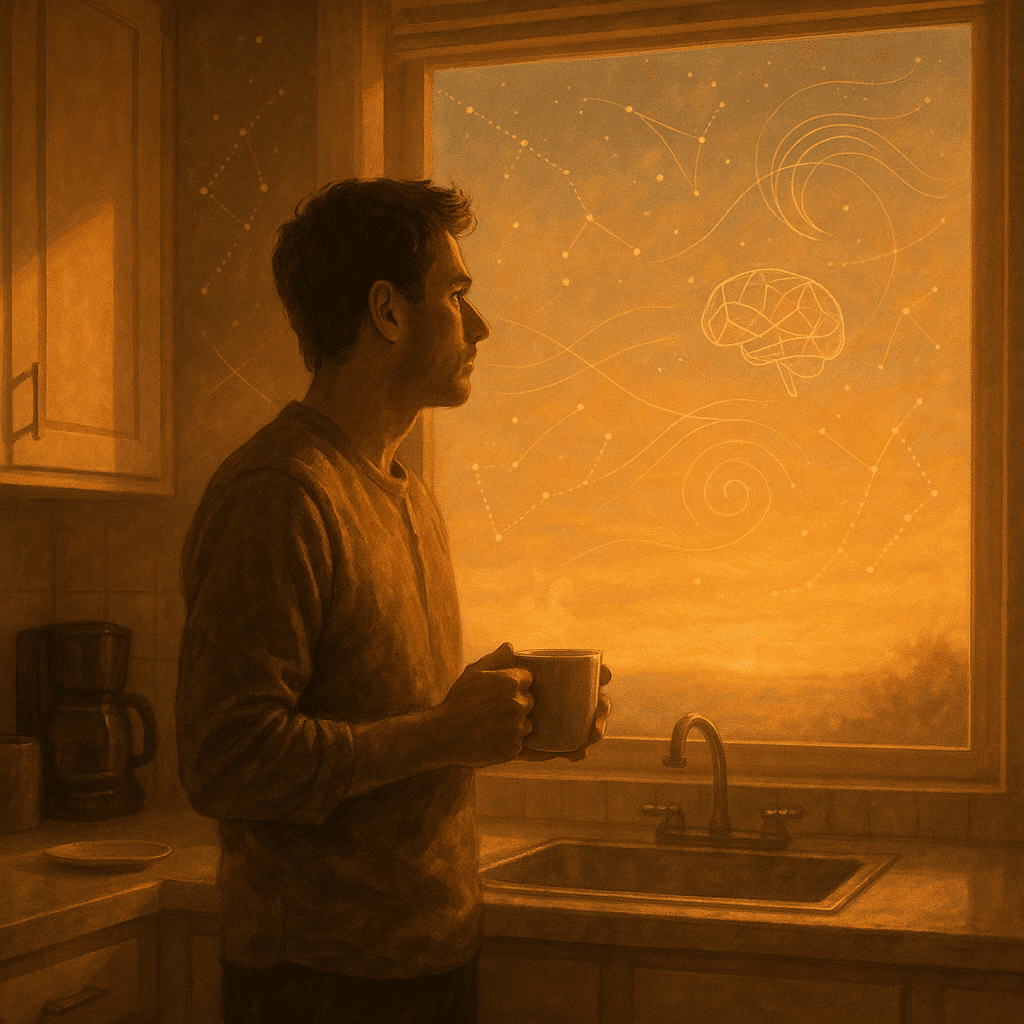
Transcendence sounds like one of those big, echoing words that belong in ancient temples or dusty philosophy books. It feels lofty. Untouchable. Almost intimidating.
But here’s the twist - transcendence isn’t reserved for monks on mountaintops or mystics staring into sunsets. It’s woven into ordinary life. Morning coffee. A hard conversation. Finishing something that once felt impossible.
If you ask most people what they’re really searching for, beneath the promotions and productivity hacks, it usually comes down to this: meaning. Direction. A sense that their days are building toward something that matters.
That’s transcendence in disguise.
What Transcendence Actually Means
At its core, transcendence is the ability to move beyond immediate impulses, ego, and surface-level concerns. It’s rising above autopilot. Choosing intention over reaction.
Psychologists often describe transcendence as a state where personal growth intersects with purpose. It’s when someone stops asking, “What do I want right now?” and starts asking, “Who am I becoming?”
Sounds simple, right? It’s not.
Modern life pulls attention in a hundred directions. Notifications buzz. Deadlines loom. Comparison creeps in quietly and settles like dust. Without awareness, days blur together.
Transcendence interrupts that blur.
The Science Behind Meaning and Purpose
This isn’t just poetic thinking. Research in personality psychology and motivation shows that people who connect their daily actions to deeper values report:
- Higher life satisfaction
- Stronger emotional resilience
- Better decision-making clarity
- Improved relationships
- Greater long-term fulfillment
Why? Because purpose acts like a compass. Without it, even success feels hollow. With it, even challenges feel meaningful.
Here’s where it gets interesting. Meaning isn’t one-size-fits-all. It’s shaped by personality traits, motivational drivers, emotional intelligence, and core values. What energizes one person might drain another.
That’s why self-discovery matters so much.
Why Self-Discovery Is the Gateway to Transcendence
Imagine trying to navigate a forest without knowing where north is. You could wander for years. That’s how many people approach life decisions - careers, relationships, goals - without understanding their internal wiring.
Transcendence doesn’t start with dramatic change. It starts with awareness.
Platforms like lifematika.com make this process practical. Instead of vague personality quizzes that label someone in broad strokes, it uses eight scientifically validated psychological frameworks in one streamlined assessment.
In about 15 minutes and 95 thoughtfully designed questions, users receive a detailed personality analysis grounded in research. No registration walls. No complicated setup. Just insight.
The Eight Psychological Models That Matter
Lifematika integrates:
- OCEAN - The Big Five: Measuring openness, conscientiousness, extraversion, agreeableness, and neuroticism.
- Jungian Typology: Exploring cognitive functions and energy orientation.
- DISC Assessment: Understanding behavioral and communication styles.
- VIA Character Strengths: Highlighting natural virtues and talents.
- Self-Determination Theory: Examining intrinsic motivation drivers.
- Schwartz’s Values Theory: Identifying core guiding principles.
- Emotional Intelligence Metrics: Assessing emotional awareness and regulation.
- Motivational Levels: Uncovering deeper behavioral triggers.
That’s not fluff. That’s a psychological map.
And here’s the practical benefit - when someone understands their strengths and blind spots, everyday decisions stop feeling random. They align.
Transcendence in the Everyday Moments
Transcendence doesn’t require quitting a job or moving across the world. Often, it shows up in quieter ways.
1. Choosing Values Over Impulse
Imagine receiving criticism. The knee-jerk reaction might be defensiveness. But someone aware of their emotional triggers pauses. Reflects. Responds thoughtfully.
That pause? That’s transcendence.
2. Aligning Work With Natural Strengths
When daily tasks match personality traits and intrinsic motivations, work shifts from draining to energizing. A conscientious planner thrives in structured environments. A highly open thinker flourishes with creativity.
It’s like swimming with the current instead of against it.
3. Building Relationships With Emotional Insight
Emotional intelligence transforms conflict into connection. Recognizing patterns - whether dominance in communication or steady supportiveness - improves interactions.
And improved relationships deepen meaning. Every time.
The Hidden Enemy of Purpose
Here’s a hot take: busyness is often the biggest obstacle to transcendence.
People equate activity with progress. They stack schedules, chase achievements, multitask through conversations. Yet inside, something feels off.
Why?
Because motion without reflection doesn’t equal growth. It equals noise.
Transcendence demands stillness. Honest evaluation. The willingness to ask uncomfortable questions:
- What truly motivates me?
- Which values guide my decisions?
- Where am I acting from fear rather than authenticity?
- Am I living intentionally or reacting constantly?
These questions aren’t always pleasant. But they are powerful.
Tracking Growth Over Time
Personal development isn’t linear. Life events shift priorities. Major changes reshape identity. What felt meaningful five years ago might not resonate today.
That’s why tools that allow reassessment matter. Lifematika allows users to retake the assessment anytime. After a career shift. A relationship change. A milestone.
Growth leaves fingerprints. Patterns evolve.
Tracking those shifts creates awareness. Awareness creates intentional choice.
The Role of Privacy in Honest Self-Reflection
Let’s be real. People don’t open up when they feel watched.
Self-exploration requires psychological safety. Lifematika emphasizes full confidentiality, with data used solely to generate individual reports. No public profiles. No exposure.
That privacy allows honesty. And honesty fuels transformation.
Transcendence Is Not Perfection
There’s a misconception that living with purpose means constant clarity and unwavering confidence. Not true.
Even the most self-aware individuals wrestle with doubt. They question decisions. They experience setbacks.
The difference is awareness.
Transcendence isn’t about eliminating struggle. It’s about interpreting struggle differently. Challenges become teachers instead of threats. Failures become feedback.
It’s like upgrading the lens through which life is viewed. Same events. Different meaning.
A Practical Path Toward Everyday Meaning
For those wondering where to begin, the path doesn’t require dramatic reinvention. It starts small.
Step 1 - Gain Clarity
Understand personality structure, strengths, and motivational drivers. Data replaces guesswork.
Step 2 - Identify Core Values
Notice which principles consistently shape decisions. Autonomy? Stability? Growth? Contribution?
Step 3 - Align Daily Actions
Adjust routines and goals to reflect those insights. Small shifts compound over time.
Step 4 - Reflect Regularly
Revisit insights. Retake assessments. Track development.
Consistency beats intensity.
Why This Matters More Than Ever
The modern world rewards speed. Quick answers. Instant validation. Surface-level metrics.
But meaning isn’t instant. It grows slowly, like roots underground. Invisible at first. Then strong enough to anchor everything.
Transcendence brings depth back into daily living. It transforms ordinary routines into intentional steps. It turns reactive habits into conscious decisions.
And honestly? That shift changes everything.
Because when someone understands who they are - through structured psychological insight, honest reflection, and practical alignment - life stops feeling random. It starts feeling designed.
Not perfectly designed. Not flawlessly executed.
But intentionally lived.
And perhaps that’s the real secret. Transcendence isn’t an escape from everyday life. It’s full engagement with it - armed with clarity, guided by purpose, and grounded in self-knowledge.
The extraordinary hides inside the ordinary. The question is simple.
Will you look for it?