Training Your Staff on DISC Assessment Results
 Yaro Pry··4 min read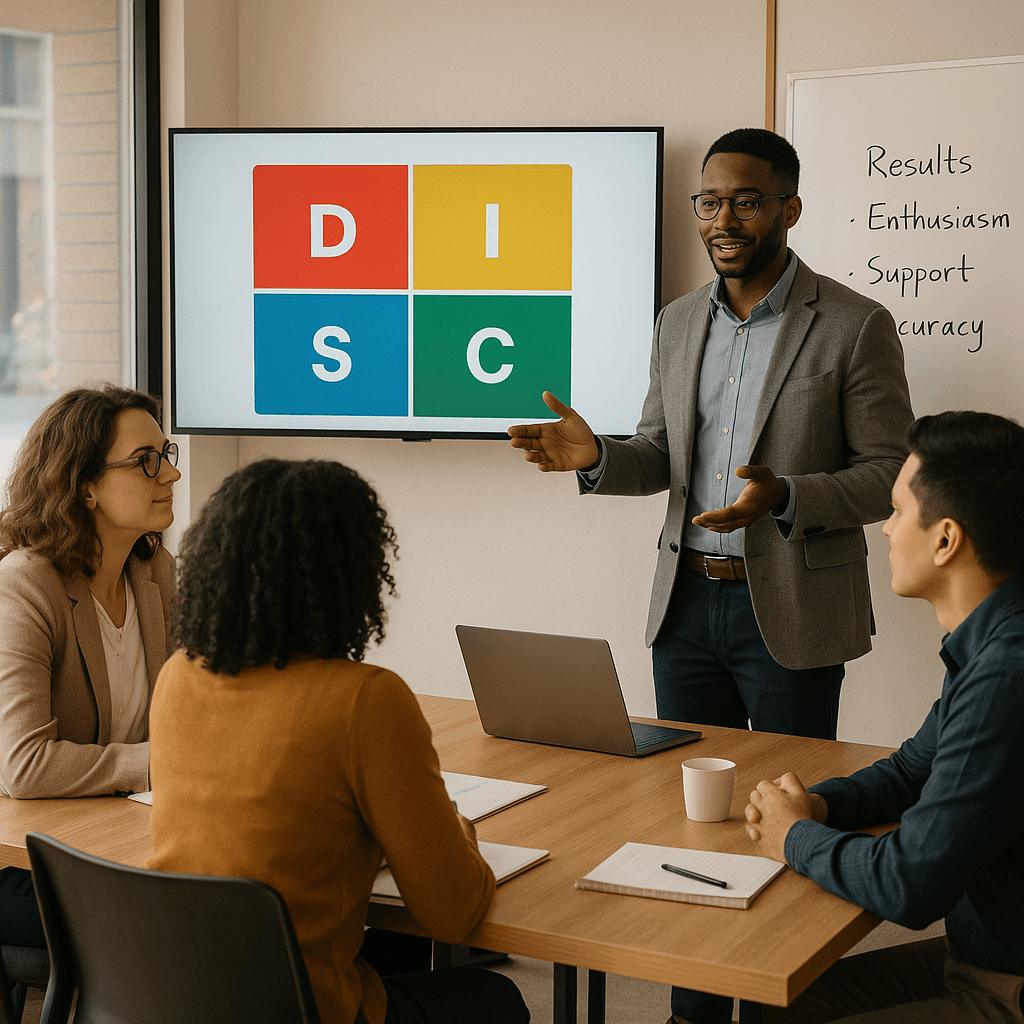
Personality assessments are everywhere these days. Some are fluffy. Some are forgettable. And some - when handled correctly - can genuinely transform how a team communicates, collaborates, and closes deals.
DISC falls into that last category.
But here’s the catch: handing employees a DISC report and wishing them luck is like giving someone a gym membership and expecting six-pack abs by Friday. Insight without training doesn’t stick. It fades. And fast.
This guide walks through how to train staff on DISC assessment results in a way that actually changes behavior - not just sparks a one-day workshop buzz.
Why DISC Training Matters More Than You Think
DISC isn’t about labeling people. It’s about understanding patterns. Behavioral tendencies. Communication preferences. Pressure responses.
Sounds simple, right?
Yet miscommunication remains one of the biggest productivity killers in modern organizations. Deadlines slip. Emails get misread. Feedback turns defensive. Meetings spiral.
Often, it’s not about skill. It’s style.
Training employees on DISC assessment results helps them:
- Recognize their natural communication tendencies
- Adjust tone and delivery for different personalities
- Reduce conflict before it escalates
- Improve leadership adaptability
- Strengthen team trust
When teams understand behavior styles, they stop taking things personally. That shift alone can change everything.
Step 1: Build a Foundation Before the Workshop
Before diving into DISC training, leadership should establish context. Why is the company investing time in this? What outcomes matter?
If DISC feels like a trendy HR experiment, employees will treat it that way.
Instead:
- Explain the business objective - better collaboration, stronger client relationships, clearer feedback.
- Clarify that DISC measures behavior, not intelligence or competence.
- Reinforce that no style is “better.” Each brings strengths and blind spots.
This pre-frame reduces skepticism. And it matters more than most managers realize.
Understanding the Four DISC Styles
D - Dominance
Direct. Decisive. Results-oriented. These individuals move fast and prefer bottom-line conversations. Efficiency fuels them.
I - Influence
Energetic. Persuasive. Relationship-driven. They thrive on interaction and enthusiasm.
S - Steadiness
Supportive. Consistent. Loyal. Stability matters deeply to this group.
C - Conscientiousness
Analytical. Detail-focused. Quality-driven. Precision feels safe.
Here’s a useful metaphor: think of DISC styles as operating systems. You wouldn’t criticize a Mac for not being Windows. They just function differently. Same goal - different wiring.
Step 2: Deliver Interactive DISC Training Sessions
Lecture-style personality training? That’s a recipe for glazed eyes.
Effective DISC training is interactive. It invites reflection. It sparks dialogue.
Here’s what works:
1. Style Mapping Exercises
Place each style in corners of the room. Ask participants to physically move to their primary style. Energy shifts instantly. People see diversity in real time.
2. Communication Role Play
Have a high-D employee pitch an idea to a high-C profile. Then reverse roles. What changes? What friction appears?
3. Strengths and Stress Discussions
Each style lists:
- What motivates them
- What frustrates them
- How they prefer feedback
This alone can unlock empathy across departments.
Go Beyond DISC with Deeper Personality Insight
Here’s a hot take: DISC is powerful, but it’s even stronger when paired with broader psychometric understanding.
Platforms like lifematika.com take personality analysis further by combining eight psychological models into one streamlined assessment. In about 15 minutes - 95 questions - users receive a detailed report covering behavior, motivation, emotional intelligence, and values.
Why does that matter for DISC training?
Because behavior doesn’t exist in isolation. Motivation shapes it. Core values influence it. Emotional awareness refines it.
When leaders understand DISC alongside frameworks like OCEAN, Jungian typology, and Self-Determination Theory, they stop oversimplifying people. And training becomes richer.
Step 3: Personalize Feedback Sessions
Group workshops create awareness. Individual debriefs create transformation.
Managers should schedule one-on-one conversations to review each employee’s DISC assessment results. The tone should be curious, not corrective.
Effective questions include:
- Where do these results feel accurate?
- Where do they miss the mark?
- How do you think your style impacts the team?
- What adjustments would help you succeed?
Self-discovery sticks when individuals feel ownership.
Step 4: Apply DISC to Real Business Scenarios
This is where many organizations drop the ball.
DISC becomes a personality poster on the wall instead of a decision-making tool.
Smart companies integrate DISC into:
Hiring Conversations
Not to eliminate candidates - but to understand fit and communication expectations.
Leadership Development
Managers learn how to flex style depending on the team member.
Conflict Resolution
Instead of asking “Who’s wrong?” ask “Which styles are clashing?”
Sales Strategy
Sales teams adjust pitch tone depending on whether the client displays D, I, S, or C tendencies.
DISC becomes practical when it touches revenue, retention, and results.
Common Mistakes When Training Staff on DISC
Let’s be honest. Even well-intentioned training can misfire.
Watch for these pitfalls:
- Labeling: “She’s such a C.” Dangerous shorthand.
- Excusing behavior: Style explains actions. It doesn’t justify poor conduct.
- Ignoring secondary traits: Most people are blends.
- One-time training: Reinforcement matters.
Behavioral growth is like fitness. It requires repetition. Reflection. Small adjustments over time.
Reinforcing DISC Long-Term
Sustainable change doesn’t happen in a single afternoon workshop.
To keep DISC relevant:
- Incorporate style check-ins during team meetings.
- Add communication preferences to internal profiles.
- Revisit assessments after promotions or major shifts.
- Encourage retesting when life changes occur.
Platforms such as lifematika.com allow individuals to retake assessments and track growth over time. That flexibility helps organizations measure development instead of guessing.
The Leadership Factor
If executives ignore their own DISC results, employees will too.
Leadership must model adaptability. That means:
- Adjusting tone for different team members
- Inviting feedback
- Recognizing personal blind spots
Culture shifts from the top down. Always.
When leaders openly discuss their behavioral tendencies - strengths and flaws - psychological safety expands. People relax. Conversations deepen.
Final Thoughts on Training Staff Using DISC Assessment Results
DISC training isn’t about putting people in boxes. It’s about understanding the boxes they sometimes put themselves in - and learning how to step outside them when necessary.
Teams that embrace behavioral awareness communicate faster. Resolve tension quicker. Sell smarter.
And perhaps most importantly, they stop assuming negative intent.
In a workplace full of deadlines, metrics, and performance reviews, empathy becomes a competitive advantage. DISC simply provides the map.
The real work? That’s human.