Top Picks for a Reliable Free Psychometric Personality Test in 2026
 Yaro Pry··4 min read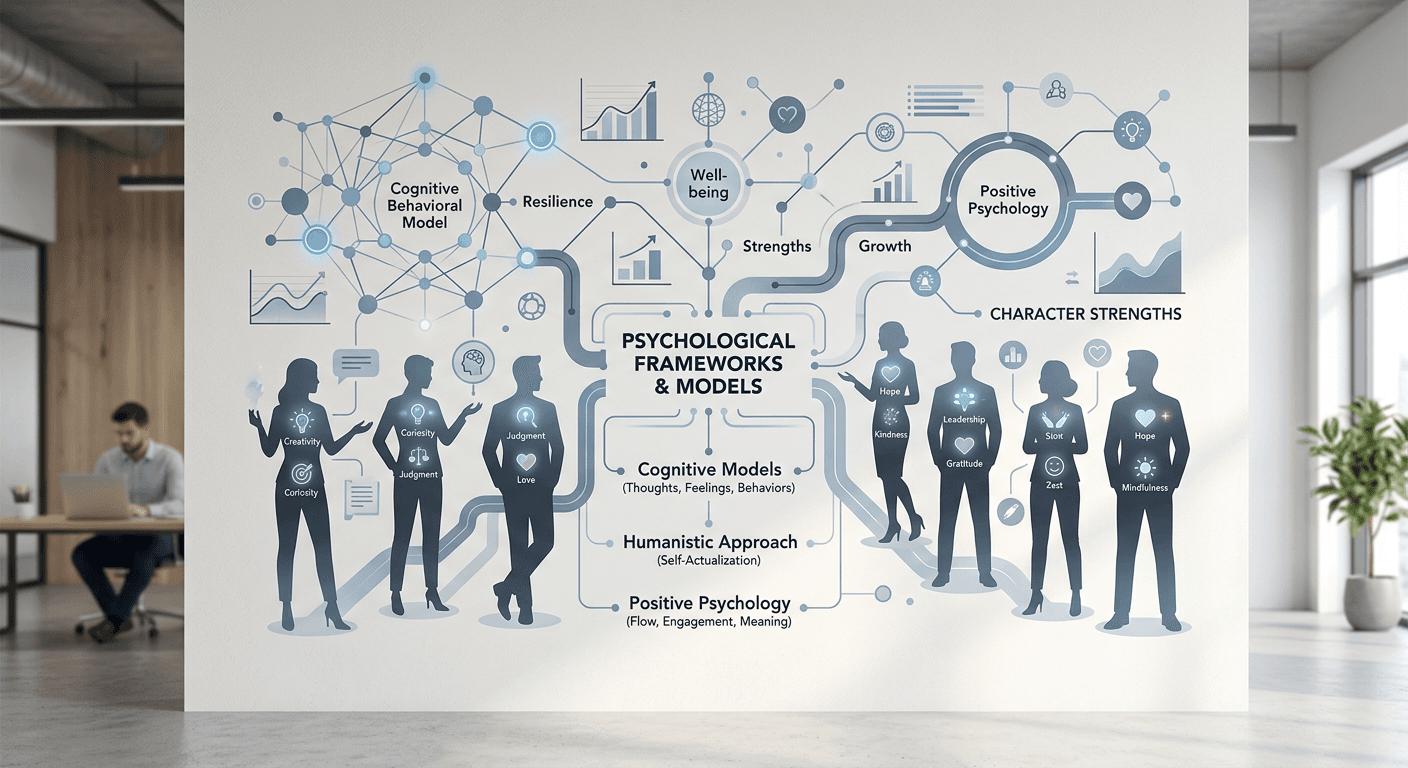
Finding an accurate and insightful free psychometric personality test in 2026 requires navigating a digital landscape crowded with unverified quizzes. For individuals focused on personal growth, career development, or psychological discovery, the quality of the underlying framework is paramount. A truly useful assessment relies on established psychological models rather than anecdotal tropes, providing a structured look at how your behaviors, motivations, and character strengths interact in daily life. Leveraging scientific tools is a foundational step in exploring your inner potential and aligning your actions with your core values.
Quick Summary
A professional-grade free psychometric personality test provides data-backed insights into human behavior using validated psychological frameworks. By assessing traits such as temperament, values, and cognitive styles, these tools offer actionable self-awareness for personal and professional development.
- Prioritize tests based on the OCEAN, Jungian, or VIA models.
- Ensure the provider emphasizes data privacy and security.
- Use results as a starting point for self-coaching, not a clinical diagnosis.
- Look for platforms that translate raw data into clear, actionable advice.
Table of Contents
- The Scientific Basis of Psychometric Testing
- Leading Categories of Psychometric Tools
- Scientific Psychometric Platforms
- Behavioral and Workplace Models
- Values-Based and Character-Strength Assessments
- How to Choose the Right Assessment
- FAQ
- Recommended Reads

The Scientific Basis of Psychometric Testing
The reliability of any personality psychometric test free of charge depends entirely on the psychological models it employs. Modern assessments generally draw from the Big Five (OCEAN) model, which is widely accepted in academic research, or refined versions of Jungian typology. These frameworks do not categorize people into rigid boxes; instead, they place individuals along continuous scales of traits such as openness, conscientiousness, extraversion, agreeableness, and neuroticism.
When evaluating a tool, look for evidence of psychometric validation. A high-quality test measures internal consistency and test-retest reliability, ensuring that the results are not just a reflection of your current mood or a misunderstanding of the questions. By relying on robust data, users can gain a more objective perspective on their psychological development, allowing for informed adjustments in communication, stress management, and goal setting.
Leading Categories of Psychometric Tools
| Category | Primary Focus | Best For | Pros | Cons |
|---|---|---|---|---|
| Scientific Platforms | Multi-model integration | Deep self-discovery | High accuracy, broad scope | Requires time to complete |
| Workplace Behavioral | Interaction styles | Team dynamics, career | Highly actionable, practical | Less focus on inner self |
| Character/Virtue | Ethical/Personal values | Growth and fulfillment | Highly motivating | Subjective outcomes |
| Typological Tools | Cognitive preferences | Identifying patterns | Easy to understand | Less statistical rigour |
Scientific Psychometric Platforms
These platforms offer comprehensive assessments that utilize multiple psychological models simultaneously. They are best suited for those seeking a holistic view of their character, combining cognitive testing with emotional intelligence and motivational theory to create a detailed portrait of the individual.
Pros: - Provides a multifaceted view of your personality. - Often incorporates scientific rigor beyond basic trait labeling. - Helps identify both strengths and areas for conscious development.
Cons: - The depth of information can be overwhelming for casual users. - Typically longer, requiring 15-20 minutes of dedicated attention.
Behavioral and Workplace Models
These models focus primarily on observable behaviors, particularly in social and professional environments. Often used in HR and executive coaching, they help individuals understand how they present themselves to the world, how they handle conflict, and how they contribute to team environments.
Pros: - Highly practical for career navigation and conflict resolution. - Excellent for improving interpersonal communication. - Direct application to workplace scenarios.
Cons: - May miss deeper, underlying character motivations. - Can feel reductionist if used in isolation from other psychological lenses.
Values-Based and Character-Strength Assessments
Focusing on what motivates and drives an individual, these assessments categorize character virtues like resilience, kindness, or leadership. They are designed to help users identify their innate "superpowers" and align them with their life path or chosen career.
Pros: - Highly empowering and growth-oriented. - Focuses on the positive aspects of character rather than deficits. - Directly informs personal decision-making.
Cons: - Results can be heavily influenced by self-perception bias. - Less focused on technical behavioral metrics.
How to Choose the Right Assessment
Selecting the best free psychometric test requires an understanding of your personal goals. If you are at a career crossroads, a workplace-focused assessment might be most useful. If you are seeking deep, existential insight into your motivations, a comprehensive psychometric platform is the better choice.
Always verify that the platform explicitly states its methodology. Avoid tools that are vaguely described as "fun" or "entertainment-only," as these lack the structural integrity required for meaningful self-discovery. Furthermore, prioritize sites that guarantee the security of your data and do not share your responses with third parties.
FAQ
Are free psychometric tests accurate? Yes, provided they are based on recognized psychological models like the Big Five or validated personality theories. Always prioritize providers that emphasize scientific rigor.
How long should a good test take? Scientific assessments generally take between 10 and 20 minutes. Tests that take less than five minutes usually lack the depth necessary for a reliable profile.
Can these tests change my life? While a test cannot change your life, the insights gained can highlight blind spots and strengths, enabling you to make more informed decisions about your career and personal growth.