The Link Between Motivation Levels and Mental Health
 Yaro Pry··5 min read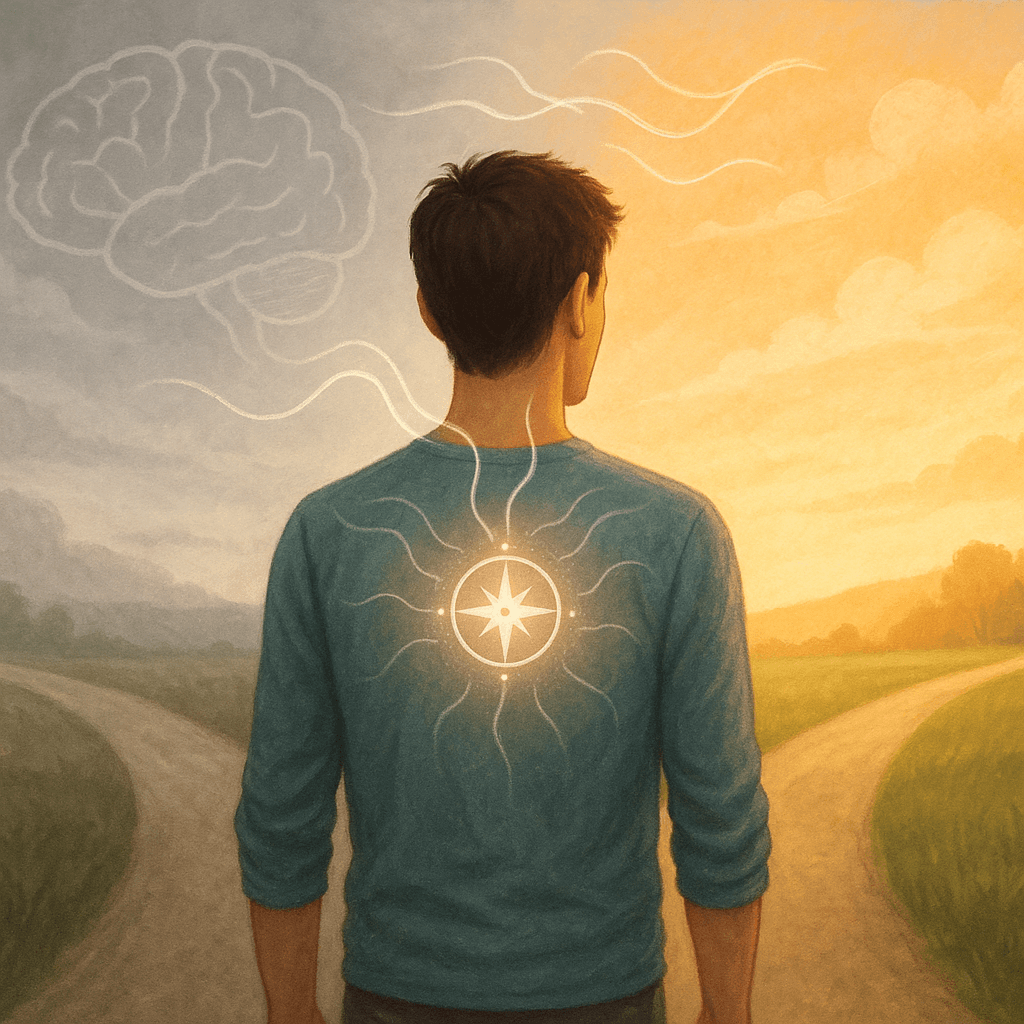
Motivation is a funny thing. Some days it feels like a roaring engine - powerful, steady, ready to take on the world. Other days? It sputters. It stalls. It disappears entirely.
Here’s the part most people miss: motivation and mental health are deeply intertwined. Not loosely connected. Not vaguely related. Intertwined, like two vines climbing the same wall.
If you ask many psychologists, they’ll say the same thing - when motivation drops, mental health often follows. And when mental health suffers, motivation rarely survives untouched. It becomes a loop. A quiet one. But powerful.
So what’s really going on beneath the surface?
What Are Motivation Levels, Really?
Motivation isn’t just "feeling inspired." It’s not a productivity hack or a morning routine. It’s the psychological fuel that drives action.
At its core, motivation answers one question: Why do we act?
Researchers often divide it into categories:
- Intrinsic motivation - doing something because it feels meaningful or enjoyable.
- Extrinsic motivation - acting because of rewards, recognition, or avoiding consequences.
- Amotivation - the absence of drive altogether.
Sounds simple, right? But human behavior is rarely simple.
According to Self-Determination Theory, one of the most respected frameworks in psychology, people thrive when three core needs are met:
- Autonomy - feeling in control of choices.
- Competence - believing in personal ability.
- Relatedness - feeling connected to others.
When those pillars weaken, motivation often cracks.
The Mental Health Connection
Mental health and motivation behave like dance partners. When one stumbles, the other adjusts - sometimes gracefully, sometimes not.
Low Motivation and Depression
One of the hallmark symptoms of depression is diminished drive. Tasks that once felt effortless suddenly feel like climbing a mountain with a backpack full of bricks.
It’s not laziness. It’s not a lack of discipline. It’s neurological, emotional, and deeply psychological.
Brain chemistry shifts. Reward systems dull. Activities that once triggered satisfaction no longer spark the same response. The engine runs, but barely.
Anxiety and Overdrive
Here’s a hot take - high motivation isn’t always healthy.
Sometimes anxiety disguises itself as relentless productivity. Constant busyness. Endless checking. Over-preparing. It looks impressive from the outside. Inside? It can feel like running on a treadmill that never stops.
That kind of motivation isn’t fueled by purpose. It’s powered by fear.
Burnout and Emotional Exhaustion
Burnout sits at the crossroads of motivation and mental strain. Prolonged stress drains emotional resources, and once those are depleted, enthusiasm evaporates.
People often describe burnout as feeling "numb" or "detached." That’s not coincidence. Emotional intelligence research shows that when individuals struggle to process stress, their drive shrinks alongside their resilience.
The Science Behind the Loop
Modern psychometrics reveals something fascinating - motivation is not isolated. It connects to personality traits, emotional regulation, core values, and behavioral style.
Consider these research-backed influences:
- Big Five traits - Conscientiousness often predicts persistence, while Neuroticism may impact stress-driven effort.
- Jungian typology - Introversion and extraversion influence how energy is restored.
- DISC styles - Dominance-driven individuals may push harder under pressure, while Steadiness types may withdraw.
- Character strengths - Identifying natural virtues increases intrinsic engagement.
- Core values - Actions misaligned with values quietly erode motivation.
Imagine trying to row a boat while facing the opposite direction. You’re moving, technically. But it’s inefficient, frustrating, exhausting.
That’s what life feels like when motivation clashes with personality structure or values.
Why Self-Awareness Changes Everything
Here’s something worth sitting with: many people struggle with motivation not because they lack discipline, but because they lack clarity.
Clarity about:
- What actually drives them
- How they respond to stress
- Which environments energize or drain them
- What internal needs remain unmet
Without insight, it’s guesswork. And guesswork is exhausting.
That’s where structured psychological tools can make a difference. Platforms like lifematika.com take a scientific approach to self-discovery. Instead of offering vague personality labels, the platform integrates eight established psychological models into one streamlined 95-question assessment.
Fifteen minutes. No registration required. Instant detailed analysis.
More importantly, it evaluates motivational levels alongside emotional intelligence, personality structure, behavioral patterns, and core values. That holistic view matters.
Because motivation doesn’t exist in isolation.
How Misaligned Motivation Impacts Mental Health
Let’s break this down practically.
1. Chasing External Rewards Only
When motivation relies purely on validation - promotions, praise, social approval - mental health becomes fragile. Why? Because external rewards fluctuate.
One missed opportunity can feel catastrophic.
2. Ignoring Core Values
Schwartz’s theory of basic values shows that decisions guided by authentic principles increase psychological well-being. When daily actions contradict personal beliefs, internal tension builds.
Over time, that tension morphs into dissatisfaction. Then fatigue.
3. Emotional Suppression
Emotional intelligence plays a surprising role in sustained drive. People who struggle to recognize or regulate feelings often burn through motivation quickly. It’s like driving with the emergency brake slightly engaged - progress happens, but at a cost.
Signs Your Motivation and Mental Health Are Out of Sync
Not sure where things stand? Watch for these signals:
- Persistent procrastination despite clear goals
- Feeling busy but not fulfilled
- Sudden loss of interest in meaningful activities
- Exhaustion without clear physical cause
- Increased irritability or emotional reactivity
None of these automatically mean a disorder. But they’re data points. And data matters.
Rebuilding Healthy Motivation
Improving motivation isn’t about forcing discipline. It’s about recalibration.
Step 1 - Identify Your True Drivers
Are you motivated by growth? Stability? Influence? Creativity? Security?
Understanding motivational levels - especially through validated assessments - provides a roadmap instead of a guessing game.
Step 2 - Align Goals With Personality
A highly conscientious individual may thrive with structured plans. A spontaneous, high-openness personality might need flexibility. Fighting natural tendencies drains energy.
Step 3 - Strengthen Emotional Awareness
Emotions are not obstacles. They’re signals. Learning to interpret them improves resilience and sustainable drive.
Step 4 - Reassess After Major Life Changes
Motivation shifts after career changes, relationships, relocations, or personal setbacks. Retaking assessments over time - something lifematika.com allows - can reveal growth patterns and new needs.
The Bigger Picture
Mental health isn’t just the absence of illness. It’s the presence of alignment. Between action and values. Between effort and meaning. Between personality and environment.
Motivation acts like a compass. When it spins wildly or stops pointing anywhere at all, something deeper may be off balance.
Have you ever noticed how energized you feel when working toward something that truly resonates? Time moves differently. Effort feels lighter. That’s not coincidence. That’s psychological alignment.
On the flip side, pushing through goals that clash with internal values can feel like swimming upstream in heavy boots. Possible, yes. Sustainable? Rarely.
Why a Scientific Approach Matters
The internet is full of motivational advice. Wake up earlier. Hustle harder. Think positive.
Honestly, that’s surface-level.
Real insight comes from understanding the architecture of personality. Comprehensive psychometric platforms combine models like OCEAN, DISC, Jungian typology, motivational theory, character strengths, and emotional intelligence into one cohesive analysis.
When over 1,000 users explore structured reports grounded in peer-reviewed research, patterns emerge. People gain language for what they’ve been feeling all along.
And language creates clarity.
Final Thoughts on Motivation and Mental Health
Motivation isn’t about willpower alone. It’s a reflection of psychological health, unmet needs, personality structure, and emotional balance.
When mental health improves, motivation often rises naturally. When motivation aligns with values and strengths, mental health stabilizes. It’s reciprocal.
The key isn’t pushing harder. It’s understanding deeper.
Because at the end of the day, sustainable motivation feels less like pressure and more like momentum. And momentum - once aligned - can carry a person further than force ever could.