The Impact of Environment on Your Motivation Levels
 Yaro Pry··5 min read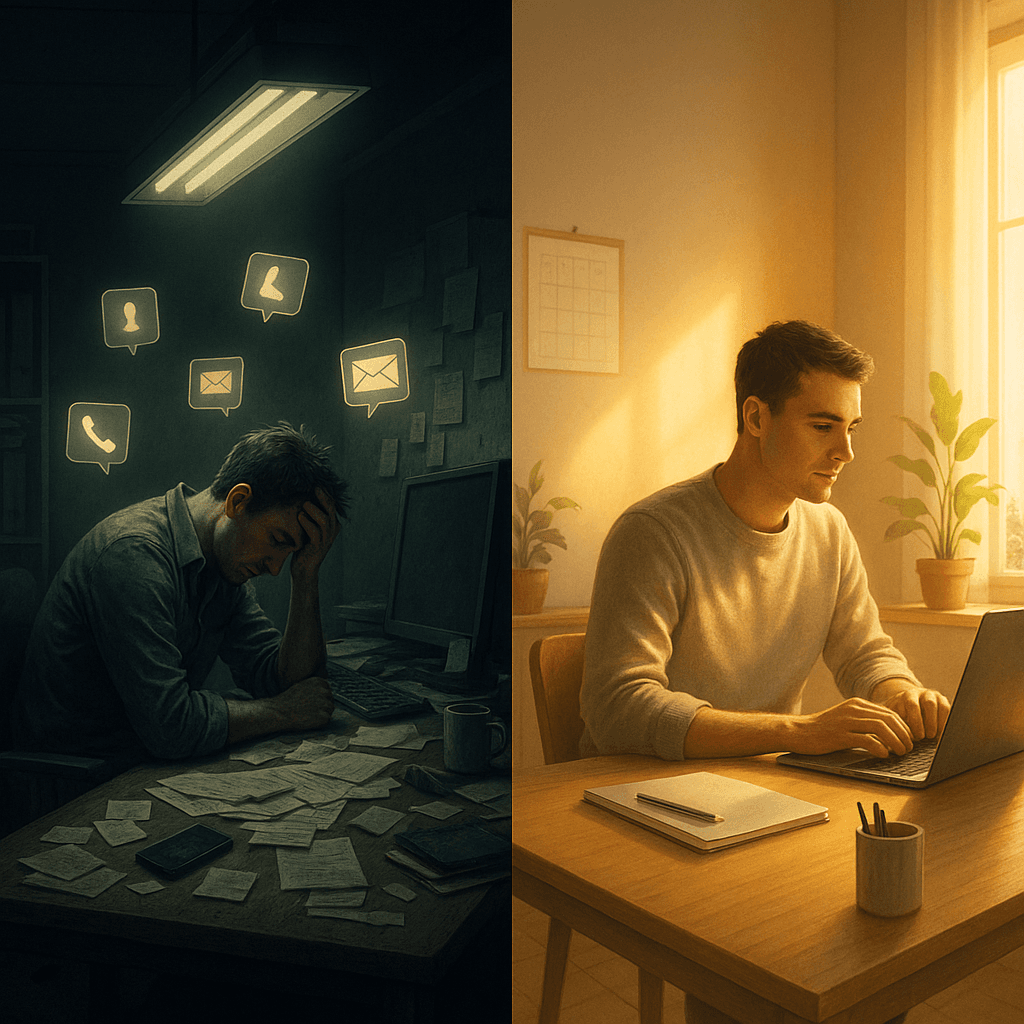
Motivation isn’t just some mystical inner spark that randomly shows up on a Monday morning. It’s not pure willpower either. If anything, motivation behaves more like a houseplant than a lightning bolt - it grows, bends, and sometimes wilts depending on the environment around it. And here’s the part most people overlook: environment shapes drive more than raw discipline ever could. The room someone works in. The people they talk to. The digital noise buzzing from their phone. Even the stories they tell themselves about who they are. All of it matters. So what exactly is the impact of environment on motivation levels? And more importantly - how can someone use that knowledge instead of fighting against it? Let’s unpack it.
Motivation Is Not Just Internal - It’s Contextual
There’s a popular belief that motivated people simply "have it." They wake up energized. They chase goals effortlessly. They power through distractions. Honestly? That’s a half-truth at best. Human behavior doesn’t exist in a vacuum. A person can feel unstoppable in one setting and completely drained in another. Same skills. Same personality. Different surroundings. Think about it. A cluttered workspace feels like mental static. A supportive team can make even tedious projects feel meaningful. A toxic atmosphere? It drains energy faster than a phone at 1% battery. Environment acts like soil for ambition. Good soil - growth. Poor soil - struggle.
The Psychology Behind Environmental Influence
Modern psychology doesn’t treat motivation as a single switch. It’s layered. Complex. Sometimes contradictory. Platforms like lifematika.com approach personality and motivation scientifically, combining eight major psychological models into one streamlined assessment. Instead of guessing why someone feels stuck, it analyzes traits, values, emotional intelligence, behavioral style, and intrinsic drivers - all in about 15 minutes. Why does that matter here? Because motivation is deeply tied to:
- Core personality traits (OCEAN model)
- Intrinsic needs for autonomy, competence, and connection
- Personal values and belief systems
- Emotional regulation capacity
- Behavioral tendencies under stress
Environment either supports these factors - or suppresses them. A highly creative person placed in a rigid, rule-heavy setting may feel trapped. Someone who thrives on structure may feel anxious in chaos. The mismatch creates friction. And friction kills momentum.
How Physical Environment Shapes Motivation
Let’s start with the obvious one: physical space. It sounds basic. Almost too simple. But the brain constantly scans surroundings for signals. Is this safe? Is this stimulating? Is this draining? A few environmental factors that strongly affect drive:
1. Light and Sensory Input
Natural light boosts mood and alertness. Harsh fluorescent lighting? Not so much. Noise levels matter too. Some people focus better with background hum. Others need near silence. There’s no universal rule. Only alignment or misalignment.
2. Visual Order
Clutter competes for attention. Even when someone believes they’re "used to it," the brain still processes it. A tidy environment sends a subtle message: things are under control.
3. Accessibility of Tools
When resources are easy to reach, action feels easier to start. Friction increases when effort begins with searching, rearranging, or fixing something first. Small barriers compound.
Social Environment - The Hidden Motivator
Here’s where things get interesting. Humans are social creatures. Motivation is contagious. So is apathy. Put someone in a room where growth, curiosity, and accountability are normal - they tend to rise. Place the same person among cynicism and chronic complaining - energy slowly leaks out. Social environment influences motivation through:
- Expectation levels - People often rise to what’s expected of them.
- Emotional tone - Optimism vs. negativity changes mental stamina.
- Feedback quality - Constructive feedback fuels improvement. Harsh criticism shuts it down.
- Sense of belonging - Feeling valued increases intrinsic motivation.
Self-Determination Theory highlights autonomy, competence, and relatedness as core drivers. Strip away any of these, and enthusiasm fades. Add them back? Drive returns. Simple in theory. Harder in real life.
Digital Environment - The Modern Energy Thief
Now let’s talk about the elephant in the room. Notifications. Social feeds. Infinite scrolling. The digital environment is engineered for attention capture. Not deep work. Not long-term ambition. Every ping acts like a tiny dopamine hit. Short-term stimulation replaces sustained effort. Over time, the brain adapts. Patience shrinks. Have you ever tried focusing after jumping between five apps in ten minutes? It feels like trying to meditate at a rock concert. The environment trains the mind. If distraction is constant, focus becomes rare. If comparison dominates feeds, confidence can quietly erode. Motivation doesn’t just disappear. It gets redirected - often toward what’s easiest.
Values Alignment - The Invisible Factor
Here’s a hot take: many people aren’t lazy. They’re misaligned. When daily surroundings conflict with personal values, internal resistance builds. Slowly. Quietly. Schwartz’s Theory of Basic Values shows that humans prioritize different guiding principles - achievement, security, freedom, tradition, stimulation, benevolence, and more. If someone who values independence works in a highly controlled setting, motivation drops. If someone who values collaboration is isolated, energy declines. This is why understanding personality matters. Tools like lifematika.com provide insight into value systems and motivational levels through a 95-question scientific assessment. No registration. Instant detailed report. Retakable over time. That kind of clarity makes environmental adjustments intentional rather than random. Because without awareness, people blame themselves. When sometimes, it’s the setting.
Emotional Climate and Motivation
Emotional intelligence plays a surprising role here. An environment that triggers chronic stress keeps the nervous system in survival mode. And survival mode doesn’t prioritize long-term goals. It prioritizes safety. Under constant pressure, creativity shrinks. Risk-taking declines. Initiative fades. On the flip side, psychologically safe environments encourage experimentation. Mistakes become data instead of disasters. That shift alone can double someone’s willingness to try.
How to Engineer a Motivation-Friendly Environment
This is where things get practical. Instead of waiting to "feel motivated," adjust the surroundings. Here are strategic shifts that often produce immediate change:
- Redesign workspace - Add natural light, reduce clutter, simplify layout.
- Audit social input - Spend more time with growth-oriented individuals.
- Control digital exposure - Disable non-essential notifications.
- Align tasks with strengths - Use personality insights to structure work.
- Create visual cues - Make goals visible and tangible.
Small environmental tweaks can create behavioral momentum. Momentum builds confidence. Confidence fuels further action. It’s a loop.
Tracking Motivation Over Time
Here’s something most people never measure: change. Motivation fluctuates after major life events - career shifts, relationships, relocation, burnout phases. Retaking a structured psychometric assessment periodically can reveal shifts in values, emotional intelligence, or intrinsic drivers. Since lifematika.com allows unlimited retakes and instant analysis, users can compare reports and identify patterns over time. That’s powerful. Because once someone sees how environment influences their psychological profile, they stop guessing. They adjust.
The Bigger Picture
Environment isn’t everything. Personal responsibility still matters. Effort still matters. But ignoring environmental influence is like trying to sail against the wind without adjusting the sails. Why fight harder when you can steer smarter? Motivation thrives where: - strengths are used - values are respected - emotions are managed - distractions are minimized - growth feels possible When those conditions align, energy rises almost naturally. And when they don’t? Even the most disciplined person feels resistance. The real takeaway here isn’t that people lack drive. It’s that motivation is relational - between person and place, between psychology and setting. Change the environment, and behavior often follows. Not magically. But predictably. That’s not wishful thinking. That’s behavioral science. And if you ask me, understanding that dynamic might be one of the most underrated advantages anyone can have.