The Ethics of Personality Testing in Hiring
 Yaro Pry··5 min read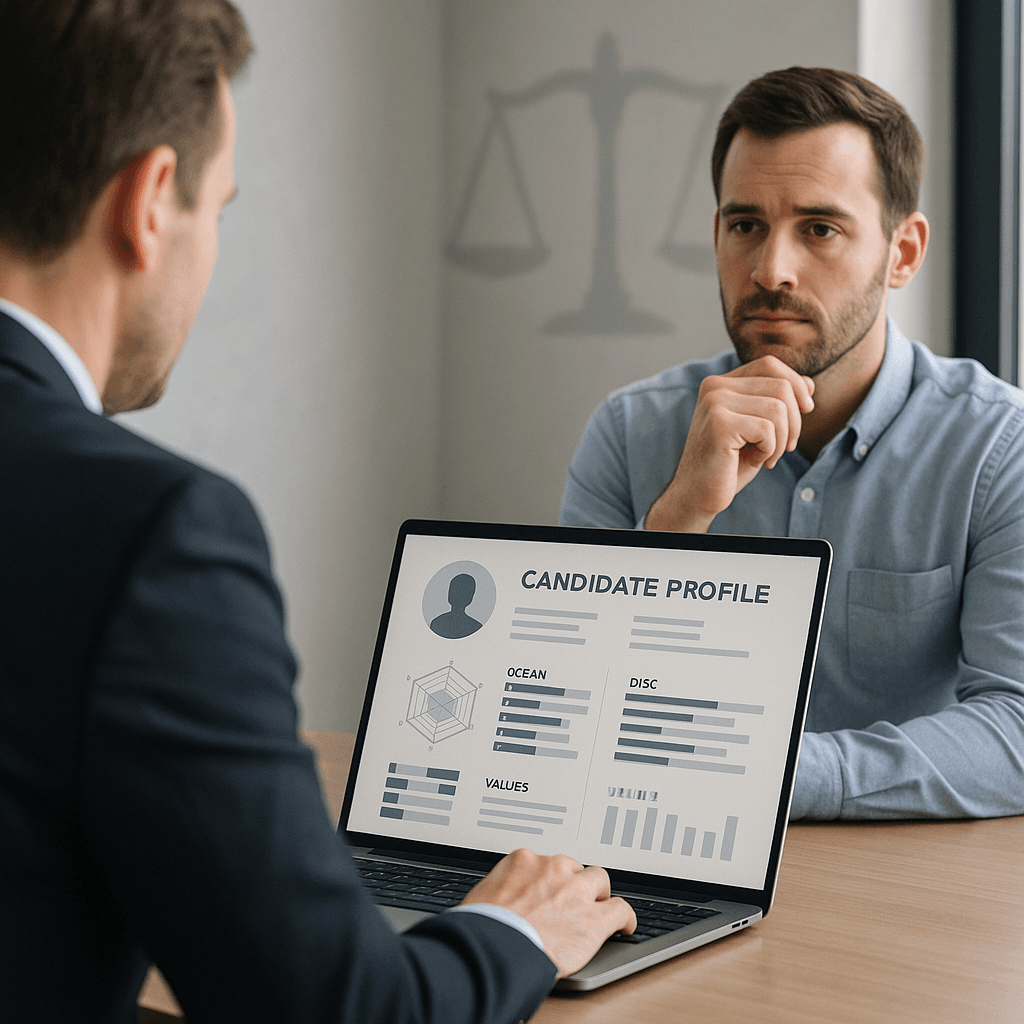
Personality testing in hiring sits at a strange crossroads. On one hand, companies want smarter recruitment decisions. On the other, job candidates worry about being reduced to a chart, a label, a tidy four-letter code. It’s a fair concern. Employers are chasing data. Applicants are guarding their dignity. Somewhere in between lies the real question - can personality assessments be used ethically in hiring, or are they just a polished way to filter people out? Let’s dig in.
Why Employers Love Personality Testing
Hiring is expensive. A bad hire? Even worse. Lost productivity, morale dips, onboarding costs - it adds up fast. So organizations reach for tools that promise clarity. Personality assessments claim to help employers:
- Predict job performance
- Assess cultural fit
- Improve team dynamics
- Reduce turnover
- Understand communication styles
Sounds reasonable, right? The logic is simple: if you understand how someone thinks, reacts, and communicates, you can better predict how they’ll perform. It’s like checking the operating system before installing the software. But here’s the hot take - people are not operating systems. They’re complicated. Context-driven. Capable of growth. And sometimes wildly different at work than they are at home.
The Ethical Tension: Insight vs. Invasion
This is where things get tricky. A well-designed personality test can offer meaningful insights. A poorly designed one? It can stereotype, misclassify, or unfairly exclude candidates. Ethical hiring practices hinge on a few core principles:
1. Scientific Validity
If a company is going to assess personality, the tool must be grounded in credible psychological research. Not trendy buzzwords. Not vague archetypes. Not internet quizzes. Serious platforms - like lifematika.com - base assessments on multiple peer-reviewed psychological models. That matters. It reduces bias. It increases reliability. It respects the science. Lifematika, for example, combines eight established frameworks including:
- OCEAN - the Big Five personality traits
- Jungian typology
- DISC behavioral styles
- VIA character strengths
- Self-Determination Theory
- Schwartz’s values model
- Emotional intelligence metrics
- Motivational level analysis
That kind of multidimensional approach avoids flattening a person into a single score. It treats personality like a landscape, not a label.
2. Informed Consent
Candidates should know:
- Why they’re taking the test
- How results will be used
- Who will see the data
- Whether it impacts hiring decisions
Transparency builds trust. Silence breeds suspicion. If applicants feel tricked into revealing psychological data, the ethical line has already been crossed.
3. Relevance to the Role
Here’s an uncomfortable truth - not every role requires deep personality screening. Does an entry-level warehouse job require a 45-minute cognitive profile? Probably not. Ethical use means alignment. The assessment must connect directly to job requirements. Otherwise, it becomes noise. Or worse, discrimination dressed up as insight.
The Risk of Algorithmic Bias
Technology has amplified personality testing. Digital platforms can process responses instantly, generate reports, and even rank candidates automatically. Efficient? Absolutely. Dangerous? Potentially. Algorithms inherit the biases of their creators. If a model is trained on narrow data sets, it can unintentionally favor certain personality patterns over others. Imagine a company historically dominated by extroverts. If hiring managers equate energy with competence, introverted candidates might be quietly filtered out - even if the job requires focus and analytical thinking. That’s not science. That’s cultural bias with a spreadsheet. Ethical platforms counter this by:
- Using diverse validation samples
- Relying on established psychological theory
- Avoiding rigid pass-fail scoring
- Providing nuanced interpretation rather than binary outcomes
It’s the difference between a diagnostic tool and a sorting machine.
Privacy - The Elephant in the Interview Room
Personality data is sensitive. It reveals emotional patterns, motivational drivers, even value systems. Handled carelessly, it can feel invasive. Strong ethical standards require:
- Confidential data storage
- Limited access to results
- Clear deletion policies
- No secondary use without consent
Platforms like Lifematika emphasize strict confidentiality, using data solely to generate personal reports. That model - privacy-first, user-controlled - should be the industry baseline, not a bonus feature. Because once trust is broken, it’s nearly impossible to rebuild.
Can Personality Tests Improve Fairness?
Now here’s the twist. When done correctly, personality testing can actually reduce bias. Think about traditional hiring. Resumes favor pedigree. Interviews reward charisma. Gut instinct dominates. A structured, validated assessment can level the playing field by:
- Standardizing evaluation criteria
- Reducing reliance on first impressions
- Highlighting strengths beyond surface confidence
- Identifying potential, not just polish
Someone who struggles in unstructured interviews might shine in a scientifically grounded personality profile. That’s powerful. But - and this is crucial - assessments should inform decisions, not dictate them. Human judgment still matters.
Where Companies Often Go Wrong
Ethical problems usually arise from misuse, not the tool itself. Common mistakes include:
Over-Reliance
Treating personality results as definitive truth. They’re indicators, not verdicts.
One-Size-Fits-All Benchmarks
Copying a "top performer" profile and hiring only candidates who match it. Teams need diversity of thought, not clones.
Lack of Feedback
Candidates invest time completing assessments. Offering zero feedback feels transactional. Even brief summaries show respect. Lifematika’s model - instant, detailed analytical reports delivered immediately after a 95-question, 15-minute assessment - demonstrates how feedback can be integrated seamlessly. And the fact that users can retake it to track change over time? That reflects something important: personality evolves. People grow. Careers shift. Motivations transform. A static snapshot should never become a permanent label.
The Candidate’s Perspective
From the applicant side, personality testing can feel like stepping onto a psychological stage. Every answer carries weight. Every choice feels strategic. Candidates may wonder:
- Should they answer honestly?
- Should they answer strategically?
- Is there a "right" personality for this role?
That anxiety reveals a deeper issue - trust. When organizations clearly communicate that there are no perfect types, only role alignment, pressure decreases. Honesty increases. Results become more meaningful. It’s like adjusting a mirror. If the reflection feels distorted, people won’t believe what they see.
Best Practices for Ethical Personality Testing in Hiring
For companies determined to use these tools responsibly, a few guidelines stand out:
- Choose scientifically validated platforms.
- Ensure assessments are job-relevant.
- Provide transparency about data usage.
- Combine results with structured interviews.
- Audit for bias regularly.
- Offer candidates access to their insights.
Ethical hiring isn’t about avoiding technology. It’s about using it wisely.
The Bigger Question
At its core, this debate isn’t really about personality tests. It’s about power. Who defines potential? Who decides fit? Who interprets human complexity? When handled carelessly, assessments can narrow opportunity. When handled responsibly, they can expand understanding. Personality testing in hiring isn’t inherently ethical or unethical. It’s a tool. Like a compass. In steady hands, it guides. In careless ones, it misleads. If organizations commit to science, transparency, and respect for candidate autonomy, these tools can elevate hiring practices rather than undermine them. And honestly, in a world where resumes are curated highlight reels and interviews often reward performance over substance, a well-designed, research-based assessment might be one of the few ways to see the person behind the polish. The future of hiring will likely include personality analytics. That seems inevitable. The real challenge? Ensuring humanity stays at the center of the process. Because no data point - no matter how sophisticated - can replace empathy, fairness, and thoughtful judgment. And if you ask many organizational psychologists, that balance is where ethical personality testing truly begins.