The Enneagram Explained: Everything You Need to Know
 Yaro Pry··3 min read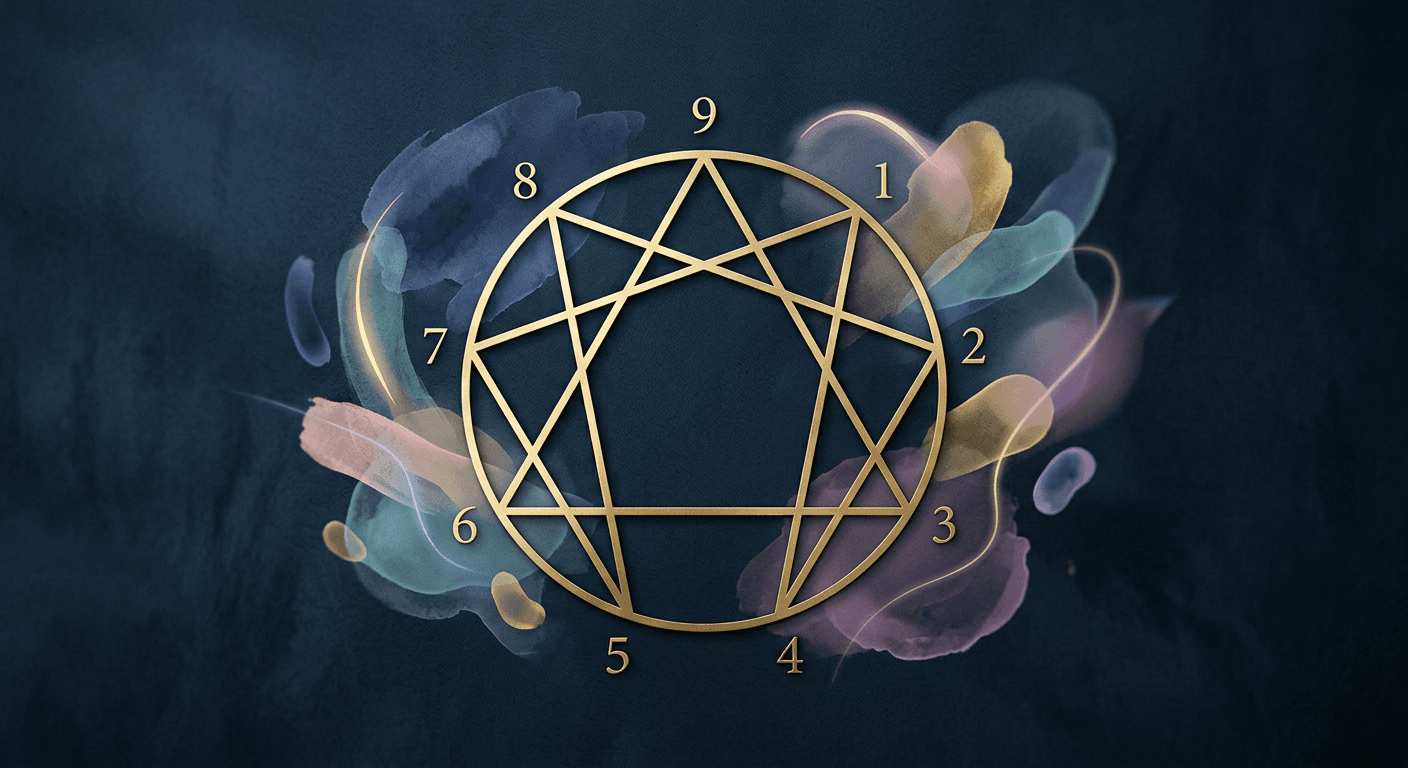
Trying to decode the human psyche is a bit like trying to fold a fitted sheet - frustrating, messy, and usually ends with you balled up on the floor in defeat. That is where the enneagram enters the chat. It is not just another personality test that gives you a label like 'The Outgoing Helper' and sends you on your way. Honestly, I believe it is more of a roadmap for the parts of ourselves we usually try to hide in the trunk. If you are tired of wondering why you react the way you do, this system might just be the lightbulb moment you have been waiting for.
Quick Summary {#quick-summary}
The enneagram is a sophisticated model of human psyche describing nine interconnected personality types, each driven by distinct core motivations and fears. Unlike static assessments, it focuses on growth paths, helping individuals understand their unconscious triggers to move toward healthier, more integrated versions of themselves.
- Nine distinct personality types mapped to core motivations.
- Emphasis on internal growth and behavioral patterns.
- Identifies both strengths and blind spots.
- Useful for emotional intelligence and relationship dynamics.
Table of Contents {#table-of-contents}
- Decoding the Enneagram Types
- Why Enneagram Numbers Matter
- Understanding the Enneagram Personality Assessment

Decoding the Enneagram Types {#decoding-the-enneagram-types}
So, what are the enneagram types, anyway? People love to treat this system like a box, but it is actually more of a dynamic map. You have nine core numbers, arranged on a geometric figure that looks like something out of a sacred geometry textbook. Each number represents a different worldview. Some people are driven by a need for perfection, while others are chasing freedom or trying to avoid conflict at all costs. It is less about what you do and more about why you do it.
The Core Drivers Behind the Numbers
If you ask me, the brilliance of the system lies in the 'why.' You might see two people acting similarly, but their internal engines are totally different. One person helps others because they crave validation; another helps because they are terrified of being perceived as selfish. Understanding this distinction is huge. It builds empathy in ways you probably did not expect. If you want to get a sense of your own tendencies, you can always explore your core motivations via a personality test to see where your default settings lie.
Why Enneagram Numbers Matter {#why-enneagram-numbers-matter}
Why do we care about these specific digits? Because they act as a mirror. Sometimes, we don't realize we are acting out of a place of fear until someone points it out. The numbers aren't meant to be labels; they are meant to be wake-up calls. Take the perfectionist - they don't strive for excellence just because they want a gold star. They do it because, deep down, they fear being 'bad' or 'wrong.' That is a heavy burden to carry, right? By labeling these patterns, we take the power away from our automatic reactions.
Patterns of Growth and Stress
One of the most fascinating parts of this system is that it changes under pressure. When you are stressed, you might adopt the less-desirable traits of another number. When you are growing, you might tap into the strengths of a different type entirely. It is fluid. If you feel like your current patterns are keeping you stuck, checking out some personal growth insights can help you identify which direction you are leaning in right now. Sounds simple, right? It isn't, but it is effective.
Understanding the Enneagram Personality Assessment {#understanding-the-enneagram-personality-assessment}
Here is a hot take: most online quizzes are barely scratching the surface. An enneagram personality assessment isn't a one-and-done scenario. It is a lifelong process of observation. You might test as a Type 5 today, but realize next month that your 'fiver' traits were actually a defense mechanism for a deeper fear of inadequacy. Don't be afraid to keep digging. The goal isn't to get a number and print it on a t-shirt. The goal is self-awareness. When you know why you get defensive when you feel ignored, you stop blaming everyone around you and start looking at the internal work needed to shift your perspective.
Navigating Your Unique Path
Ultimately, this is about freedom. Most of us are walking around on autopilot, reacting to stimuli based on outdated software we installed when we were seven years old. The system helps you update that code. Learn more about the fundamentals of human behavior as you begin to peel back the layers of your personality. It is messy work. It is uncomfortable. But, honestly? It is the most rewarding thing you can do for your personal evolution.