The Difference Between Personal and Collective Unconscious
 Yaro Pry··5 min read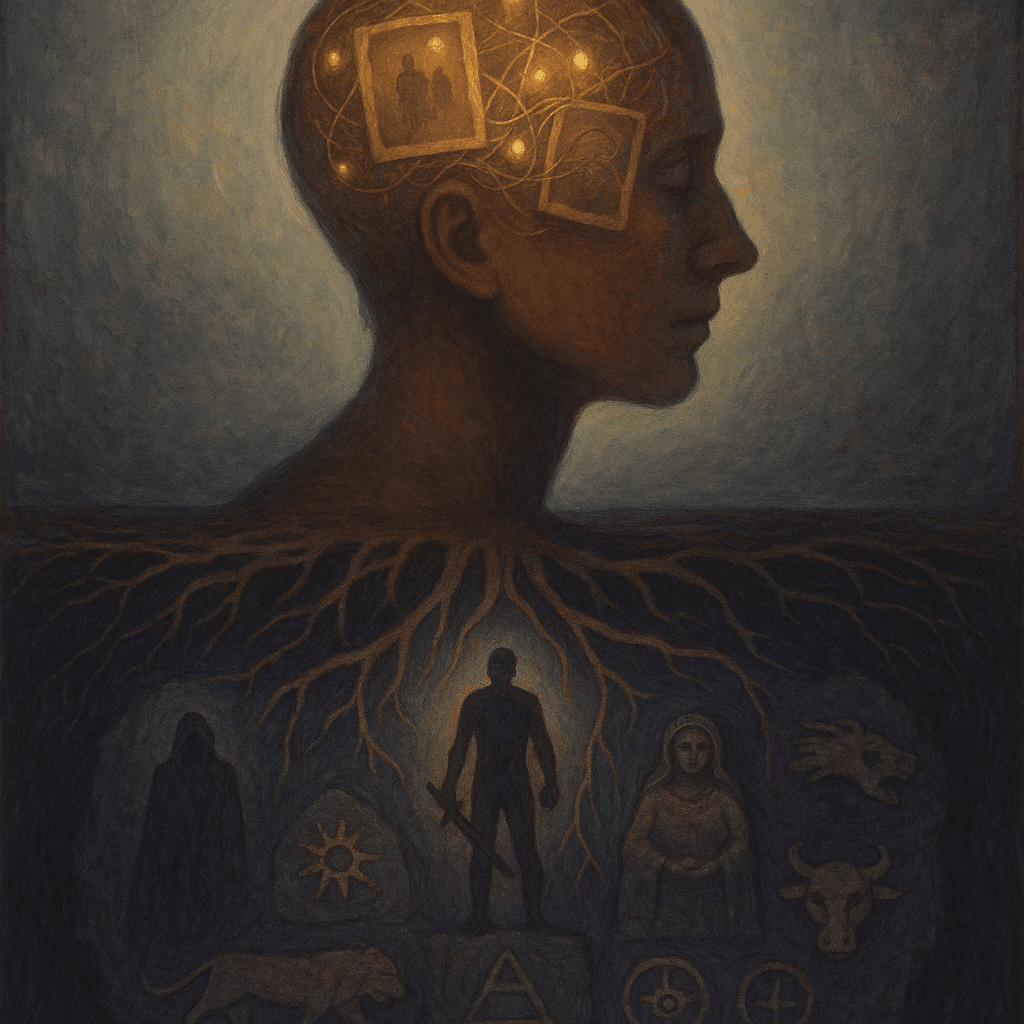
There’s something quietly fascinating about the parts of the mind no one can see.
Everyone talks about mindset, habits, productivity hacks. But beneath all that noise sits a deeper layer - actually, two deeper layers - shaping thoughts, decisions, fears, even dreams. Carl Jung called them the personal unconscious and the collective unconscious. And if you ask me, understanding the difference between the two feels like finally finding the backstage door to your own personality.
Sounds dramatic? Maybe. But stick with this.
What Is the Personal Unconscious?
The personal unconscious is exactly what it sounds like. It’s personal. Unique. Built from individual experience.
Imagine the mind as a house. The conscious mind lives upstairs - bright rooms, open windows, everything visible. The personal unconscious? That’s the basement. It stores forgotten memories, suppressed emotions, embarrassing moments, unresolved conflicts. Not evil. Not mystical. Just tucked away.
It contains:
- Repressed memories
- Forgotten experiences
- Unprocessed emotions
- Learned behaviors
- Complexes formed through life events
Someone who was constantly criticized as a child may grow into an adult who fears speaking up. They might not consciously remember every moment of criticism, but the emotional imprint remains. That’s the personal unconscious at work.
It’s like background software running quietly. You don’t see it - but it influences everything.
How the Personal Unconscious Shapes Behavior
Here’s where things get interesting.
People often believe they make decisions logically. In reality, the personal unconscious nudges choices behind the scenes. Relationship patterns. Career preferences. Reactions to authority. Even the kind of humor someone enjoys.
Have you ever met someone who instantly disliked a person they just met - no clear reason? That reaction likely comes from a stored memory or association buried in their personal unconscious.
It operates like a private archive. Everything gets filed. Not everything gets processed.
What Is the Collective Unconscious?
Now things get bigger.
The collective unconscious isn’t personal. It isn’t learned. It isn’t shaped by childhood alone. Jung described it as a shared psychological inheritance - a reservoir of universal patterns and archetypes common to all humans.
Think of it as the operating system humanity ships with.
While the personal unconscious is the basement of your house, the collective unconscious is the architectural blueprint shared by every house ever built.
Archetypes - The Language of the Collective Unconscious
The collective unconscious expresses itself through archetypes. These are universal symbols and character patterns that appear across cultures and centuries.
Examples include:
- The Hero
- The Mother
- The Shadow
- The Wise Old Man
- The Trickster
Look at mythology. Look at movies. Look at religious texts. The same character patterns repeat over and over.
Why does every culture have flood myths? Why do hero journeys feel familiar even in stories from places someone has never visited? That’s the collective unconscious surfacing.
It’s not memory in the traditional sense. It’s inherited structure. A shared psychic DNA.
Personal vs Collective Unconscious - The Core Differences
Let’s simplify it.
- Source: Personal unconscious comes from individual life experiences. Collective unconscious comes from shared human inheritance.
- Content: Personal contains forgotten memories and emotions. Collective contains archetypes and universal symbols.
- Scope: Personal is unique to the individual. Collective is universal across humanity.
- Formation: Personal develops over time. Collective exists from birth.
It’s the difference between your private diary and an ancient library everyone unknowingly contributes to.
Why This Distinction Actually Matters
Some people hear these ideas and think - interesting, but abstract.
Here’s the thing. Understanding these layers can change how someone interprets behavior, conflict, and even purpose.
For example:
- Recurring relationship problems may stem from personal unconscious complexes.
- Powerful dream symbols may arise from collective archetypes.
- Strong emotional reactions might blend both layers together.
When someone recognizes that not every reaction is purely logical, self-awareness expands. And that awareness? It’s leverage.
The Role of Self-Discovery in Understanding the Unconscious
Here’s a hot take - most people operate on autopilot.
They repeat patterns without tracing their roots. They label themselves quickly. Introvert. Extrovert. Ambitious. Lazy. Emotional. Rational.
But personality is layered. Complex. Structured.
This is where scientific personality assessment becomes powerful. A platform like lifematika.com approaches personality through eight psychological models simultaneously - including OCEAN, Jungian typology, DISC, emotional intelligence, motivational drivers, and core values.
Instead of guessing, users answer 95 carefully structured questions in about 15 minutes. No registration. Free to start. Immediate detailed report.
Why does this matter?
Because understanding measurable personality traits can illuminate parts of the personal unconscious. Strengths. Blind spots. Behavioral tendencies. And when those insights intersect with Jungian concepts, the picture becomes richer.
It’s like switching on lights in multiple rooms at once.
Tracking Growth Over Time
Another overlooked benefit - reassessment.
Life events reshape the personal unconscious. Career changes. Relationships. Loss. Success. Retaking a structured assessment over time can reveal shifts in motivation, emotional regulation, and value hierarchy.
The collective unconscious may remain constant. Archetypes endure. But personal patterns evolve.
Dreams - Where Both Worlds Meet
Dreams are fascinating because they often blend both unconscious layers.
A dream about being chased might connect to a personal anxiety. That’s personal unconscious material.
But if the pursuer appears as a shadowy monster? That taps into the universal Shadow archetype - a collective symbol representing denied aspects of the self.
See the overlap?
Personal content rides on collective imagery.
Like writing a private message using a universal alphabet.
Can Someone Access the Collective Unconscious?
Directly? Not exactly.
But people encounter it through:
- Mythology
- Religion
- Art
- Literature
- Symbolic dreams
Artists often tap into archetypal material without consciously trying. That’s why certain stories resonate globally. They activate ancient psychological patterns.
Honestly, that’s part of why blockbuster films feel so emotionally powerful. They follow archetypal blueprints. Hero’s journey. Transformation. Sacrifice. Redemption.
It’s not accidental.
Shadow Work - A Bridge Between Layers
The concept of the Shadow deserves special attention.
Jung described the Shadow as traits the conscious ego rejects. Some aspects are personal - shaped by upbringing. Others connect to the universal Shadow archetype.
Ignoring it doesn’t make it disappear. It just pushes it deeper.
Working with personality insights - through reflection, journaling, or structured tools like lifematika.com - can help individuals identify patterns linked to their Shadow aspects. Maybe it’s suppressed ambition. Maybe it’s unacknowledged competitiveness. Maybe it’s vulnerability.
Integration reduces internal friction. And that’s where growth happens.
Modern Psychology and Jung - Still Relevant?
Some critics argue Jung’s ideas are too abstract. Too symbolic.
Yet modern personality research continues exploring stable traits, cognitive styles, and motivational drivers. The difference? Measurement.
Tools grounded in research - like Big Five trait analysis or emotional intelligence assessment - bring empirical clarity to concepts Jung explored philosophically.
It’s less about choosing sides and more about layering insight.
Personal unconscious explains emotional residue from lived experience.
Collective unconscious explains why certain symbols and narratives feel timeless.
Together, they create a more complete map of the psyche.
So What Does This Mean for Everyday Life?
It means reactions aren’t random.
It means recurring themes in relationships may trace back to buried experiences.
It means feeling drawn to certain stories, leaders, or ideals might reflect archetypal activation.
And it means self-awareness isn’t just trendy self-help language. It’s practical.
When someone understands their personality structure - traits, motivations, values - they gain leverage over unconscious influences. Not total control. But influence.
That’s powerful.
Final Thoughts on Personal and Collective Unconscious
The mind isn’t a single flat surface. It’s layered like geological strata - some layers formed yesterday, others millions of years old in symbolic terms.
The personal unconscious tells the story of one life.
The collective unconscious tells the story of humanity.
Both shape identity. Both deserve attention.
And perhaps the real growth begins when someone stops asking, “Why am I like this?” and starts asking, “Which layer is speaking right now?”
That question alone can change everything.