The Connection Between Personality and Physical Health
 Yaro Pry··5 min read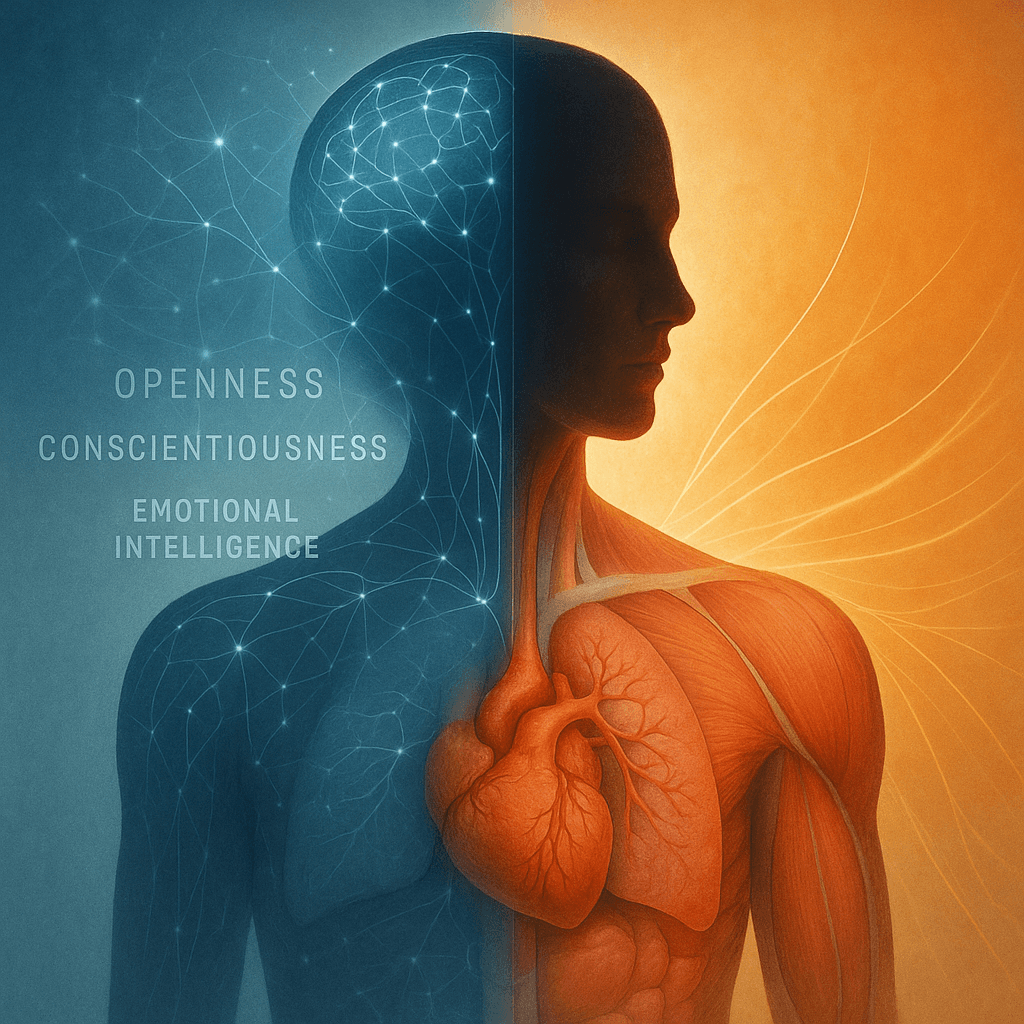
Most people treat physical health and personality like distant cousins. Related, maybe. But not exactly close. One lives in the body - blood pressure, sleep cycles, immune response. The other floats somewhere in the mind - habits, reactions, temperament.
Here’s the twist. Science keeps showing they are deeply intertwined.
Temperament shapes daily choices. Daily choices shape biology. And biology, over time, shapes quality of life. It’s less mysterious than it sounds. In fact, once someone sees the connection clearly, it becomes almost obvious.
So how exactly does personality influence physical health? And more importantly, what can someone actually do with that insight?
How Personality Traits Influence the Body
Think of personality as the operating system running quietly in the background. It doesn’t scream for attention. It just directs patterns - how someone handles stress, whether they exercise, how they eat, when they rest, and even how often they visit a doctor.
Researchers often refer to the Big Five model, also known as OCEAN. These five broad traits consistently correlate with measurable health outcomes.
1. Conscientiousness and Longevity
This trait might be the heavyweight champion of health predictors. People high in conscientiousness tend to:
- Follow medical advice carefully
- Exercise more consistently
- Avoid unnecessary risks
- Maintain structured routines
Studies repeatedly link this quality to longer life expectancy. Not because of luck. Because of behavior. Small, disciplined actions compound over decades.
On the flip side, low conscientiousness often correlates with impulsive decisions - skipped appointments, erratic sleep, poor diet choices. Over time, that adds up.
2. Neuroticism and Stress Response
Now here’s where it gets complicated.
Neuroticism reflects emotional sensitivity and stress reactivity. Individuals who score high in this dimension may experience stronger anxiety, rumination, or mood swings.
Chronic stress floods the body with cortisol. Elevated cortisol over months or years contributes to:
- Weakened immune defense
- Cardiovascular strain
- Digestive disruption
- Sleep disturbances
Does that mean emotional people are doomed? Not at all. Awareness changes everything. When someone understands their stress patterns, they can build coping systems that protect the body instead of draining it.
3. Extraversion, Social Bonds, and Immunity
Humans are social creatures. Some crave connection loudly. Others prefer quiet companionship. Still, social integration matters.
Extraversion often correlates with broader social networks. Strong relationships buffer stress. They reduce inflammatory responses. They even improve recovery rates after illness.
Isolation, by contrast, can quietly chip away at well-being. It’s like running a device constantly in low-power mode - technically functioning, but far from optimal.
4. Agreeableness and Conflict Reduction
Highly agreeable individuals typically experience fewer intense interpersonal conflicts. Less hostility often means fewer stress spikes. That matters for heart health.
Chronic anger isn’t just an emotional issue. It has physiological consequences. Blood vessels constrict. Heart rate increases. Over time, tension leaves a mark.
5. Openness and Adaptive Health Choices
Openness relates to curiosity and flexibility. Those scoring high here may experiment with new wellness practices, explore diverse diets, or engage in creative stress relief methods.
Adaptability can become a protective factor. When circumstances change - and they always do - flexible thinkers adjust faster.
The Hidden Mechanisms Linking Mind and Body
It’s tempting to oversimplify this connection. Trait equals outcome. But the reality works through layered mechanisms.
Behavioral Pathways
Personality influences habits. Habits influence physiology.
- Sleep routines
- Nutrition patterns
- Physical activity frequency
- Substance use decisions
- Preventive healthcare engagement
Each daily action acts like a vote cast for future health.
Emotional Regulation
Emotional intelligence plays a surprisingly strong role in immune resilience. Individuals who identify and process feelings effectively tend to recover from stress faster.
Unprocessed emotion lingers. The nervous system stays activated. Muscles remain tense. Sleep becomes shallow.
Over time, that wear and tear resembles rust accumulating on metal.
Motivation and Values
Why do some people stick with exercise while others abandon it after two weeks? Motivation style matters.
Self-Determination Theory highlights intrinsic versus extrinsic drivers. When health behaviors align with core values, consistency improves dramatically.
Someone who values vitality as part of their identity treats movement differently than someone chasing short-term appearance goals.
Understanding Yourself Through Psychometric Insight
Here’s where things get practical.
Guesswork rarely leads to lasting improvement. Self-knowledge does.
Modern psychometric platforms such as lifematika.com combine eight respected psychological models into one streamlined 95-question assessment. It takes roughly 15 minutes. No registration required. Free to begin.
The system integrates:
- OCEAN personality dimensions
- Jungian typology
- DISC behavioral mapping
- VIA character strengths
- Self-Determination Theory
- Schwartz’s value framework
- Emotional intelligence indicators
- Motivational level analysis
Instead of offering vague labels, it generates a detailed analytical report immediately. Strengths. Growth areas. Behavioral patterns. Practical recommendations.
And here’s the underrated part - users can retake it anytime. After a major life shift. After burnout. After recovery. Growth becomes measurable.
Self-awareness acts like turning on the lights in a cluttered room. The furniture was always there. Now it’s visible.
Practical Ways to Align Personality with Physical Health
Knowing traits is helpful. Applying them changes outcomes.
If Someone Scores High in Neuroticism
- Prioritize structured stress reduction routines
- Practice consistent sleep hygiene
- Limit overstimulation before bedtime
- Engage in guided breathing exercises
The goal isn’t eliminating sensitivity. It’s managing intensity.
If Conscientiousness Is Lower
- Use habit stacking techniques
- Set automated reminders for checkups
- Break fitness goals into micro-commitments
- Track progress visually
Structure can be built. It doesn’t have to be innate.
If Extraversion Is Low
- Focus on deep one-on-one relationships
- Engage in small group activities
- Schedule regular social touchpoints
Quality matters more than volume.
If Motivation Wavers
- Clarify core personal values
- Connect health habits to identity
- Shift from outcome goals to process goals
When actions reflect identity, discipline feels less forced.
Can Personality Change Physical Health Outcomes?
Short answer? Yes. Indirectly, but powerfully.
Traits remain relatively stable across adulthood, yet behaviors are flexible. That distinction matters. Someone may not transform from introverted to highly outgoing overnight. But they can adopt protective routines that suit their temperament.
It’s like choosing the right footwear for a long hike. The terrain stays rugged. The right gear prevents injury.
Have you ever noticed how two people follow the same diet plan and experience different results? Compliance style differs. Stress response differs. Sleep consistency differs. Underneath it all, personality quietly shapes execution.
The Bigger Picture - Mind and Body as One System
Western culture often separates mental and physical domains. Doctors treat organs. Therapists treat emotions. Fitness coaches handle movement.
But the human system doesn’t operate in compartments.
Stress alters gut bacteria. Sleep influences mood regulation. Emotional suppression impacts cardiovascular markers. It’s all connected - constantly communicating beneath awareness.
When individuals understand their psychological blueprint, they gain leverage. They stop fighting themselves. They design routines that match their wiring.
Honestly, that alignment might be one of the most overlooked health strategies available today.
Final Thoughts on Personality and Physical Health
Physical wellness isn’t just about calories, reps, or supplements. It’s about patterns. Repeated patterns guided by temperament, values, and motivation.
Self-discovery tools grounded in scientific research, like lifematika.com, provide structured clarity in a world full of generic advice. Instead of copying someone else’s routine, individuals can build systems that actually fit.
And when habits align with identity, something shifts.
Consistency becomes easier. Stress feels manageable. The body responds.
Personality doesn’t seal fate. It offers a map. And when someone learns how to read that map, physical health stops feeling random and starts feeling intentional.