Psychometrics 101: A Beginner’s Guide to Mind Mapping
 Yaro Pry··4 min read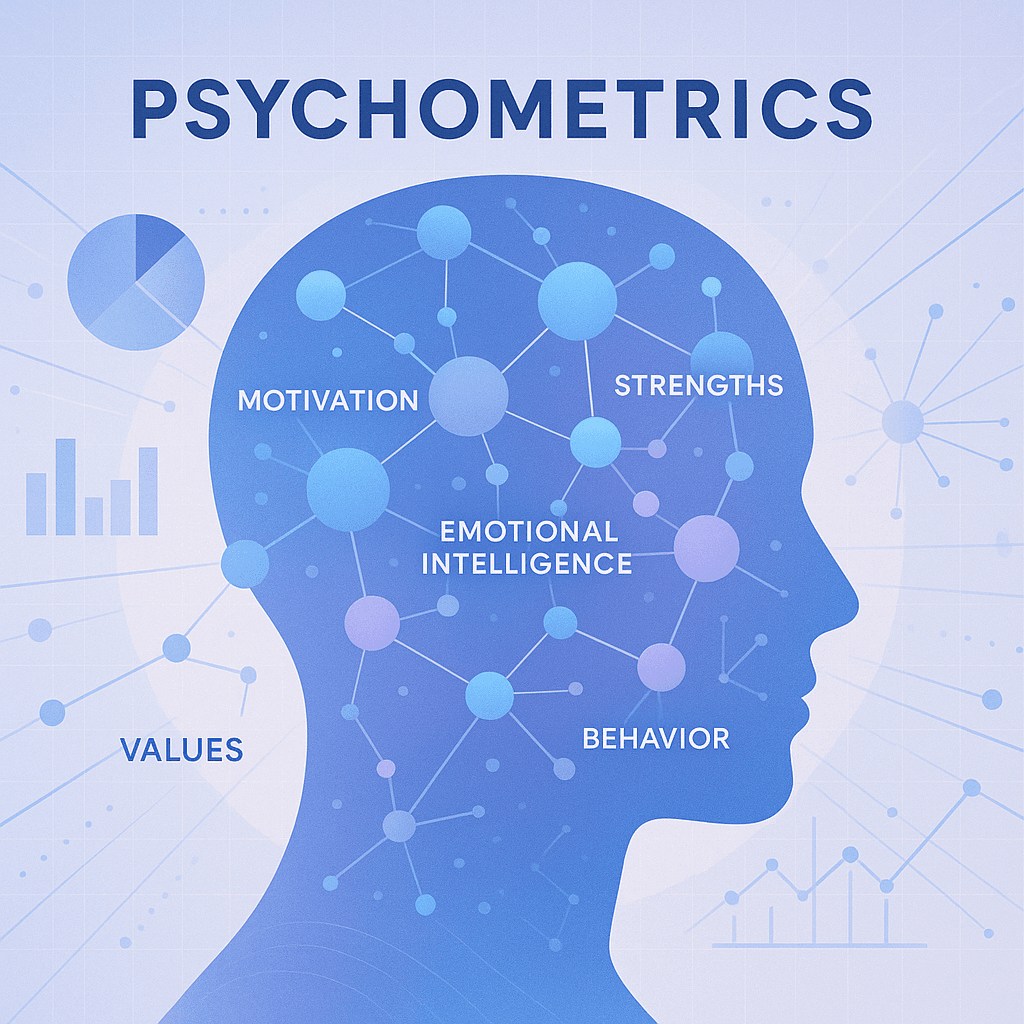
Psychometrics sounds like one of those intimidating, lab-coat-wearing words. The kind that belongs in a university hallway lined with framed degrees and very serious-looking people.
But strip away the jargon, and it becomes something surprisingly human. Practical. Even empowering.
At its core, psychometrics is about measuring the mind - mapping personality, motivation, strengths, and behavioral patterns in a structured, research-backed way. It turns the messy, abstract world inside our heads into something you can actually see, understand, and use.
Sounds ambitious, right?
Yet that’s exactly what modern personality assessment tools aim to do. And if you ask many psychologists, psychometrics isn’t about boxing people in. It’s about giving them a mirror. A clearer one.
What Is Psychometrics, Really?
Psychometrics is the science of measuring psychological traits. Think personality, emotional intelligence, motivation, core values - the invisible forces steering daily decisions.
Instead of guessing why someone reacts a certain way under pressure, psychometrics provides structured insight. Instead of vague labels, it uses validated frameworks grounded in decades of research.
It’s less fortune-telling. More data-driven reflection.
Here’s the simple breakdown:
- It uses carefully designed questions.
- It analyzes patterns in responses.
- It compares results against established psychological models.
- It generates insights you can apply in real life.
In short, psychometrics translates human complexity into understandable patterns. Not to reduce individuality - but to clarify it.
Why Mind Mapping Matters
Imagine trying to navigate a city without a map. You might eventually reach your destination. But you’ll take wrong turns. Waste time. Burn fuel.
Now imagine having a clear GPS system.
That’s what psychometric mind mapping does for personal development.
It highlights:
- Natural strengths
- Blind spots
- Communication style
- Decision-making patterns
- Core motivators
- Emotional tendencies
Instead of drifting through career choices, relationships, or leadership roles, individuals move with awareness. And awareness changes everything.
Honestly, many people spend years chasing goals that don’t align with who they actually are. Psychometrics can act like a course correction.
The 8 Pillars Behind Modern Personality Assessment
Not all personality tests are created equal. Some rely on a single framework. Others blend multiple validated models for a more holistic view.
One platform that does this particularly well is lifematika.com, which integrates eight established psychological theories into one streamlined assessment.
Let’s unpack those foundations.
1. The Big Five - OCEAN Model
This model evaluates five broad traits:
- Openness
- Conscientiousness
- Extraversion
- Agreeableness
- Neuroticism
Think of it as the structural blueprint of personality. Stable. Research-backed. Widely respected.
2. Jungian Typology
This framework explores cognitive preferences and the introversion-extraversion spectrum. It digs into how people process information and make decisions.
Ever wondered why some recharge alone while others feel energized by crowds? Jung’s work explains that.
3. DISC Behavioral Styles
DISC focuses on communication and action styles:
- Dominance
- Influence
- Steadiness
- Conscientiousness
This model shines in workplace settings. It clarifies why certain team dynamics click - and others clash.
4. VIA Character Strengths
Instead of fixating on weaknesses, this approach highlights virtues and strengths. Courage. Curiosity. Leadership. Gratitude.
A refreshing shift in perspective, if you ask most users.
5. Self-Determination Theory
This theory examines intrinsic motivation. What drives action internally? Autonomy? Mastery? Purpose?
Understanding this layer often explains burnout - or unstoppable drive.
6. Schwartz’s Theory of Basic Values
Values quietly steer decisions. Security. Achievement. Benevolence. Power.
When actions conflict with core values, tension builds. This model identifies those foundational drivers.
7. Emotional Intelligence Assessment
Emotional intelligence measures the ability to recognize and manage emotions - both personal and social.
In leadership, relationships, and conflict resolution, this trait often outweighs technical skill.
8. Motivational Levels
This layer uncovers deeper behavioral triggers. Not just what someone does - but why they do it.
Together, these eight models form a panoramic view of personality rather than a flat snapshot.
How a Modern Psychometric Test Works
Let’s demystify the process.
With platforms like lifematika.com, users answer 95 structured questions. It takes roughly 15 minutes. No registration required. Free to start.
Then comes the interesting part.
The system analyzes responses across multiple psychological frameworks simultaneously. Within moments, users receive a detailed analytical report outlining:
- Strengths and growth areas
- Behavioral tendencies
- Communication style
- Emotional patterns
- Practical recommendations
Instant feedback matters. Momentum matters. Waiting weeks for results? That kills curiosity.
Even better, the assessment can be retaken over time. After a career shift. A major life event. Personal development work.
Because here’s something important - personality has stable foundations, but growth reshapes expression.
Common Myths About Psychometrics
Let’s clear the air.
“It puts people in boxes.”
No. Poorly designed tests might. Strong scientific assessments highlight tendencies, not limitations.
“Results never change.”
Core traits stay relatively consistent, yes. But emotional awareness, motivation, and behavioral habits evolve.
“It’s just corporate HR fluff.”
That’s a hot take - and a wrong one. Psychometrics supports career planning, leadership development, relationship insight, and personal growth.
Used wisely, it becomes a decision-making compass.
Why Privacy and Scientific Backing Matter
Not all online personality quizzes are equal. Some are entertainment disguised as psychology.
Real psychometric platforms rely on peer-reviewed research. Validated frameworks. Transparent methodology.
Equally critical? Data protection.
Reputable systems prioritize confidentiality, using responses solely to generate personal reports. No unnecessary data harvesting. No intrusive signups.
Trust forms the foundation of honest self-reflection.
Who Benefits Most from Psychometric Insight?
Short answer? Almost everyone.
But especially:
- Professionals considering career changes
- Leaders aiming to improve team dynamics
- Students choosing educational paths
- Entrepreneurs building aligned businesses
- Individuals pursuing personal growth
Have you ever wondered why certain roles feel energizing while others drain every ounce of motivation? Psychometric analysis often explains that mismatch in seconds.
Clarity saves time. And energy.
The Bigger Picture - Self-Knowledge as Strategy
Self-awareness isn’t just philosophical. It’s strategic.
When people understand how they operate under stress, how they communicate, what they value, and what drives them internally, they make cleaner decisions.
Less second-guessing. Fewer mismatched commitments. More alignment.
Psychometrics acts like a mirror with data behind it. Not a horoscope. Not a vague personality meme. A structured reflection grounded in science.
And in a world overflowing with noise, that kind of clarity feels rare.
Getting Started with Psychometric Mind Mapping
For beginners curious about personality assessment, starting simple works best.
Choose a scientifically grounded platform. Set aside 15 focused minutes. Answer honestly - not aspirationally. Review results carefully.
Then ask:
- What resonates immediately?
- What surprises you?
- Where can these insights improve daily decisions?
That reflection phase matters as much as the assessment itself.
Psychometrics doesn’t define identity. It sharpens understanding.
And once someone truly understands their mental wiring, life choices stop feeling random.
They start feeling intentional.
That’s the real power of mind mapping.