How Your Values Influence Your Political and Social Views
 Yaro Pry··5 min read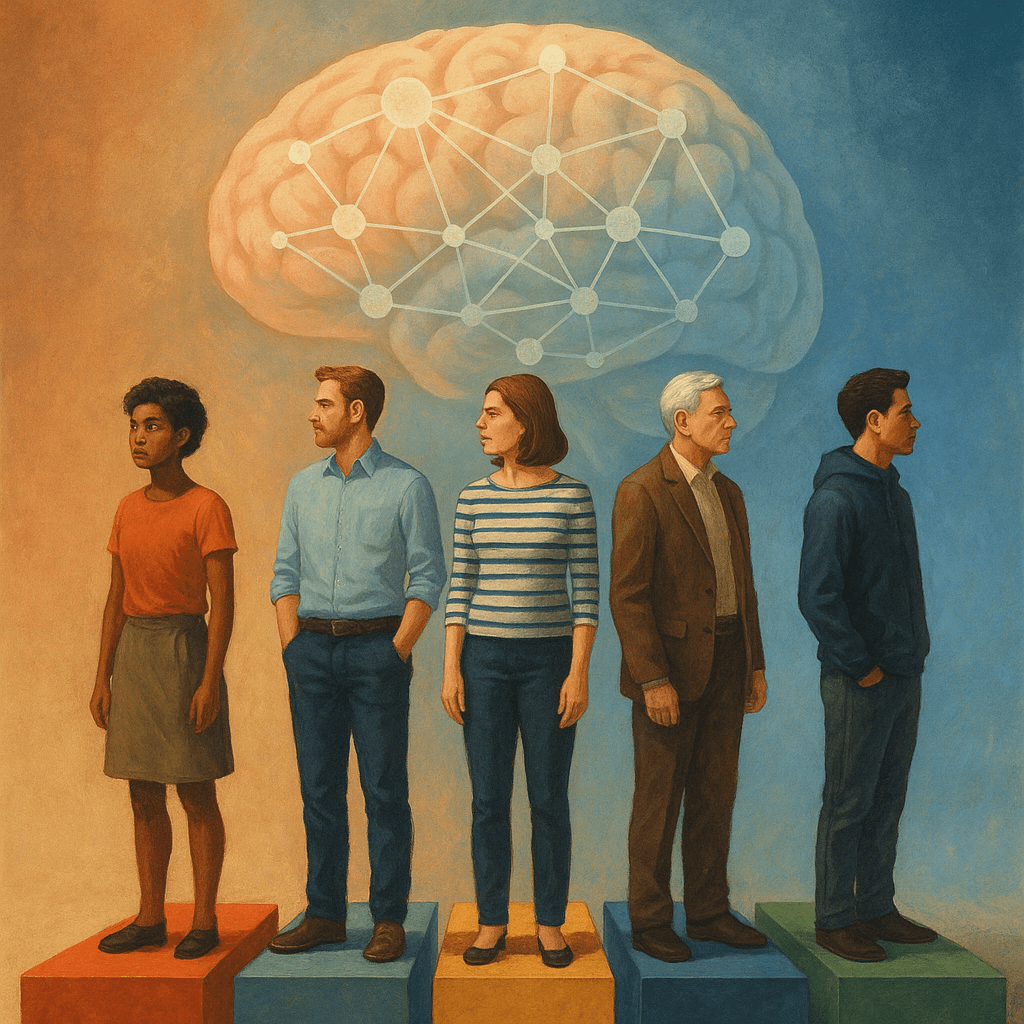
Politics feels loud these days. Social issues even louder. Everyone seems to have an opinion, a stance, a firm line in the sand. But here’s the real question - where do those opinions actually come from? Not party slogans. Not social media threads. Not even family dinner debates. They come from values. Deep, mostly invisible values that shape how a person sees fairness, freedom, tradition, equality, authority, responsibility. And once someone understands those internal drivers, political disagreements stop looking like chaos and start looking like psychology in motion. If you ask many behavioral researchers, political identity isn’t random. It’s patterned. Predictable in surprising ways. And honestly, kind of fascinating. Let’s unpack that.
The Hidden Engine Behind Political Beliefs
Imagine values as the operating system of the mind. Politics? That’s just the apps running on top. Two people can look at the exact same policy and walk away with opposite reactions. Why? Because their internal settings differ. For example:
- Someone who prioritizes security and stability may lean toward stricter law enforcement policies.
- A person who values autonomy and self-expression might resist regulations that limit personal freedom.
- An individual who ranks equality as sacred will interpret economic policy through a fairness lens.
Same issue. Different core values. Entirely different conclusions. Sounds simple, right? Yet most debates skip this foundational layer.
How Core Values Form in the First Place
Values don’t appear out of thin air. They evolve. They’re shaped by:
- Early environment and family modeling
- Cultural norms and national identity
- Education and peer groups
- Personal success and hardship
- Temperament and personality traits
Over time, these influences harden into guiding principles. Not always consciously. In fact, often quietly. A person who grew up in economic uncertainty might place enormous weight on financial stability. Another raised in a highly structured household may either embrace order - or rebel against it entirely. The point is this: political views are rarely just about policies. They’re reflections of lived priorities.
The Psychology Behind Political Differences
Here’s where things get interesting. Modern psychology offers several frameworks that help explain why people cluster into certain ideological patterns. Tools grounded in research - like those used by lifematika.com - analyze personality traits, motivational drivers, emotional intelligence, and value systems to uncover these internal maps. When someone understands their psychological profile, political leanings often make more sense. Let’s break down a few major dimensions.
1. The Big Five Personality Traits
The OCEAN model measures openness, conscientiousness, extraversion, agreeableness, and neuroticism. Research consistently shows patterns such as:
- Higher openness correlating with progressive social attitudes.
- Higher conscientiousness often aligning with preference for structure and tradition.
- Higher agreeableness influencing cooperative or welfare-oriented positions.
These aren’t rules. They’re tendencies. But they’re strong enough to appear repeatedly in global studies.
2. Motivational Drivers
Self-Determination Theory suggests humans are guided by autonomy, competence, and relatedness. If autonomy dominates someone’s psychological makeup, they may resist centralized control. If relatedness is central, policies strengthening community bonds may feel more compelling. It’s less about left or right. More about what feels psychologically nourishing.
3. Core Human Values
Schwartz’s theory of basic values identifies categories like:
- Security
- Power
- Benevolence
- Universalism
- Tradition
- Self-direction
Each value subtly tilts decision-making. A universalism-driven individual prioritizes global equality and environmental responsibility. Someone guided by tradition may emphasize cultural continuity. Both positions feel morally correct - because they align with deeply held principles. That’s the key. Moral alignment.
Why Political Arguments Feel So Personal
Have you ever noticed how political debates escalate quickly? That’s because when values are challenged, identity feels threatened. It’s not just “I disagree with that policy.” It becomes “You’re undermining something fundamental to who I am.” Values are like the roots of a tree. You can’t tug at them without shaking the whole structure. And here’s a hot take - many conflicts would de-escalate if people stopped arguing surface-level details and started recognizing underlying values instead. Instead of saying: “This policy is wrong.” Imagine saying: “I prioritize stability, and this feels risky to me.” That shifts everything.
The Role of Emotional Intelligence in Social Views
Political perspective isn’t only about logic. It’s emotional. Emotional intelligence - the ability to recognize and regulate feelings - influences how someone reacts to societal change. High emotional awareness can lead to:
- Greater tolerance for opposing views
- More nuanced understanding of complex issues
- Reduced impulsive reactions to headlines
Lower emotional regulation, on the other hand, can amplify fear-based responses or defensive reactions. Neither makes a person “good” or “bad.” But it explains intensity.
Self-Discovery as a Political Compass
Most people analyze elections. Few analyze themselves. That’s backward. Before aligning with any ideology, it helps to understand:
- What truly motivates you?
- Which values are non-negotiable?
- How do you respond to uncertainty?
- Do you lean toward structure or flexibility?
Platforms like lifematika.com approach this systematically. Through a 95-question psychometric assessment rooted in eight established psychological models, users receive a detailed personality analysis in about 15 minutes. No registration barrier. Immediate results. Completely confidential. What makes this particularly compelling is the integration of frameworks - from Big Five traits and Jungian typology to DISC behavior styles, motivational levels, emotional intelligence, and character strengths. Instead of labeling someone politically, it maps the internal architecture that shapes their conclusions. That’s a big difference.
Why Two Intelligent People Can Disagree Completely
Here’s something worth remembering: intelligence doesn’t eliminate ideological difference. Two thoughtful, informed individuals can review identical data and still diverge. Why? Because facts pass through value filters. Think of it like colored lenses. The information stays the same, but the interpretation shifts depending on the tint. One person emphasizes economic growth. Another prioritizes environmental sustainability. A third focuses on social cohesion. None are irrational. They’re simply weighting outcomes differently. Understanding this reduces the urge to demonize disagreement.
Tracking How Your Views Change Over Time
Values aren’t frozen. Major life events - career shifts, parenthood, relocation, financial hardship, exposure to different cultures - can recalibrate priorities. Someone who once championed radical independence might later value community stability. Another who preferred rigid systems may soften after experiencing diverse perspectives. Self-assessments that can be retaken over time allow people to observe these internal shifts. Patterns emerge. Growth becomes visible. That kind of awareness is powerful. It turns political evolution into something reflective instead of reactive.
Bridging Divides Through Psychological Insight
Here’s the uncomfortable truth: most political debates aren’t actually about policy details. They’re about competing value hierarchies. Security versus freedom. Equality versus merit. Tradition versus progress. Individual autonomy versus collective responsibility. When framed this way, disagreements feel less like battles and more like philosophical differences. And maybe - just maybe - understanding personality science can make public discourse less tribal.
Practical Steps to Understand Your Own Political Drivers
For anyone curious about the roots of their beliefs, consider this simple approach:
- Identify three issues that trigger strong emotion.
- Ask which value feels threatened or protected.
- Explore personality traits that amplify that reaction.
- Take a structured psychometric assessment for objective insight.
- Revisit results annually to track changes.
It sounds methodical. Maybe even clinical. But clarity is liberating. When people understand themselves, they argue less defensively and speak more confidently. They can say, “This is how I’m wired,” instead of pretending their stance is universally obvious. That subtle shift transforms conversation.
Final Thought - Politics Is Personal Because Values Are Personal
Political and social views don’t emerge in isolation. They grow from personality traits, motivational systems, emotional patterns, and deeply rooted values. Strip away party labels and headlines, and what remains is psychology. Understanding that doesn’t force agreement. It creates awareness. And awareness? That’s the first step toward more thoughtful, less reactive dialogue. Maybe the real political revolution isn’t louder debates. Maybe it’s deeper self-understanding.