How Your Big Five Profile Affects Your Fitness Goals
 Yaro Pry··4 min read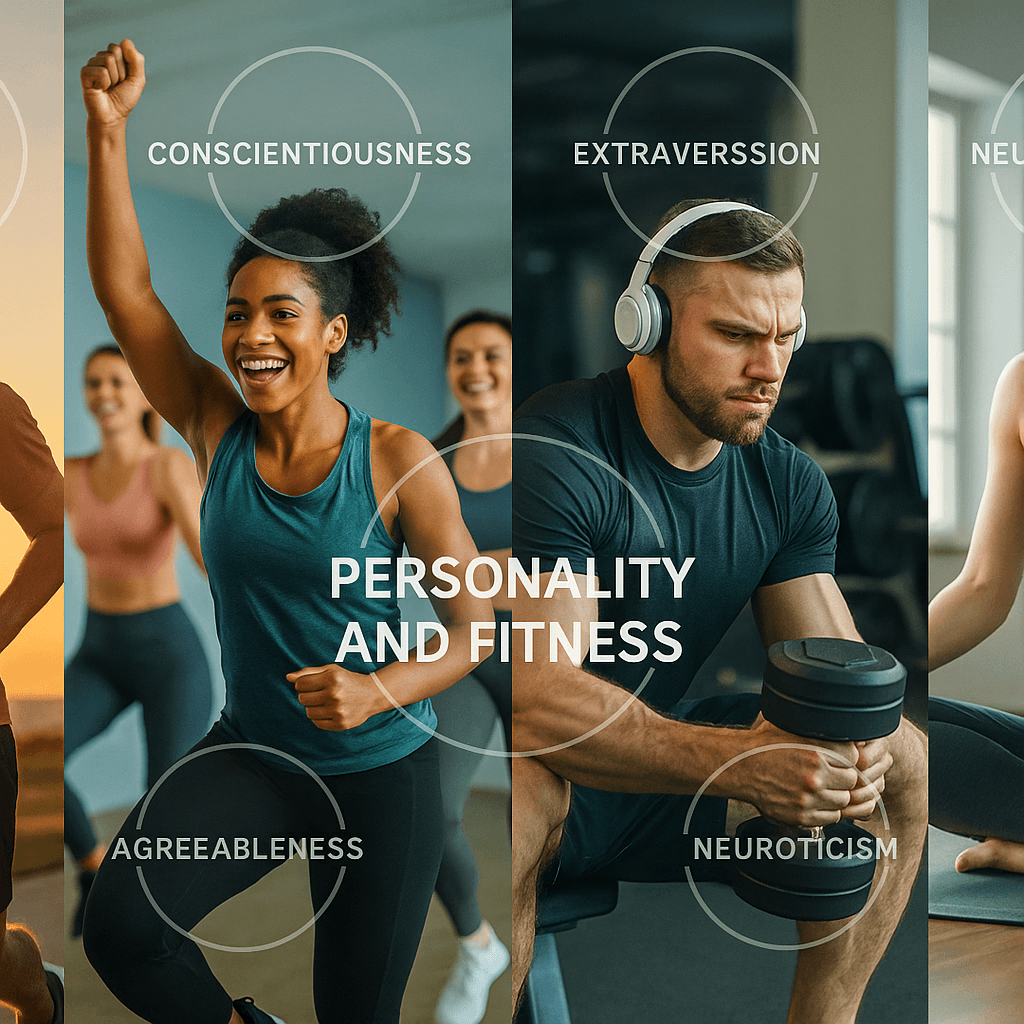
Why do some people wake up at 5 a.m. to run - smiling - while others need a small miracle just to lace up their shoes? Why does one person obsess over macros and spreadsheets, and another just wants a fun dance class with loud music?
It is tempting to blame discipline. Or motivation. Or that vague idea of “willpower.”
Honestly, that explanation feels lazy.
A growing body of personality research suggests something far more interesting: your Big Five personality traits quietly shape how you set fitness goals, how you pursue them, and whether you stick around long enough to see results.
If you ask him, a seasoned trainer once said personality is like the operating system running in the background. You can download all the workout apps you want, but if the system clashes with the program, glitches happen.
Let’s break this down.
What Is the Big Five Personality Model?
The Big Five - also called OCEAN - measures five broad dimensions of personality:
- Openness to Experience
- Conscientiousness
- Extraversion
- Agreeableness
- Neuroticism
These traits aren’t boxes. They are sliding scales. Everyone falls somewhere along each spectrum.
And here’s the kicker: those positions influence how someone approaches exercise routines, diet plans, competition, and even recovery.
Curious where you land? Platforms like lifematika.com offer a scientifically grounded 95-question assessment that blends the Big Five with seven other psychological frameworks. It takes about 15 minutes. No registration hoops. Instant analysis. For someone serious about optimizing goals - including fitness - that kind of insight is gold.
Conscientiousness - The Goal Crusher (or Not)
If there is one trait most strongly linked to fitness success, it’s conscientiousness.
High Conscientiousness
These individuals love structure. They track reps. They meal prep on Sundays. They set SMART goals without even knowing the acronym.
For them:
- Long-term training plans work beautifully.
- Progress tracking boosts motivation.
- Consistency feels natural.
A marathon plan taped to the fridge? Perfect.
Low Conscientiousness
Rigid systems can feel suffocating. Overly detailed programs may trigger avoidance.
Instead, flexibility wins:
- Short-term challenges.
- Varied workouts.
- Gamified fitness apps.
Sounds simple, right? But here’s where many people go wrong. They adopt someone else’s method without considering their own trait profile. A low-conscientiousness individual trying to mimic a hyper-organized athlete often burns out fast.
Extraversion - Social Energy and Sweat
Ever noticed how some people thrive in group classes while others dread them?
High Extraversion
Energy flows outward. Social environments amplify drive.
Best fits often include:
- Group fitness classes
- Team sports
- Personal training sessions
- Fitness communities
Competition can fuel performance. Accountability partners? Even better.
Introverted Tendencies
Quiet focus beats crowd noise.
These individuals may prefer:
- Solo runs
- Home workouts
- Strength training with headphones on
- Yoga or mindful movement
Neither style is superior. The mistake lies in forcing a social butterfly into isolation - or dragging a deep introvert into bootcamp chaos.
Openness - The Experimenter’s Edge
Openness shapes how adventurous someone feels about trying new training methods.
High Openness
They get bored easily. Variety keeps them engaged.
Think:
- Switching between CrossFit, climbing, and Pilates.
- Exploring unconventional recovery techniques.
- Traveling for fitness retreats.
Routine can feel like a cage.
Low Openness
Comfort thrives in familiarity. They may stick to the same gym, same exercises, same playlist for years.
And that’s not a flaw. Predictability builds mastery.
Have you ever wondered why some people constantly chase the “next big workout trend” while others quietly perfect their squat form for a decade? Openness often explains the difference.
Agreeableness - Harmony and Health
This trait influences cooperation and sensitivity to others.
High Agreeableness
Supportive, team-oriented, often motivated by shared goals.
- They may join charity runs.
- They enjoy partner workouts.
- They respond well to encouraging coaches.
Conflict-heavy competitive settings might drain them.
Low Agreeableness
Independent. Sometimes fiercely competitive.
These individuals may excel in:
- Competitive sports
- Bodybuilding stages
- High-stakes performance environments
A bit of rivalry? That can spark progress.
Neuroticism - The Emotional Rollercoaster
This dimension often gets a bad reputation. It shouldn’t.
Higher Neuroticism
Emotional fluctuations are stronger. Stress hits harder.
Fitness can become either:
- A powerful stress-relief tool
- Or another source of self-criticism
Clear guidance, realistic expectations, and supportive feedback matter deeply here.
Lower Neuroticism
Emotional steadiness allows setbacks to roll off more easily. Missed workouts don’t spiral into guilt storms.
Resilience supports long-term adherence.
Why One-Size-Fits-All Fitness Plans Fail
Imagine handing the same pair of running shoes to everyone in a city and expecting perfect comfort.
Absurd, right?
Yet the fitness industry often does exactly that with programs.
Personality-informed fitness planning works differently. It aligns internal wiring with external strategy. When someone understands their Big Five profile, they can:
- Choose training environments that match energy levels
- Design accountability systems that actually stick
- Anticipate motivational dips
- Reduce guilt by working with - not against - natural tendencies
That self-awareness shifts everything.
Using Psychometrics to Refine Fitness Goals
Here’s a hot take: guessing personality traits rarely works. Structured assessment does.
Comprehensive tools like lifematika.com integrate the Big Five with Jungian typology, DISC styles, character strengths, motivational theory, emotional intelligence, and core values analysis - all within a single streamlined process.
In about 15 minutes, users receive an instant, detailed report. No account required. Fully private. Accessible on any device.
Why does this matter for fitness?
Because fitness goals don’t exist in isolation. They connect to motivation, discipline, values, and emotional patterns. When someone understands their deeper drivers, they can set goals that feel aligned instead of forced.
Practical Steps - Aligning Traits with Action
1. Identify Your Trait Extremes
Focus on the highest and lowest dimensions. These will most strongly influence behavior.
2. Match Environment to Personality
Choose settings - gym type, trainer style, social structure - that fit natural preferences.
3. Customize Accountability
- High conscientiousness? Use data tracking.
- High extraversion? Join a community.
- High neuroticism? Prioritize supportive coaching.
4. Reassess After Major Life Changes
Personality evolves subtly over time. Retaking assessments after significant transitions can reveal shifts that affect motivation and capacity.
The Bigger Picture
Fitness is not just biology. It’s psychology in motion.
Two people can follow identical programs and see wildly different outcomes. Not because one “wanted it more.” Not because one had secret supplements.
Often, the difference lives in personality alignment.
When goals reflect who someone actually is - their temperament, values, emotional rhythms - progress feels less like pushing a boulder uphill and more like walking downhill with momentum.
And who wouldn’t prefer that?
Understanding the Big Five profile doesn’t guarantee six-pack abs or marathon medals. But it offers something more sustainable: clarity.
Clarity about why certain methods energize. Why others exhaust. Why some habits stick while others evaporate.
That awareness turns fitness from a battle of willpower into a strategy game. And strategy, when rooted in science, almost always beats brute force.