How to Build a High-Performing Team Using DISC Profiles
 Yaro Pry··4 min read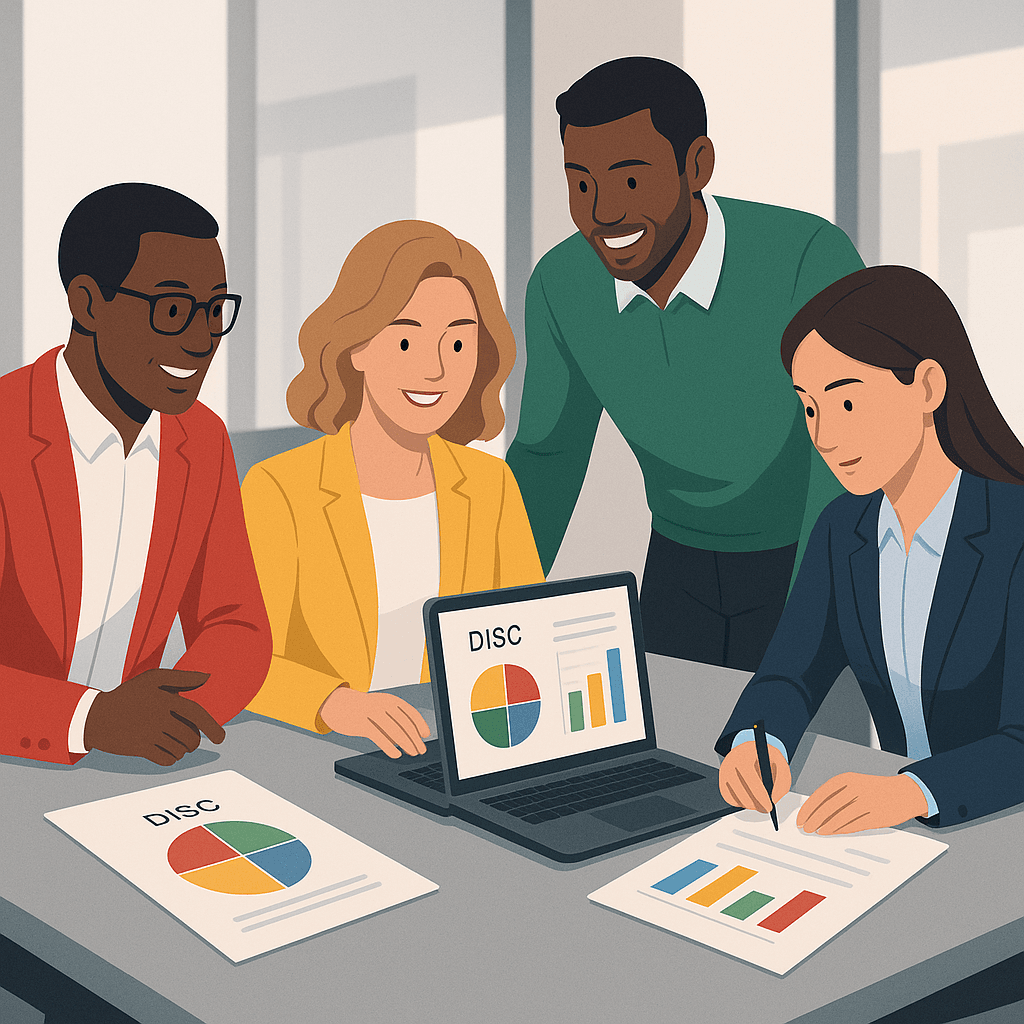
Building a high-performing team isn’t magic. It’s not luck either. It’s alignment.
When people talk about "team chemistry," they often describe it like some mysterious spark. Honestly, it’s far less romantic than that. Great collaboration happens when personalities complement each other instead of colliding. And that’s exactly where DISC profiles step in.
If you’ve ever wondered why one employee thrives under pressure while another shuts down… or why meetings feel electric one week and painfully awkward the next… you’re already brushing up against behavioral dynamics. Sounds familiar?
Let’s unpack how to use DISC the smart way - and how platforms like lifematika.com can make that process sharper, faster, and far more insightful.
What Is DISC and Why Does It Matter?
DISC is a behavioral framework that groups personalities into four primary styles:
- Dominance (D) - Results-driven, decisive, competitive.
- Influence (I) - Social, persuasive, enthusiastic.
- Steadiness (S) - Supportive, patient, reliable.
- Conscientiousness (C) - Analytical, detail-focused, systematic.
Simple categories. Powerful implications.
Think of these styles like instruments in a band. A team full of drummers might be loud and energetic, but without melody or rhythm control, it’s chaos. A group made entirely of violinists? Technically skilled, yet lacking punch. Performance comes from balance.
DISC profiles give leaders a language to understand that balance.
Why High-Performing Teams Aren’t Built by Accident
Here’s a hot take - hiring top talent doesn’t guarantee top results. Skill without behavioral alignment is like putting premium fuel in the wrong engine.
High-functioning groups share three traits:
- Clarity in communication.
- Defined decision-making roles.
- Mutual respect for differences.
DISC strengthens all three.
Instead of labeling someone as "difficult," leaders begin asking better questions. Is this person dominant and pushing for faster outcomes? Is someone else high in steadiness and resisting change for stability reasons?
That shift alone can transform workplace culture.
How to Build a High-Performing Team Using DISC Profiles
1. Assess Every Team Member Objectively
Guesswork kills efficiency. Personality assumptions are even worse.
Start with a structured assessment. Tools grounded in research - like the 95-question evaluation available on lifematika.com - provide instant, in-depth reports. It’s free to start, requires no registration, and takes about 15 minutes. Quick. Insightful. Practical.
What makes it particularly strong is its scientific backbone. It doesn’t rely solely on one framework. It integrates eight psychological methodologies, including:
- Big Five personality traits
- Jungian typology
- DISC behavioral mapping
- Emotional intelligence analysis
- Character strengths evaluation
- Motivational drivers
- Core personal values
- Self-determination factors
That layered insight creates a multidimensional view rather than a flat label.
2. Map Strengths to Roles - Not Titles
One common mistake? Assigning responsibilities based purely on job description.
A high-D personality excels in fast-paced negotiations. A high-C individual shines when analyzing data or designing systems. Put them in opposite roles and watch frustration bloom.
Instead:
- Let Dominance drive strategic initiatives.
- Allow Influence to lead presentations and client relations.
- Empower Steadiness in support functions and conflict mediation.
- Trust Conscientiousness with compliance, research, and quality control.
This isn’t stereotyping. It’s optimization.
3. Balance Energy in Decision-Making
Ever been in a meeting where one person dominates while others retreat? That’s usually a behavioral imbalance.
High-performing groups structure conversations intentionally. Leaders can:
- Invite analytical members to present data first.
- Encourage steady personalities to voice long-term concerns.
- Channel dominant members toward solution framing rather than interruption.
- Use influential individuals to rally commitment.
When everyone contributes from their natural strength, discussions shift from friction to momentum.
4. Reduce Conflict Through Awareness
Conflict rarely stems from bad intent. It usually arises from contrasting behavioral patterns.
For example:
- A dominant leader may view caution as hesitation.
- A conscientious analyst may see rapid decisions as reckless.
Neither perspective is wrong. They’re different lenses.
DISC helps teams reinterpret friction. Instead of "Why are you slowing us down?" the conversation becomes "What risks should we evaluate before moving forward?"
That subtle shift changes everything.
5. Build Complementary Hiring Strategies
Growth often magnifies imbalance.
If a startup founder is highly dominant and hires clones of the same style, innovation may accelerate - but burnout and oversight risk follow closely behind. Strategic recruitment means filling gaps, not mirroring personalities.
Before hiring, ask:
- What behavioral energy are we missing?
- Where do bottlenecks appear?
- Which personality type would stabilize or enhance performance?
Smart hiring isn’t about comfort. It’s about complementarity.
The Science Advantage - Why Lifematika Goes Deeper
Plenty of quick quizzes promise insight. Few offer rigor.
Lifematika stands out because it merges eight validated psychological models into one streamlined experience. Users receive a detailed report immediately, with practical recommendations they can apply in leadership, communication, and career development.
Privacy is protected. Data remains confidential. The platform works smoothly across devices. And the assessment can be retaken after promotions, career changes, or major life events.
More than 1,000 users have already explored their behavioral blueprint there. That traction speaks volumes.
For team building, that level of insight becomes a strategic asset rather than a feel-good exercise.
Common Mistakes When Using DISC
Even powerful tools can be misused. Here’s what to avoid:
- Over-labeling - People are dynamic, not boxes.
- Ignoring context - Stress and environment influence behavior.
- Weaponizing results - Profiles should foster empathy, not criticism.
- Skipping follow-up - Insights require application.
DISC is a compass. It guides direction. It doesn’t dictate destiny.
Turning Insight Into Measurable Performance
Knowledge without action fades fast.
To translate behavioral awareness into tangible results:
- Host team workshops to discuss styles openly.
- Create communication guidelines tailored to each type.
- Adjust leadership approaches based on team composition.
- Track performance shifts over time.
Have you ever noticed how some leaders naturally energize a room while others quietly stabilize it? Both forms matter. Great management isn’t about being one thing. It’s about knowing when to lean into which strength.
DISC profiles provide that clarity.
The Bigger Picture - Culture, Trust, and Growth
At its core, building a high-performing team isn’t just about productivity metrics. It’s about trust.
When individuals understand their own behavioral tendencies - and those of colleagues - assumptions soften. Conversations improve. Accountability strengthens.
Think of it like tuning a complex machine. Each gear has a role. Misalignment creates friction. Proper calibration produces flow.
And flow? That’s where performance lives.
Using DISC thoughtfully, supported by comprehensive tools like lifematika.com, transforms personality insights into strategic leverage. Not fluff. Not corporate jargon. Real advantage.
Teams don’t fail because people lack talent. They falter when strengths clash without awareness.
Alignment changes that.
So the real question becomes - is your team operating by chance, or by design?