How to Blend DISC Styles for Maximum Productivity
 Yaro Pry··4 min read
Productivity advice usually sounds simple. Make a to-do list. Prioritize. Focus. Repeat.
But here’s the uncomfortable truth - productivity is rarely about tools. It’s about people.
And people? They’re messy, emotional, driven by invisible patterns that quietly shape how they think, decide, and collaborate. That’s where DISC styles step in. Not as corporate buzzwords. As a surprisingly practical roadmap.
If you ask me, understanding how to blend DISC styles for maximum productivity is like learning to conduct an orchestra. Each instrument matters. But magic only happens when they play together.
What Are DISC Styles - Really?
The DISC model breaks personality into four core behavioral styles:
- D - Dominance: Direct, decisive, results-focused.
- I - Influence: Outgoing, persuasive, enthusiastic.
- S - Steadiness: Patient, supportive, reliable.
- C - Conscientiousness: Analytical, detail-oriented, precise.
Sounds straightforward, right?
Yet most teams don’t struggle because they lack talent. They struggle because these styles collide instead of collaborate.
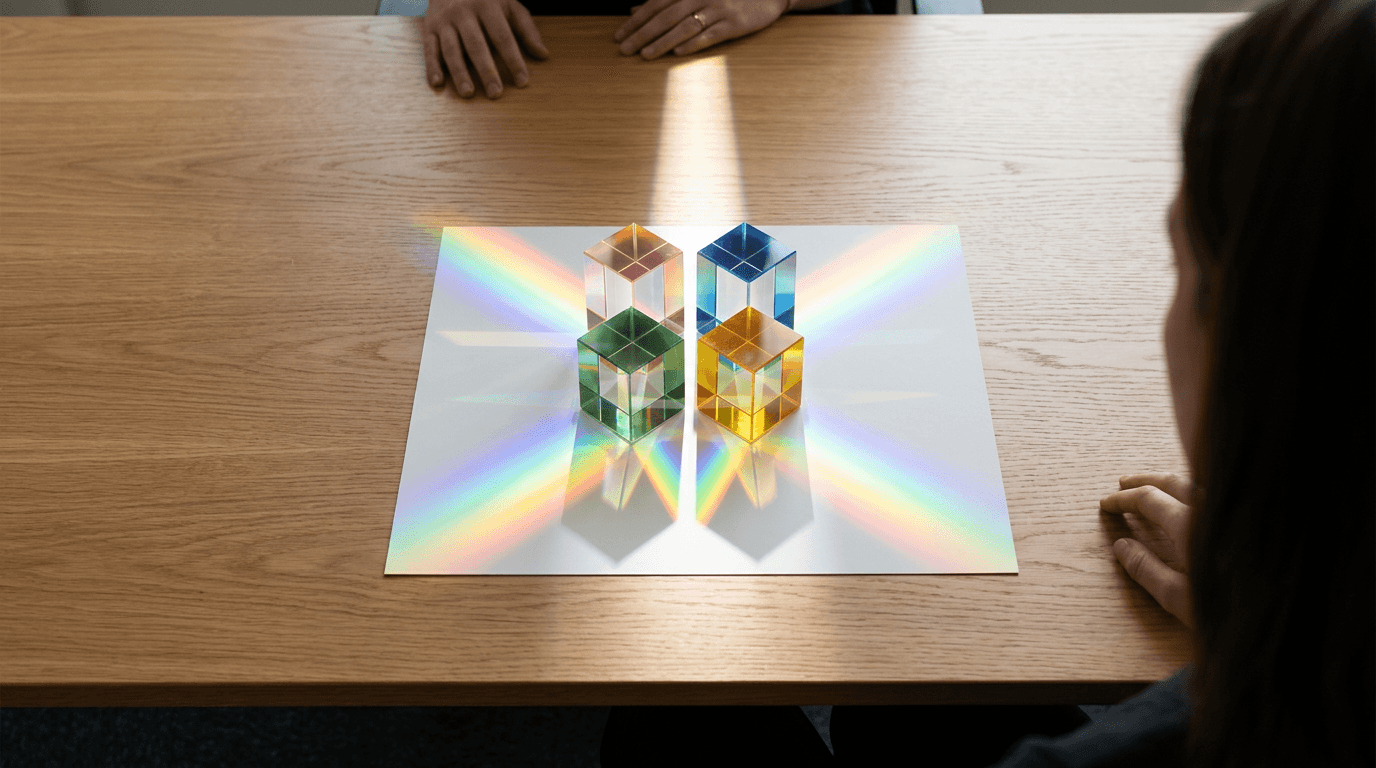
The Dominant leader pushes for speed. The Conscientious teammate wants more data. The Influencer wants excitement and buy-in. The Steady member just wants harmony and stability.
Individually, each style is powerful. Together, without awareness, they can feel like four different radio stations playing at once.
Why Blending DISC Styles Boosts Productivity
Productivity is not about working faster. It’s about reducing friction.
When DISC styles blend effectively, several things happen:
- Communication becomes clearer.
- Decision-making speeds up.
- Conflict turns constructive instead of personal.
- Strengths fill gaps instead of duplicating effort.
Think of it like cooking. Salt alone is harsh. Sugar alone is overwhelming. Combined properly? Delicious balance.
The Hidden Productivity Traps of Each DISC Style
Before blending styles, it helps to understand what slows each one down.
D - Dominance: Speed Without Reflection
D-types chase results. They move fast. They hate hesitation.
The downside? They can steamroll details and people in the process. That urgency, while powerful, may create rework later.
I - Influence: Energy Without Structure
I-types bring excitement. They sell ideas. They rally teams.
But sometimes… they overpromise. Or drift. Productivity drops when inspiration lacks follow-through.
S - Steadiness: Stability Without Urgency
S-types are the glue. Loyal. Consistent. Reliable.
Yet they may avoid conflict or resist change, slowing innovation when speed is essential.
C - Conscientiousness: Accuracy Without Momentum
C-types love precision. They spot errors others miss.
However, perfectionism can stall projects. Analysis paralysis is real.
So here’s the big question: How do you blend these tendencies instead of letting them compete?
5 Practical Ways to Blend DISC Styles for Maximum Productivity
1. Assign Roles Based on Strength - Not Titles
Productivity soars when tasks match natural tendencies.
- Let D-types drive high-stakes decisions.
- Allow I-types to lead presentations or brainstorming sessions.
- Trust S-types with team coordination and support roles.
- Give C-types ownership of quality control and data review.
Forcing a Dominant personality into repetitive detail work? That’s like asking a race car to idle in traffic.
Sounds inefficient because it is.
2. Create Communication Rules That Respect All Styles
D wants brevity.
I wants discussion.
S wants clarity.
C wants evidence.
Blending means structuring meetings intentionally.
Start with concise objectives for the D-style. Allow open idea sharing for the I-style. Provide reassurance and alignment for the S-style. Share data or documentation for the C-style.
One meeting. Four needs met.
Productivity improves because misunderstandings shrink.
3. Pair Opposites on Purpose
This one feels counterintuitive.
Many leaders group similar personalities together. But pairing opposites often generates balance.
- D + C ensures speed with accuracy.
- I + S blends enthusiasm with follow-through.
Yes, friction may spark at first. That’s not a flaw. That’s refinement happening in real time.
4. Normalize Healthy Conflict
D-types challenge openly. S-types avoid tension. I-types soften issues. C-types critique details.
Without awareness, this mix creates confusion.
With awareness? It creates well-rounded decisions.
Teams that acknowledge style differences stop personalizing disagreements. Instead of “She’s difficult,” it becomes “She’s operating from a Dominant lens.”
That shift alone can transform productivity.
5. Use Data to Increase Self-Awareness
Here’s a hot take - most people think they understand their personality. They don’t.
Self-perception is biased. Emotional. Selective.
Scientific psychometric platforms like lifematika.com provide deeper insight by combining DISC with seven additional psychological frameworks. Instead of labeling someone as just "D" or "I," the platform analyzes behavioral drivers, emotional intelligence, motivation levels, values, and more.
The assessment includes 95 carefully designed questions, takes around 15 minutes, and delivers instant detailed feedback. No registration. Fully confidential. Free to start.
For teams serious about blending DISC styles for maximum productivity, that kind of multi-layered understanding is a game changer.
DISC Alone Is Helpful - But Depth Changes Everything
DISC shows how people behave.
But behavior is only the surface.
What about core values? Intrinsic motivation? Emotional regulation? Character strengths?
Lifematika integrates:
- OCEAN Big Five traits
- Jungian typology
- DISC behavioral mapping
- VIA character strengths
- Self-Determination Theory
- Schwartz's values framework
- Emotional intelligence metrics
- Motivational drivers
It’s like upgrading from a flashlight to stadium lighting. Suddenly, blind spots disappear.
Teams that understand both behavior and underlying motivation blend styles faster and with fewer misunderstandings.
Blending DISC Styles in Remote Teams
Remote work adds complexity.
Without body language, D-types may seem aggressive in short messages. I-types may feel ignored without real-time interaction. S-types may hesitate to speak up on video calls. C-types may overcompensate with long written explanations.
Simple adjustments help:
- Use clear agendas.
- Rotate speaking opportunities.
- Set decision deadlines.
- Provide written summaries afterward.
Productivity doesn’t require personality change. It requires environmental design.
What Maximum Productivity Actually Looks Like
It doesn’t look like constant hustle.
It looks like alignment.
When Dominance pushes progress. When Influence energizes the group. When Steadiness stabilizes the workflow. When Conscientiousness protects quality.
That’s synergy.
Have you ever been on a team where everything just clicked? Deadlines met. Fewer arguments. Decisions felt solid.
Chances are, DISC styles were blending - intentionally or by luck.
The difference between average output and exceptional performance often comes down to this awareness.
Final Thought - Productivity Is Human
Apps help. Systems matter. Strategy counts.
But productivity lives in people.
Understanding DISC styles is like learning the grammar of human behavior. Blending them thoughtfully is writing poetry with it.
And when teams combine behavioral insight with deeper psychological analysis - using tools grounded in research like lifematika.com - they stop guessing.
They start optimizing.
Not by changing who they are.
By understanding it.
That’s where real productivity begins.