How Lifematika Calculates Your Unique Motivation Profile
 Yaro Pry··4 min read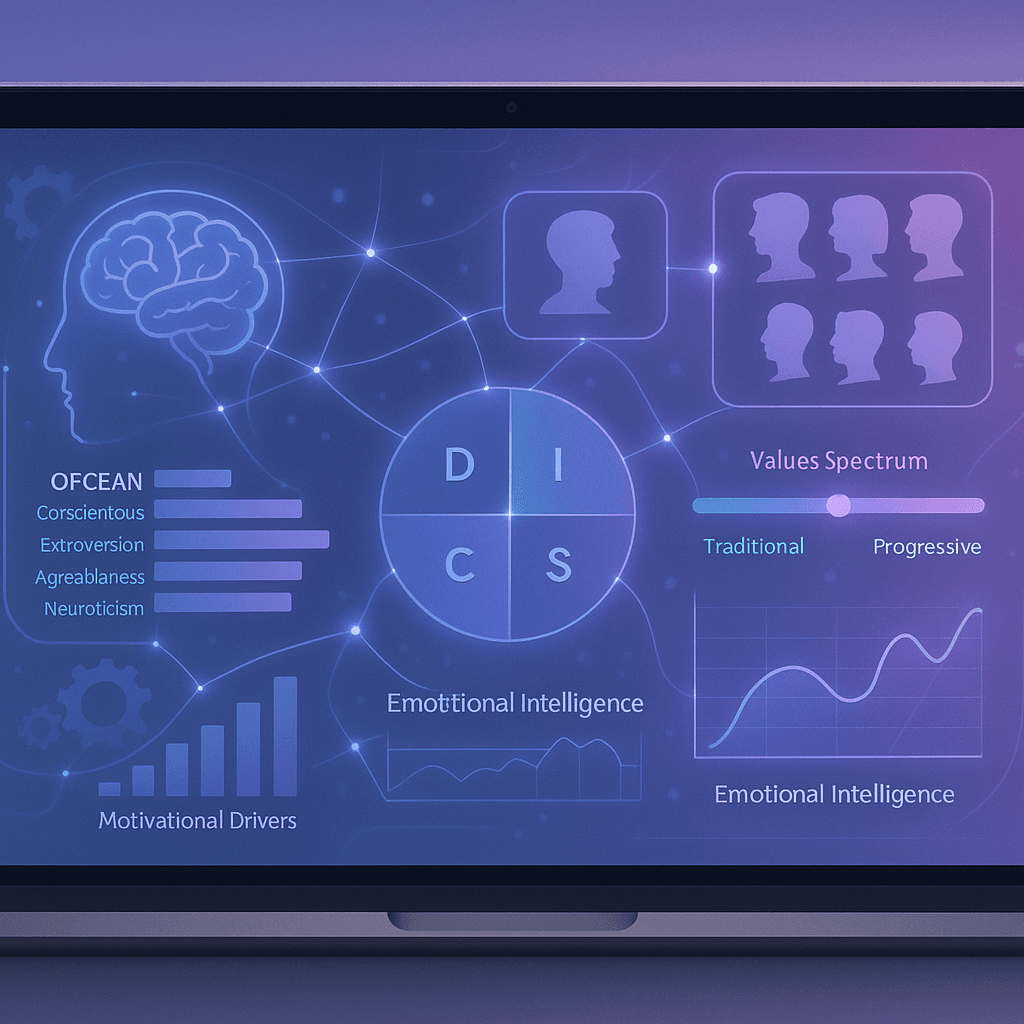
Motivation is a slippery thing.
One day it feels like a roaring engine - powerful, focused, unstoppable. The next day? It barely idles. Most people think motivation is about willpower or discipline. Honestly, that’s a shallow take. If it were just about trying harder, burnout wouldn’t exist.
The truth is more interesting. And far more personal.
lifematika.com approaches motivation differently. Instead of tossing out generic advice like "set better goals" or "wake up at 5 a.m.," it calculates a unique motivation profile based on scientific psychology. Not guesswork. Not horoscope logic. Real models, layered together.
So how does it actually work?
The Big Idea - Motivation Is Multi-Dimensional
Imagine trying to understand a city by looking at only one street. That’s what most personality quizzes do. They zoom in on one trait and pretend that explains everything.
Lifematika doesn’t do that.
It combines eight validated psychological frameworks into a single, streamlined assessment. Ninety-five questions. About fifteen minutes. No registration required. Immediate results.
Sounds simple, right?
Behind the scenes, though, it’s layered. Think of it like a psychological MRI - multiple angles, multiple signals, one coherent image at the end.
The 8 Scientific Models Behind Your Motivation Profile
This is where things get interesting.
1. OCEAN - The Big Five Personality Traits
The Big Five model measures:
- Openness
- Conscientiousness
- Extraversion
- Agreeableness
- Neuroticism
These traits influence how someone approaches goals. A highly conscientious person thrives on structure. Someone high in openness may crave novelty and creative freedom. Motivation isn’t random - it’s wired into these core tendencies.
2. Jungian Typology
Here, the platform analyzes cognitive preferences - how someone processes information and makes decisions. Introversion versus extraversion is just the surface. It digs into thinking patterns.
Why does this matter? Because motivation depends on alignment. If a person’s environment clashes with their cognitive style, energy drains fast.
3. DISC Behavioral Styles
Dominance. Influence. Steadiness. Conscientiousness.
These four dimensions explain how someone interacts and communicates. A high-D individual may feel driven by challenge and control. A high-S type might find motivation in stability and collaboration.
Different fuel. Different engine.
4. VIA Character Strengths
Strengths act like psychological leverage points. When people use their natural virtues - curiosity, leadership, perseverance - they enter flow states more easily.
Lifematika identifies those strengths so motivation becomes sustainable instead of forced.
5. Self-Determination Theory
This one is crucial.
According to research, intrinsic motivation depends on three needs:
- Autonomy
- Competence
- Relatedness
If any of these are blocked, motivation suffers. The assessment measures how strongly these drivers influence someone’s behavior.
6. Schwartz’s Theory of Basic Values
Values guide decisions quietly. Sometimes invisibly.
Security. Achievement. Benevolence. Stimulation. Power. Tradition.
When goals align with core values, motivation feels natural. When they don’t, resistance creeps in - even if the goal looks impressive on paper.
7. Emotional Intelligence
Understanding emotions isn’t soft - it’s strategic.
High emotional intelligence supports resilience. It helps people recover from setbacks instead of spiraling. Motivation isn’t just about starting; it’s about staying engaged.
8. Motivational Levels Analysis
This layer uncovers deeper behavioral drivers. Is someone motivated by growth? Recognition? Security? Impact?
Surface goals often hide deeper motives. Lifematika calculates those patterns so users can see what truly energizes them.
How the Calculation Actually Works
Here’s where most platforms get vague. Lifematika doesn’t.
After answering 95 structured questions, responses are scored across all eight models simultaneously. The system cross-references traits, behavioral styles, strengths, and value hierarchies. Instead of isolated results, it creates an integrated profile.
Think of it like layering transparent maps over each other. One map shows terrain. Another shows traffic. Another shows weather patterns. Alone, each is useful. Together, they explain the whole journey.
The result?
- A detailed personality breakdown
- Clear identification of strengths
- Behavioral tendencies
- Motivational triggers
- Practical recommendations tailored to the individual
And it’s instant. No waiting days for a PDF.
Why a Single Motivation Score Isn’t Enough
Some tests spit out one label. "You’re driven by success." Or "You value connection."
That’s neat. It’s also incomplete.
Human behavior isn’t one-dimensional. A person can crave autonomy and collaboration. They can value achievement yet prioritize stability. Lifematika calculates the balance - not just the headline trait.
If you ask me, that nuance makes all the difference.
Designed for Real Life - Not Just Theory
Here’s another detail that matters: usability.
The platform works seamlessly across devices - phone, tablet, desktop. No complicated onboarding. No registration wall. It’s free to start, and users receive immediate access to their full report.
Privacy? Fully protected. Data stays confidential and is used solely to generate the personal analysis.
Over 1,000 users have already taken the assessment. Many retake it after major life events - career changes, relocation, new goals - to track shifts in motivation patterns over time.
Because people evolve.
What Makes Lifematika Different From Typical Personality Tests?
Let’s break it down clearly.
Most Online Tests:
- Use one psychological framework
- Provide broad, generic feedback
- Focus on labels over application
- Offer minimal personalization
Lifematika’s Approach:
- Integrates eight validated methodologies
- Delivers a holistic personality analysis
- Explains motivation in context
- Provides practical, actionable recommendations
- Allows unlimited retakes for growth tracking
That last point is underrated. Retesting allows users to see how stress, maturity, or new environments influence their motivational profile.
It’s not a label. It’s a dynamic map.
Who Benefits Most From a Motivation Profile?
Short answer? Almost anyone.
But especially:
- Professionals questioning career direction
- Students choosing academic paths
- Entrepreneurs refining their drive
- Managers wanting better team alignment
- Anyone feeling stuck or burned out
Have you ever worked toward a goal that looked perfect on paper - yet felt strangely exhausting? That’s usually a misalignment between personality structure and external expectation.
Lifematika’s unique motivation profile highlights those gaps.
The Real Power - Self-Awareness With Structure
Self-discovery often sounds abstract. Vague. Almost mystical.
This platform strips away the mysticism and replaces it with measurement. Structured insights. Clear frameworks. Evidence-based psychology.
Motivation stops feeling unpredictable and starts making sense.
When users understand:
- Why they procrastinate in certain environments
- Why collaboration energizes - or drains - them
- Why recognition matters deeply - or barely at all
- Why autonomy fuels their productivity
They gain leverage.
And leverage changes decisions.
Final Thoughts on Calculating a Unique Motivation Profile
Here’s the bottom line.
Motivation isn’t about pushing harder. It’s about aligning smarter.
Lifematika calculates a motivation profile by blending eight respected psychological models into one integrated analysis. It measures traits, values, strengths, emotional patterns, and behavioral drivers - then connects the dots.
Fifteen minutes. Ninety-five questions. Instant results. No registration.
For anyone serious about self-discovery, that’s a small investment with potentially life-shifting clarity.
Because when someone understands what truly drives them, effort stops feeling forced.
It starts feeling natural.