Exploring Your Archetypal Journey with Lifematika
 Yaro Pry··5 min read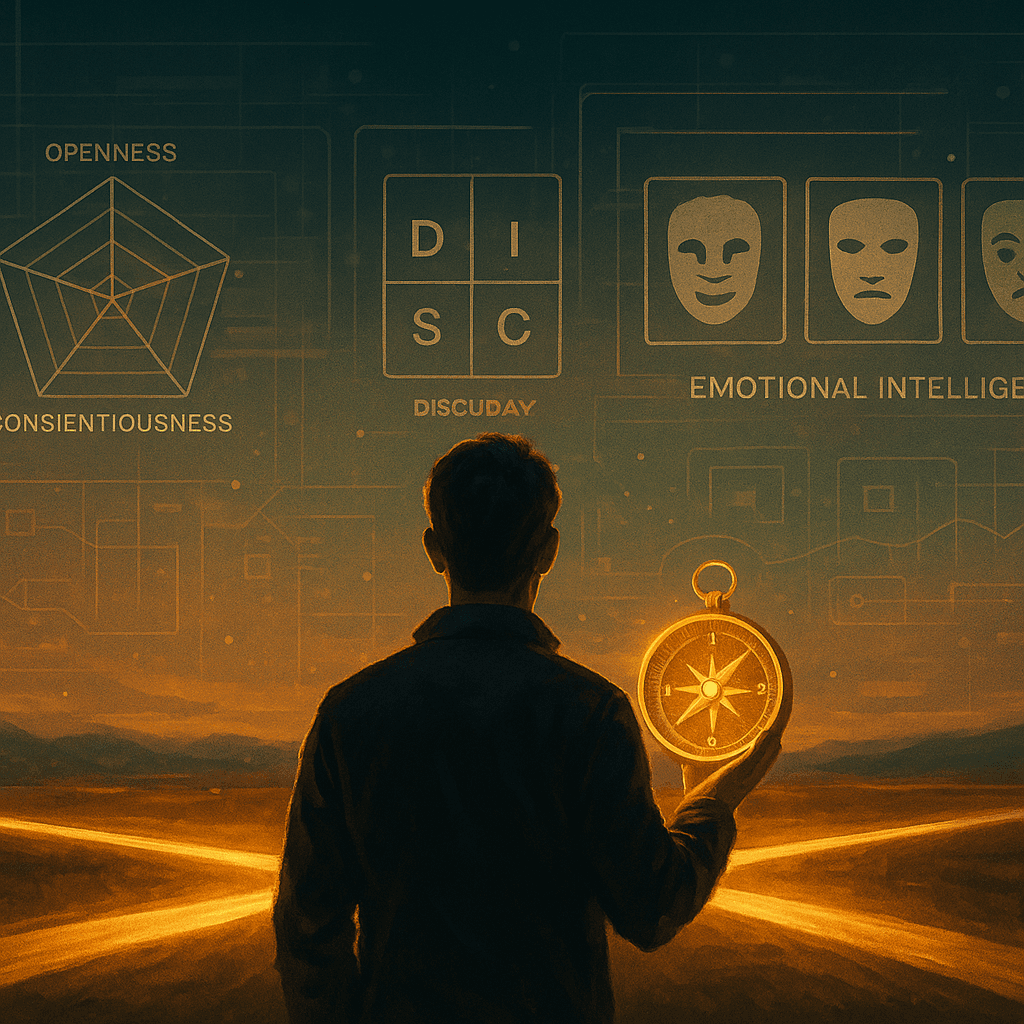
Some people drift through life like passengers in the back seat. Others grip the wheel, eyes forward, music loud. The difference often comes down to one thing - self-awareness. And here’s the uncomfortable truth: most people think they know themselves far better than they actually do. That’s where tools like lifematika.com step in. Not as a horoscope. Not as a personality gimmick. But as a structured, research-backed mirror that reflects what’s actually there - strengths, blind spots, motivations, patterns. Sounds simple, right? It’s not. Because real self-discovery rarely is.
Why Personality Testing Isn’t Just a Trend
Scroll through social media and you’ll find quizzes promising to reveal your "inner animal" or "hidden superpower." Fun? Sure. Useful? Not so much. Serious personality analysis is different. It’s more like an MRI for your behavioral wiring. Instead of vague labels, it maps how you think, decide, respond, and grow. Lifematika isn’t built on pop psychology. It combines eight established psychological frameworks into one streamlined 95-question assessment that takes about 15 minutes to complete. No registration wall. No drawn-out sign-up ritual. Immediate results. Fifteen minutes. That’s shorter than most people spend choosing a movie.
The Archetypal Journey - What It Really Means
When people hear “archetype,” they often think of myths - heroes, rebels, sages. Dramatic stuff. But archetypes aren’t costumes. They’re patterns. Deep psychological tendencies that influence how someone leads, loves, works, reacts under pressure, and even dreams about the future. An archetypal journey is simply the process of recognizing those patterns and choosing how to use them. Think of it like discovering the operating system running quietly in the background of your decisions. Once you see it, you can update it.
Inside Lifematika’s Scientific Framework
What makes Lifematika different isn’t flashy design or bold claims. It’s integration. Instead of relying on one model, it pulls from eight respected methodologies, including:
1. OCEAN - The Big Five
- Openness
- Conscientiousness
- Extraversion
- Agreeableness
- Neuroticism
These traits form the backbone of modern personality science. They reveal emotional stability, curiosity, organization habits, and social tendencies.
2. Jungian Typology
This dives into cognitive functions and the introversion-extroversion spectrum. It’s not about being shy or loud. It’s about where mental energy flows.
3. DISC Behavioral Model
DISC maps communication and action styles:
- Dominance
- Influence
- Steadiness
- Conscientiousness
Ever wonder why some people charge into conflict while others prefer harmony? DISC explains that dynamic clearly.
4. VIA Character Strengths
Instead of focusing only on flaws, this highlights virtues - creativity, bravery, kindness, leadership. Strength-based awareness changes how people approach growth.
5. Self-Determination Theory
This measures intrinsic motivation. Are actions driven by autonomy? Mastery? Belonging?
6. Schwartz’s Theory of Basic Values
Values guide choices more than logic does. Security, freedom, achievement, tradition - which ones quietly steer decisions?
7. Emotional Intelligence
Understanding emotions isn’t optional anymore. It’s a core life skill.
8. Motivational Levels
This uncovers deeper drivers - the "why" behind consistent behaviors. Alone, each model is useful. Together, they create a multi-dimensional portrait. Like switching from a black-and-white sketch to full color.
What Makes the Lifematika Assessment Different?
Here’s what stands out:
- It’s efficient. 95 questions. About 15 minutes.
- It’s free to start. No paywall at the beginning.
- It’s private. Data stays confidential and is used only to generate the personal report.
- It’s instant. Results appear immediately after completion.
- It’s repeatable. Users can retake it after major life events.
That last point matters more than most people realize. Personality isn’t frozen in time. Career shifts, relationships, stress, growth - they all reshape aspects of behavior. Retesting allows someone to track evolution instead of guessing.
A Micro-Story - The Turning Point
Consider Daniel, a mid-level manager who believed he was “just bad at leadership.” Team meetings felt chaotic. Feedback sessions drained him. Promotions passed him by. After completing the Lifematika assessment, he discovered something unexpected: high analytical strength, strong conscientiousness, but low dominance and moderate emotional sensitivity. He wasn’t weak. He was structured and reflective in a fast, aggressive corporate culture. Instead of forcing himself into a loud, dominant persona, he adjusted strategy. He leaned into preparation, clarity, and one-on-one communication. Within months, team productivity improved. The archetype didn’t change. The awareness did.
Why Self-Discovery Impacts Real Decisions
Personality insights aren’t abstract theory. They influence:
- Career direction
- Relationship compatibility
- Conflict resolution
- Stress management
- Goal setting
Have you ever accepted a job that looked perfect on paper but felt exhausting in reality? That’s often a mismatch between role demands and personality structure. When someone understands their motivational core and emotional patterns, decisions become cleaner. Less second-guessing. Fewer detours. It’s like using a compass instead of wandering through fog.
The Role of Privacy in Modern Psychometrics
Let’s address the elephant in the room. People are skeptical about sharing psychological data. And honestly, they should be. Lifematika emphasizes total confidentiality. User information is protected and used solely to generate the personal analytical report. No unnecessary exposure. No intrusive follow-up. In a digital world where data feels like currency, that commitment matters.
Designed for Real Life - Any Device, Any Moment
Self-reflection doesn’t wait for perfect timing. Sometimes curiosity strikes during a lunch break. Sometimes after a difficult conversation. The platform works seamlessly on mobile, tablet, and desktop devices. Fully responsive. No technical gymnastics required. More than 1,000 users have already explored their psychological profiles through Lifematika, and that number continues to grow. Because once people experience structured insight, they rarely want to go back to guessing.
How to Approach the Assessment for Best Results
Quick advice - don’t rush. To get meaningful insights:
- Answer honestly, not aspirationally.
- Choose instinctive responses instead of overthinking.
- Complete it in one sitting if possible.
- Revisit it after major life changes.
Treat it like a conversation with yourself. Not a performance.
Is Lifematika Right for Everyone?
Probably not. If someone wants a playful label to share at a party, lighter quizzes exist. But for those genuinely curious about behavioral patterns, emotional intelligence, intrinsic motivation, and values alignment - this platform offers something deeper. Here’s a hot take: self-knowledge is a competitive advantage. In careers. In relationships. In leadership. In personal growth. Those who understand their tendencies waste less energy fighting themselves. And that changes everything.
Exploring Your Archetypal Journey - Step by Step
The journey doesn’t require dramatic reinvention. It starts with awareness. 1. Take the assessment on lifematika.com. 2. Review the detailed report carefully. 3. Identify patterns that repeat across models. 4. Reflect on how those traits show up in daily life. 5. Adjust strategies, not identity. Small shifts compound over time. A more aligned career choice. Better communication habits. Clearer boundaries. Improved emotional regulation. It’s not magic. It’s insight applied consistently.
The Bigger Picture
Self-discovery isn’t about labeling oneself permanently. It’s about recognizing starting points. An archetype is a foundation, not a cage. Lifematika offers a structured way to explore that foundation using validated psychological science, immediate analytical feedback, and total privacy. For those ready to look inward with curiosity instead of judgment, it becomes more than a test. It becomes a map. And maps matter. Because wandering is romantic in poetry. In real life, direction wins. So the question becomes - what might change if someone truly understood the patterns shaping their decisions? Fifteen minutes could be the beginning of that answer.